
This post contains affiliate links, which means I earn a tiny commission when you use my links at no cost to you.
Eclipses, those captivating celestial events, have fascinated humanity for millennia. But what exactly are eclipses? Simply put, an eclipse occurs when one celestial body moves into the shadow of another. The two primary types of eclipses are solar eclipses and lunar eclipses.
What is an Eclipse?
A solar eclipse transpires when the Moon passes between the Earth and the Sun, obscuring the Sun’s light either partially or entirely. Conversely, a lunar eclipse unfolds when the Earth comes between the Sun and the Moon, causing the Earth’s shadow to fall upon the lunar surface.
Eclipses are not mere astronomical phenomena; they hold profound cultural and scientific significance. Throughout history, societies have interpreted eclipses as omens or portents, while scientists leverage these events to study celestial mechanics and cosmic phenomena.
The Mechanism of Eclipses
Eclipses occur due to the precise alignment of the Sun, Earth, and Moon. During a solar eclipse, the Moon’s shadow casts onto the Earth, creating a fleeting moment of darkness in the daytime sky. Conversely, during a lunar eclipse, the Earth’s shadow envelops the Moon, often imbuing it with a reddish hue, earning it the moniker “blood moon.”
Eclipses offer a glimpse into the intricate dance of celestial bodies and serve as a reminder of our place in the cosmos.
Now, let’s look deeper into the educational value of eclipses and how they inspire curiosity and learning.
Educational Importance of Eclipses
Eclipses are not only mesmerizing celestial spectacles but also invaluable educational opportunities. These cosmic events captivate the imagination and provide a gateway to understanding fundamental concepts in astronomy and beyond.
Inspiring Curiosity and Learning
At the heart of eclipse education lies the power to inspire. Witnessing the cosmic ballet of a solar or lunar eclipse sparks curiosity and encourages exploration. Students of all ages are drawn to these phenomena, eager to understand the mechanisms behind them.
Hands-On Learning
Eclipse events offer a hands-on approach to learning, allowing students to engage directly with astronomical concepts. By observing and studying eclipses, learners gain a deeper appreciation for the dynamic interactions between celestial bodies. This experiential learning fosters a sense of wonder and curiosity that extends beyond the classroom.
Interdisciplinary Exploration
Eclipses transcend traditional disciplinary boundaries, inviting exploration across a range of academic fields. Astronomy, physics, geography, and cultural studies converge in the study of eclipses, offering a rich tapestry of interdisciplinary learning opportunities.
Cultural Significance
Throughout history, eclipses have held profound cultural significance for civilizations around the world. From ancient myths and folklore to modern-day celebrations, eclipses have left an indelible mark on human culture. Exploring the cultural dimensions of eclipses enhances students’ understanding of diverse societies and their interpretations of celestial events.
Eclipse Viewing Safety
While the allure of witnessing a solar eclipse firsthand is undeniable, it’s essential to prioritize safety when observing these celestial events. Without proper precautions, staring directly at the Sun during an eclipse can cause permanent eye damage, including solar retinopathy.
Importance of Safe Viewing Practices
Safe viewing practices are paramount to protecting your eyesight during a solar eclipse. The Sun’s intense radiation can overwhelm the retina, leading to irreversible damage. Therefore, it’s crucial to employ safe viewing methods to enjoy the spectacle without risking harm.
Guidelines for Safe Observation
Certified solar viewing glasses offer the safest way to observe a solar eclipse. These specialized glasses feature solar filters that block harmful ultraviolet, visible, and infrared radiation while allowing safe viewing of the Sun.

- Solar eclipse glasses Approved 2024, Safe Solar Observation – These…
- Meets Industry Standards – Our CE and ISO certified safe shades for direct…
- A Comfy Fit – These certified sunglasses for eclipse are suitable for teens…
: A simple and inexpensive alternative to solar viewing glasses is a pinhole projector. By projecting the image of the Sun onto a surface, such as a piece of cardboard, viewers can safely observe the eclipse indirectly.

- A Gift for Children: The portable projector could make a great Christmas…
- Compact and Portable: The video projector is the similar size as a…
- Protecting Your Children’s Eyes: With the help of the phone projector, you…
Telescopes with Solar Filters:
If using a telescope to observe the Sun, always ensure it is equipped with a solar filter specifically designed for solar observation. Regular telescopes are not suitable for solar viewing and can cause severe eye damage.
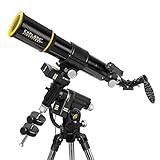
- Black carbon fiber wrapped FirstLight 80 mm telescope
- 80mm aperture will reveal impressive lunar details ranging from craters to…
- Model comes with a solar filter, 25mm Plössl eyepiece, a 90° diagonal for…
Common Misconceptions
Despite widespread awareness of the dangers of staring at the Sun, misconceptions about eclipse viewing safety persist. Some individuals mistakenly believe that sunglasses or homemade filters offer adequate protection. However, these makeshift solutions do not provide sufficient shielding from solar radiation and should be avoided.
Ensuring a Safe Viewing Experience
By following these safety guidelines, eclipse enthusiasts can enjoy the awe-inspiring beauty of a solar eclipse without compromising their eye health. Remember, the fleeting moments of an eclipse are not worth the risk of permanent vision loss. Prioritize safety and savor the wonder of the cosmos responsibly.
Eclipse Educational Freebies
As the allure of eclipses continues to captivate minds around the globe, educators and enthusiasts alike seek to harness this fascination to foster learning and discovery. Fortunately, an array of eclipse educational freebies are readily available online, offering a wealth of resources to enrich classroom instruction and inspire exploration.
Unlocking Astronomy’s Wonders
Eclipse educational freebies encompass a diverse range of materials, including lesson plans, activities, worksheets, videos, and interactive simulations. These resources cater to learners of all ages and levels of expertise, making astronomy accessible and engaging for everyone.
Reputable Websites and Organizations
Numerous reputable websites and organizations provide free eclipse educational materials tailored to various audiences. Platforms such as NASA’s Eclipse Web Site, the American Astronomical Society, and educational publishers offer comprehensive collections of resources designed to enhance understanding and appreciation of eclipses.
Curated List of Freebies
Let’s take a closer look at some of the eclipse educational freebies available:
Lesson Plans: Detailed lesson plans provide educators with structured activities and learning objectives for teaching about eclipses. These plans often include background information, hands-on activities, and assessment tools to gauge student understanding.
Activities and Worksheets: Engaging activities and worksheets offer interactive learning experiences for students. From eclipse modeling exercises to eclipse viewing safety quizzes, these resources reinforce key concepts and encourage active participation.
Videos and Multimedia: Dynamic videos and multimedia presentations bring eclipses to life, offering visual explanations and real-world examples. Virtual simulations and 3D animations provide immersive experiences that deepen understanding and spark curiosity.
Interactive Simulations: Online interactive simulations allow users to explore eclipses in real-time, manipulating variables and observing outcomes. These interactive tools facilitate inquiry-based learning and encourage experimentation.
Case Studies and Success Stories
Across the globe, educators have successfully integrated eclipse educational freebies into their teaching practices, yielding positive outcomes and inspiring lifelong learning. Case studies and success stories highlight the impact of these resources in classrooms, museums, and community settings, underscoring their value in promoting scientific literacy and curiosity.
Harnessing the Power of Free Resources
By leveraging eclipse educational freebies, educators and enthusiasts can unlock the wonders of astronomy and inspire the next generation of scientists and stargazers. Whether in the classroom, at home, or in informal learning environments, these resources offer unparalleled opportunities for exploration and discovery.
Incorporating Eclipse Education in the Classroom
Eclipses present unique opportunities for educators to engage students in the wonders of astronomy and foster a deeper understanding of celestial phenomena. By integrating eclipse education into the classroom curriculum, teachers can captivate students’ curiosity and inspire a lifelong passion for science.
Engaging Students with Eclipse Activities
One of the most effective ways to incorporate eclipse education in the classroom is through hands-on activities and interactive demonstrations. Here are some ideas to engage students in eclipse-related learning:
Solar Eclipse Modeling
Guide students through a solar eclipse modeling activity using simple materials such as balls representing the Sun, Earth, and Moon. By manipulating the positions of the objects, students can visualize the alignment that produces a solar eclipse and understand the mechanics behind this phenomenon.
Eclipse Viewing Safety Workshop
Organize a workshop on eclipse viewing safety, where students learn about the importance of protecting their eyes during solar eclipses. Provide demonstrations of safe viewing methods using solar viewing glasses and pinhole projectors, and reinforce key safety guidelines.
Eclipse Art and Creativity
Encourage students to express their understanding of eclipses through artistic projects. Whether through drawing, painting, or crafting, students can explore the visual aspects of eclipses and convey their interpretations creatively.
Integrating Eclipse Themes Across Subjects
Eclipse education lends itself to interdisciplinary learning, allowing teachers to incorporate eclipse themes across various subjects. Here’s how educators can infuse eclipse content into different areas of study:
Science:
- Explore the physics of eclipses, including the principles of light and shadow.
- Investigate the astronomical phenomena that influence eclipses, such as orbital mechanics and celestial geometry.
Mathematics:
- Calculate the frequency and duration of eclipses using mathematical formulas.
- Analyze data related to past and future eclipses, including eclipse paths and timings.
Language Arts:
- Read and analyze literature and mythology related to eclipses from different cultures.
- Write creative stories or poems inspired by the themes of eclipses and celestial events.
Leveraging Technology for Virtual Learning
In an era of digital learning, technology plays a vital role in facilitating eclipse education. Teachers can leverage online resources, virtual simulations, and interactive multimedia to enhance student engagement and understanding.
Virtual Field Trips:
Take students on virtual field trips to observatories, planetariums, or research institutions that specialize in astronomy and eclipses. Virtual tours and interactive exhibits provide immersive learning experiences that complement classroom instruction.
Online Collaborative Projects:
Engage students in collaborative projects with peers from around the world to study eclipses from different perspectives. Online platforms and social media networks enable students to share their observations, research findings, and creative works with a global audience.
Remote Observing Opportunities:
Partner with astronomers or citizen science projects that offer remote observing opportunities during eclipses. Students can access telescopes and imaging equipment remotely to observe eclipses in real-time and contribute to scientific research.
Cultivating Curiosity and Scientific Inquiry
Above all, eclipse education should inspire curiosity and scientific inquiry among students. Encourage students to ask questions, make observations, and seek answers through exploration and experimentation. By nurturing a spirit of curiosity, educators can instill a lifelong love of learning and discovery in their students.
In conclusion, the journey through the realm of eclipse education has illuminated the profound impact of these celestial phenomena on our understanding of the universe and our place within it. From the captivating spectacle of a solar eclipse to the timeless allure of a lunar eclipse, these cosmic events have inspired wonder and curiosity in people across cultures and generations.
In the end, eclipses serve as reminders of the beauty and complexity of the universe, inviting us to gaze skyward with wonder and curiosity. Let us seize the opportunity to explore, learn, and marvel at the celestial wonders that await us in the ever-expanding cosmos.
This website is a participant in the Amazon Services LLC Associates Program, an affiliate advertising program designed to provide a means for us to earn fees by linking to Amazon.com and affiliated sites.


This is such a detailed guide on eclipses and their cultural significance. Thanks for putting this awesome resource together!