
This website is a participant in the Amazon Services LLC Associates Program, an affiliate advertising program designed to provide a means for us to earn fees by linking to Amazon.com and affiliated sites.
Bulletin board tiles are individual decorative pieces or modular sections used to create attractive, organized, and customizable bulletin board displays in classrooms, offices, libraries, and other learning spaces. They offer a flexible alternative to traditional bulletin board coverings because they allow you to combine different colors, patterns, textures, and designs to create visually appealing displays.
Whether you are decorating a classroom for a new school year, creating an interactive learning wall, or refreshing an office noticeboard, bulletin board tiles can make the process easier and more creative. They are available in different materials, including felt, cork, fabric, foam, and self-adhesive decorative options. Some designs also allow individual tiles to be rearranged or replaced without redesigning the entire board. In this guide, you will discover different types of bulletin board tiles, creative decorating ideas, material choices, and practical tips for creating beautiful displays that are both functional and long-lasting
Best for Creative Bulletin Board Decorating
The right bulletin board tiles can transform an ordinary classroom or office wall into an attractive, functional display. Whether you prefer traditional square tiles, colorful felt panels, or geometric designs, choosing versatile materials makes it easier to create customized decorations.
Here are three products worth considering for bulletin board decorating.
Fluxynara Felt Bulletin Board Tiles
Best overall
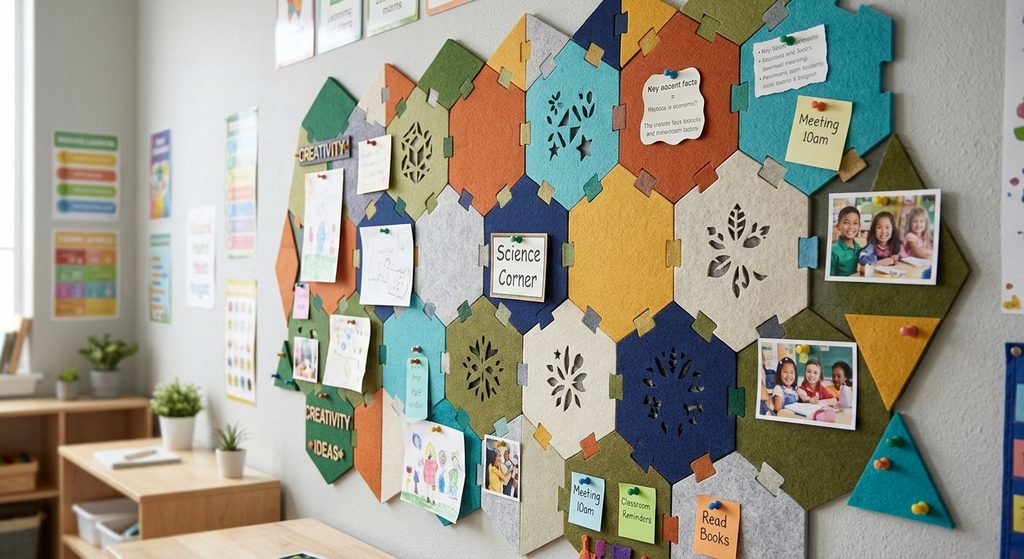
These modular felt tiles are ideal for creating large, customized bulletin board displays. Their soft texture and neutral colors suit classrooms, offices, and creative learning spaces.
Why we picked it?
Their modular design allows flexible arrangements, while the felt surface creates a soft appearance, supports creative displays, and offers a practical alternative to traditional bulletin board coverings.
DECORITA Felt Bulletin Board Tiles
Best for modern designs
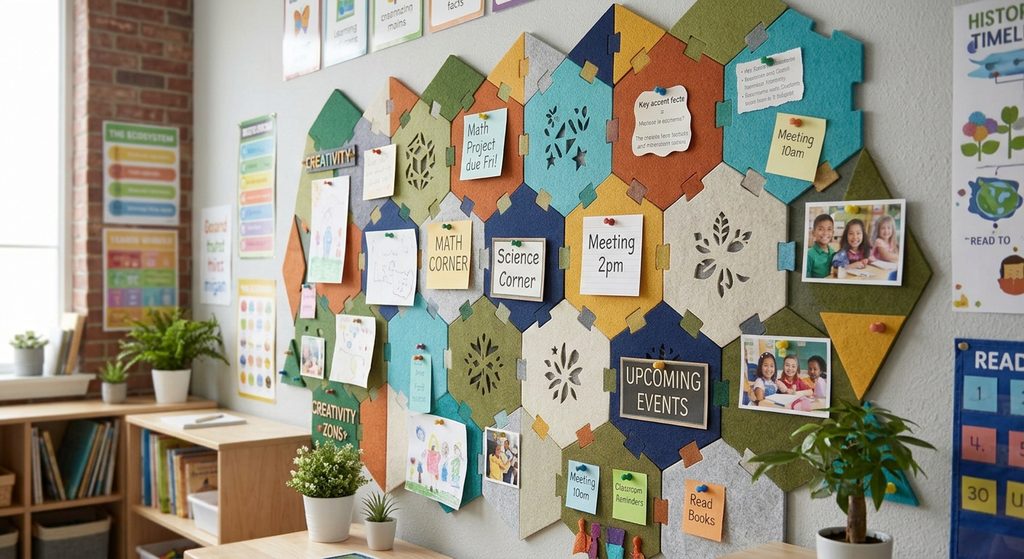
These decorative felt tiles are suitable for creating stylish bulletin boards with a contemporary appearance. Their gray marble-inspired finish works particularly well in modern classrooms and home offices.
Why we picked it ?
Their decorative finish adds visual interest without overwhelming classroom displays, while individual tiles make it easier to create organized layouts, showcase student work, and refresh decorations.
Best for geometric displays
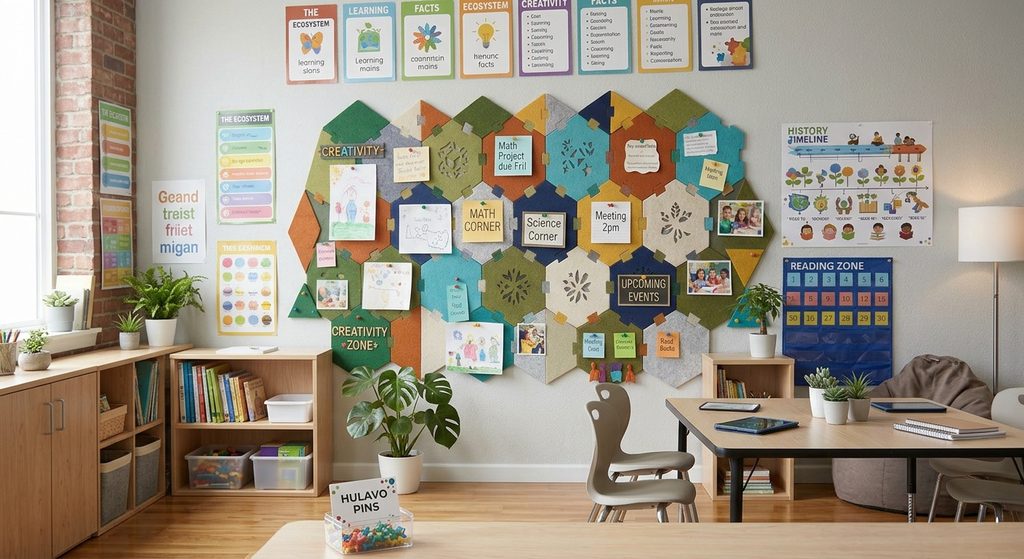
These hexagon-shaped felt tiles offer an alternative to conventional square bulletin board panels. They are useful for creating honeycomb patterns, colorful classroom walls, and creative decorative arrangements.
Why we picked it?
Their distinctive hexagonal shapes encourage creative layouts, making them excellent for interactive classroom walls, colorful learning displays, themed decorations, and visually engaging educational environments.
Product selection references: Pook A Pages+2
Related Products for Bulletin Board Decorating
In addition to bulletin board tiles, consider these complementary supplies to make your displays more attractive and functional:
- Colored cardstock: Useful for creating letters, shapes, borders, and decorative backgrounds.
- Felt sheets: Perfect for making flowers, animals, seasonal decorations, and layered designs.
- Decorative border rolls: Help frame bulletin boards and give them a polished appearance.
- Adhesive mounting strips: Useful for attaching lightweight tiles and decorations to suitable walls.
- Push pins and thumbtacks: Help secure student artwork, photographs, schedules, and classroom announcements.
- Foam letters: Make bulletin board headings and educational messages more noticeable.
- Decorative stickers: Add finishing touches to themed displays without requiring complicated crafting techniques.
Choosing the right products: Consider your available wall space, preferred design, installation method, and how frequently you plan to change your bulletin board. For busy classrooms, prioritize durable materials and secure mounting options.
What Are Bulletin Board Tiles and How Do They Work?
Bulletin board tiles are individual panels or decorative sections designed to cover, organize, or enhance a bulletin board surface. They come in different shapes, sizes, colors, and materials, allowing users to create customized displays without relying on one large piece of traditional bulletin board fabric or cork.
Unlike conventional bulletin boards, which often feature a single continuous surface, tiled bulletin boards use separate sections that can be arranged in different patterns. Depending on the product, these tiles may have adhesive backing, mounting strips, or other installation systems that allow them to attach to walls or existing boards.
How Bulletin Board Tiles Work
Most bulletin board tiles work by creating a designated surface for displaying information, artwork, photographs, and educational materials. Some varieties also provide sound-absorbing properties, particularly those made from acoustic felt or similar materials.
Here is how they are commonly used:
- Surface preparation: Clean and dry the wall or existing bulletin board before installation.
- Layout planning: Arrange the tiles on the floor or use temporary markings to determine the desired pattern.
- Tile installation: Attach each section using its recommended adhesive, mounting strips, pins, or other suitable hardware.
- Decoration: Add headings, borders, photographs, letters, and educational materials.
- Maintenance: Remove dust and replace damaged or outdated tiles when necessary.
Popular Types of Bulletin Board Tiles
- Felt tiles: Soft, colorful panels suitable for classrooms and creative displays.
- Cork tiles: Traditional surfaces that allow users to attach notices using push pins.
- Foam tiles: Lightweight options available in different colors and shapes.
- Fabric-covered tiles: Decorative panels that provide texture and a polished appearance.
- Acoustic tiles: Designed primarily to help reduce sound reflections in rooms.
The best choice depends on your decorating goals, installation requirements, and intended use.
Different Types of Bulletin Board Tiles and Their Uses
Bulletin board tiles are available in several materials and designs, making it easy to find an option for different decorating styles and functional needs. Some tiles are designed primarily for displaying information, while others provide decorative appeal, sound absorption, or interactive learning opportunities.
Understanding the available options helps you select tiles that match your classroom, office, or home decorating project.
Felt Bulletin Board Tiles
Felt bulletin board tiles are popular because they offer a soft texture and come in various colors. They work particularly well for classroom displays, creative learning walls, and office decoration.
You can combine different shades to create geometric patterns, colorful backgrounds, or themed displays. Some felt tiles also offer sound-absorbing benefits, making them useful in busy learning environments.
Cork Bulletin Board Tiles
Cork tiles provide a traditional bulletin board surface that allows you to attach papers, photographs, reminders, and announcements using push pins or thumbtacks.
They are especially useful in classrooms, offices, study rooms, and home workspaces. Their natural brown appearance also complements rustic and minimalist decorating styles.
Foam Bulletin Board Tiles
Foam bulletin board tiles are lightweight and available in different shapes, thicknesses, and colors. They are suitable for decorative classroom walls, children’s activity areas, and creative displays.
Some foam tiles feature geometric patterns, while others have textured surfaces that add dimension to a wall.
Fabric-Covered Bulletin Board Tiles
Fabric-covered tiles provide a more polished appearance and are available in various textures and colors. Depending on their construction, they can be used for displaying notices, photographs, and decorative materials.
They are particularly suitable for offices, libraries, meeting rooms, and stylish classroom interiors.
Choosing the right type: Consider whether you need a pin-friendly surface, decorative wall covering, lightweight material, or acoustic benefits before purchasing bulletin board tiles.
Creative Bulletin Board Tile Ideas for Classrooms and Offices
Bulletin board tiles offer endless decorating possibilities because they can be arranged into different patterns, color combinations, and themed displays. Whether you are designing an educational wall for students or an organized noticeboard for employees, creative tile arrangements can make your space more attractive and engaging.
Here are some ideas to inspire your next bulletin board project.
Colorful Rainbow Bulletin Board
Combine red, orange, yellow, green, blue, and purple tiles to create a cheerful rainbow-inspired display. This design works particularly well in preschool and elementary classrooms.
You can add cloud decorations, student names, motivational messages, and colorful paper flowers to complete the theme.
Geometric Pattern Bulletin Board
Create an attractive wall using square, triangular, or hexagonal bulletin board tiles. Arrange contrasting colors into honeycomb patterns, diagonal lines, or repeating shapes.
This idea works beautifully in modern classrooms, libraries, creative studios, and office environments.
Seasonal Bulletin Board Display
Use different tile colors to reflect the changing seasons. For example, choose orange, brown, and yellow tiles for autumn, pastel colors for spring, and blue and white for winter.
Add seasonal illustrations, themed headings, and student artwork to make the display more interesting.
Interactive Learning Wall
Turn your bulletin board into an interactive educational space using colorful tiles as individual learning sections. Each section can cover a different subject, such as mathematics, vocabulary, science, or reading.
You can also include removable flashcards, question prompts, educational charts, and student activities.
Professional Office Noticeboard
Neutral-colored tiles in gray, beige, navy, or white create a professional appearance. Divide the display into sections for announcements, weekly schedules, employee achievements, and important reminders.
This arrangement helps keep workplace information organized while improving the appearance of shared office spaces.
Creative decorating tip: Combine two or three complementary colors rather than using too many competing shades. This creates a balanced appearance and makes headings, photographs, and displayed information easier to notice.
How to Install, Arrange, and Maintain Bulletin Board Tiles
Installing bulletin board tiles is a relatively simple decorating project when you select the appropriate materials and prepare the surface properly. Whether you are creating a classroom display, office noticeboard, or decorative learning wall, careful installation helps your tiles remain attractive and securely attached.
Step 1: Prepare the Installation Surface
Start by cleaning the wall or existing bulletin board to remove dust, grease, and loose materials. Allow the surface to dry completely before installing the tiles.
Check the manufacturer’s instructions to determine whether the tiles are suitable for painted walls, wood, concrete, or existing board surfaces.
Step 2: Plan Your Tile Arrangement
Before attaching anything, arrange your tiles to determine the design you want.
Consider these popular arrangements:
- Grid pattern: Creates a neat and organized appearance.
- Checkerboard pattern: Combines contrasting colors for visual interest.
- Geometric pattern: Uses different shapes to create modern displays.
- Color gradient: Arranges tiles from light to dark shades.
- Mixed pattern: Combines different colors and textures creatively.
Step 3: Attach the Tiles Securely
Use the recommended installation method for your particular product. Some bulletin board tiles have adhesive backing, while others require mounting strips, screws, or suitable wall fasteners.
Avoid using excessive adhesive because it may damage painted surfaces or make future removal difficult.
Step 4: Add Decorative Elements
Once the tiles are installed, personalize your bulletin board with:
- Decorative borders and colorful paper.
- Foam letters and educational headings.
- Photographs and student artwork.
- Seasonal illustrations and themed decorations.
- Important announcements and classroom schedules.
Step 5: Maintain Your Bulletin Board Tiles
Regular maintenance keeps your display looking fresh. Remove dust using a cleaning method recommended by the manufacturer, replace damaged sections, and avoid exposing unsuitable materials to excessive moisture.
For classrooms, periodically update displayed information and remove outdated announcements.
Important tip: Always check the tile manufacturer’s installation and cleaning recommendations. Not every felt, foam, cork, or fabric tile is designed for the same mounting method or cleaning products.
Conclusion
Bulletin board tiles provide a creative and practical way to transform ordinary walls into attractive, organized, and functional displays. With options such as felt, cork, foam, and fabric-covered tiles, you can customize your space according to your decorating preferences and everyday needs.
Whether you are creating a colorful classroom learning wall, an interactive educational display, or a professional office noticeboard, choosing the right materials and arrangement makes a significant difference. Remember to consider durability, installation methods, maintenance requirements, and available space before purchasing.
Start with a simple design, experiment with different colors and patterns, and add decorative elements that reflect your theme. With the right bulletin board tiles, even a small wall can become an inspiring and useful display.
Frequently Asked Questions About Bulletin Board Tiles
What are bulletin board tiles used for?
Bulletin board tiles are used to create decorative and functional wall displays in classrooms, offices, libraries, and homes. They provide surfaces for displaying photographs, announcements, educational materials, artwork, and reminders. Depending on their materials, some tiles also offer sound-absorbing benefits.
What is the best material for bulletin board tiles?
The best material depends on your intended use. Felt tiles are excellent for colorful decorative displays, cork tiles are suitable for pinning papers and photographs, and foam tiles work well for lightweight decorative arrangements. Fabric-covered tiles are another attractive option for offices and learning spaces.
Are bulletin board tiles reusable?
Yes, many bulletin board tiles are reusable, particularly modular designs that can be removed and rearranged. However, reusability depends on the installation method and product construction. Adhesive-backed tiles may lose their sticking ability after removal.
Can bulletin board tiles help reduce noise?
Some felt and acoustic bulletin board tiles can help absorb sound reflections and reduce echo in indoor spaces. However, their effectiveness depends on material thickness, surface coverage, and acoustic design. Standard decorative tiles should not automatically be considered soundproofing materials.
How do you attach bulletin board tiles to a wall?
You can attach bulletin board tiles using adhesive backing, mounting strips, screws, or other manufacturer-approved fasteners. Always prepare the wall, check material compatibility, and follow installation instructions to achieve a secure finish.
Can you use bulletin board tiles in a classroom?
Absolutely! Bulletin board tiles are useful for creating educational displays, displaying student achievements, organizing classroom announcements, and designing interactive learning walls. Colorful tiles can also make classroom environments more welcoming and engaging.
How do you clean bulletin board tiles?
Cleaning depends on the material. Felt and fabric tiles may require gentle vacuuming or spot cleaning, while cork tiles can usually be cleaned with a dry cloth. Always follow the manufacturer’s care instructions and avoid excessive moisture.
8. Where can you buy bulletin board tiles?
You can find bulletin board tiles through online marketplaces, educational supply stores, craft shops, and home improvement retailers. Popular places to explore include Amazon, Walmart, Michaels, and specialist classroom decoration suppliers. Compare tile dimensions, materials, installation requirements, and customer reviews before purchasing.
This website is a participant in the Amazon Services LLC Associates Program, an affiliate advertising program designed to provide a means for us to earn fees by linking to Amazon.com and affiliated sites.