
This website is a participant in the Amazon Services LLC Associates Program, an affiliate advertising program designed to provide a means for us to earn fees by linking to Amazon.com and affiliated sites.
Cleaning an outdoor projector screen properly involves removing loose dust, washing the surface with a mild cleaning solution, wiping gently with a soft microfiber cloth or sponge, rinsing with clean water when appropriate, and allowing the screen to air-dry completely before storing or using it again. Following the correct cleaning method helps preserve image quality, prevents permanent stains, and extends the life of your projector screen.
Whether you enjoy backyard movie nights, outdoor sports watch parties, or presentations under the stars, a clean projector screen makes a noticeable difference. Dirt, pollen, bird droppings, tree sap, insects, and moisture can gradually reduce brightness and create distracting marks that affect your viewing experience. Fortunately, most outdoor projector screens can be cleaned safely using simple household supplies, provided you avoid harsh chemicals and abrasive tools.
This comprehensive guide explains exactly how to clean different types of outdoor projector screens, the products you’ll need, common mistakes to avoid, and practical maintenance tips to keep your screen looking nearly new for years.
Best Products for Cleaning Outdoor Projector Screens
Using the right cleaning tools is just as important as following the correct cleaning method. The products below are gentle on projector screen materials and help remove dirt, dust, and stains without compromising image quality.
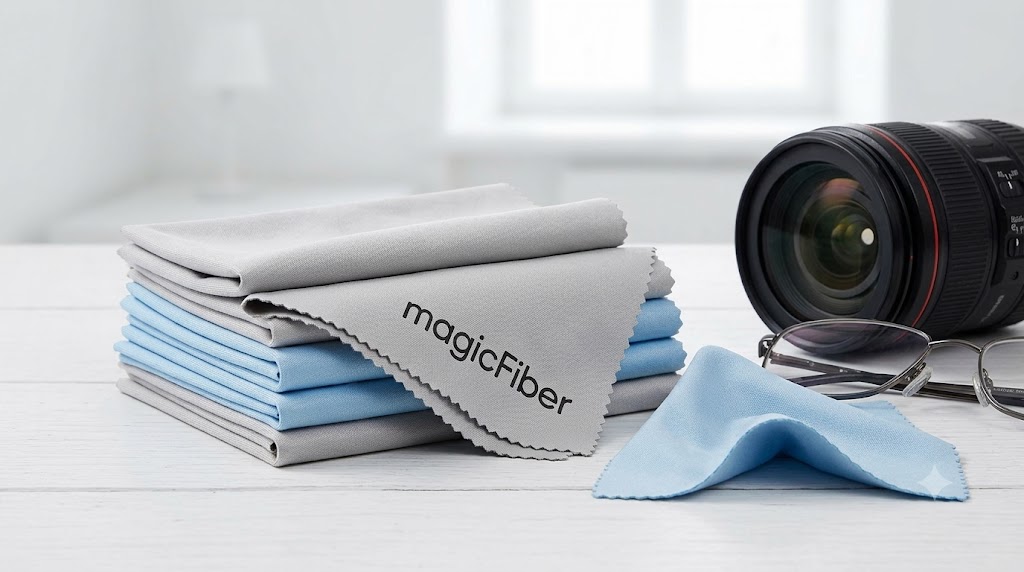
MagicFiber Premium Microfiber Cleaning Cloths
MagicFiber Premium Microfiber Cleaning Cloths are an excellent choice for routine projector screen maintenance. Their ultra-soft, lint-free fibers effectively lift dust, fingerprints, pollen, and light stains without scratching delicate screen surfaces. Because they are washable and reusable, they offer a cost-effective and eco-friendly solution for keeping your outdoor projector screen clean.
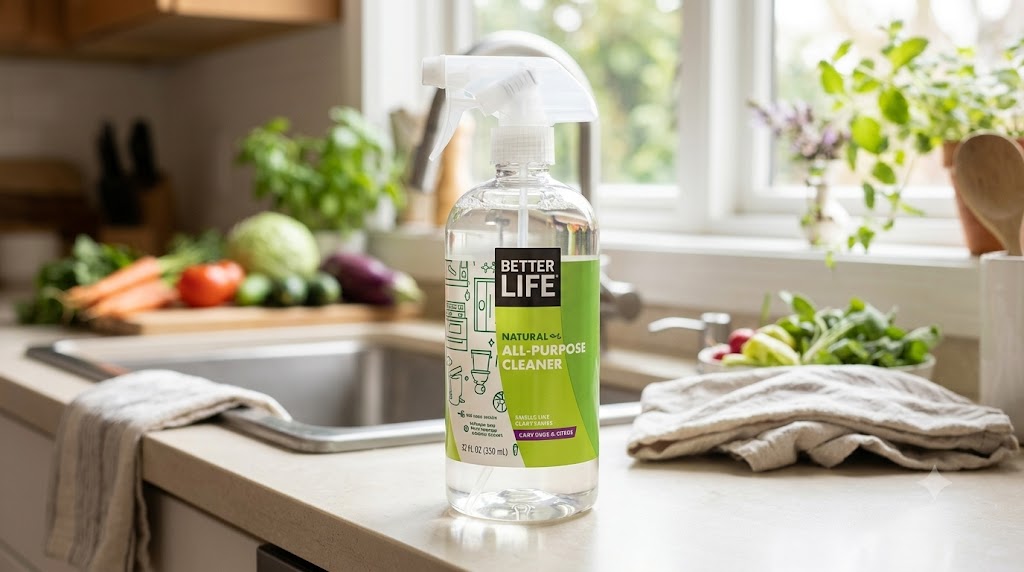
Better Life Natural All-Purpose Cleaner
Better Life Natural All-Purpose Cleaner is a plant-based cleaning solution that contains no harsh chemicals such as ammonia or bleach. When diluted according to the manufacturer’s recommendations, it safely removes dirt, grime, and organic residue from many washable projector screens while helping preserve the screen’s finish.
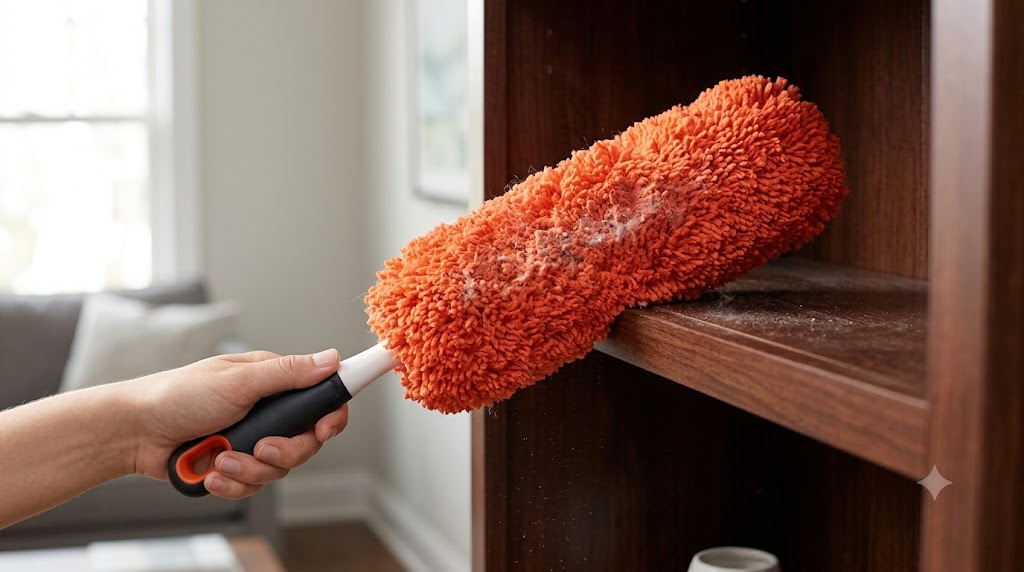
OXO Good Grips Microfiber Hand Duster
The OXO Good Grips Microfiber Hand Duster is ideal for removing loose dust, cobwebs, pollen, and other airborne debris before wet cleaning. Regular dusting helps prevent tiny particles from scratching the screen during wiping and contributes to consistently sharp, vibrant projected images.
| Product | Why I Picked It |
|---|---|
| MagicFiber Premium Microfiber Cleaning Cloths | These ultra-soft microfiber cloths lift dust, fingerprints, pollen, and light stains without scratching delicate projector screen surfaces. They are reusable, lint-free, highly absorbent, and safe for virtually every screen material. |
| Chemical Guys Professional Grade Microfiber Towels | These thick, premium microfiber towels provide excellent cleaning performance while minimizing streaks. Their soft fibers reduce the risk of abrasion, making them ideal for larger outdoor projector screens and repeated maintenance. |
| Better Life Natural All-Purpose Cleaner | This gentle, biodegradable cleaner effectively removes grime and organic residue without harsh ammonia or bleach. When diluted according to the manufacturer’s directions, it can help clean many washable projector screens safely. |
How to Clean an Outdoor Projector Screen Step by Step
A systematic cleaning process is the safest way to remove dirt while protecting your outdoor projector screen from scratches, discoloration, or permanent damage. Before you begin, consult the manufacturer’s care instructions since cleaning recommendations vary depending on whether the screen is made from PVC, vinyl, fabric, or specialized projection material.
Follow these steps for the best results:
- Take the screen down if possible. Cleaning a screen on a flat surface reduces the risk of stretching or damaging the material.
- Remove loose dust and debris. Use a dry microfiber cloth or a soft brush to gently wipe away dust, pollen, leaves, and insect residue.
- Prepare a mild cleaning solution. Mix a few drops of gentle dish soap with warm water in a clean bucket or spray bottle. Avoid bleach, ammonia, alcohol-based cleaners, and strong solvents.
- Clean gently. Lightly dampen a microfiber cloth or soft sponge—never soak it—and wipe the screen using straight horizontal or vertical strokes instead of circular motions.
- Treat stubborn spots carefully. Let the damp cloth rest on the stain for 30–60 seconds before wiping gently. Repeat if necessary rather than scrubbing aggressively.
- Remove soap residue. If your screen’s care instructions allow rinsing, wipe it with another cloth dampened with clean water.
- Air-dry completely. Allow the screen to dry naturally before folding, rolling, or reinstalling it. Storing a damp screen can encourage mold and mildew growth.
Cleaning every few months—or after heavy outdoor use—helps maintain sharp images, vibrant colors, and consistent brightness while extending the screen’s lifespan.
Quick Cleaning Checklist
- Remove dust before using water.
- Use only microfiber cloths or soft sponges.
- Mix mild soap with warm water.
- Wipe gently using straight strokes.
- Let the screen dry completely before storage.
- Never use abrasive pads, paper towels, or harsh chemicals.
Common Mistakes to Avoid When Cleaning an Outdoor Projector Screen
Even high-quality outdoor projector screens can become permanently damaged if they are cleaned incorrectly. While it may be tempting to use common household cleaners or scrub away stubborn stains, these practices can reduce image quality and shorten the screen’s lifespan. Knowing what not to do is just as important as following the correct cleaning method.
One of the biggest mistakes is using harsh chemicals such as bleach, ammonia, window cleaner, or alcohol-based solutions. These products can strip away the screen’s reflective coating, cause discoloration, or weaken the material over time. Likewise, abrasive scrub brushes, scouring pads, and paper towels may leave fine scratches that become visible whenever the projector is in use.
Another common error is applying too much water. Excess moisture can seep into the screen’s seams, frame, or backing material, increasing the risk of mold, mildew, warping, or adhesive failure. Instead, use a lightly dampened microfiber cloth or soft sponge and clean the surface gradually.
Many people also overlook the importance of removing dust before washing. Rubbing dirt across the screen creates tiny scratches that scatter projected light and reduce picture clarity. Always dust the screen first using gentle strokes.
Avoid folding or rolling the screen while it is still damp. Trapped moisture can create unpleasant odors, mildew stains, and permanent creases that affect viewing quality. Allow the screen to air-dry fully in a shaded, well-ventilated area before storing it.
Cleaning Mistakes Checklist
Avoid these common errors:
- Using bleach, ammonia, or glass cleaners.
- Scrubbing with abrasive pads or stiff brushes.
- Spraying cleaner directly onto the screen.
- Applying excessive pressure while wiping.
- Cleaning without removing loose dust first.
- Storing the screen before it is completely dry.
- Ignoring the manufacturer’s cleaning instructions.
By avoiding these mistakes, you can preserve your outdoor projector screen’s brightness, color accuracy, and smooth viewing surface for many seasons of outdoor entertainment.
How to Remove Tough Stains from an Outdoor Projector Screen
Not every stain comes off with a simple wipe. Outdoor projector screens are exposed to pollen, bird droppings, tree sap, insect residue, mold, and airborne pollutants that can leave stubborn marks. The key is to treat these stains gently so you remove the residue without damaging the screen’s viewing surface or reflective coating.
Start by identifying the type of stain. Organic debris such as mud or pollen usually responds well to a microfiber cloth dampened with warm water and a few drops of mild dish soap. For dried bird droppings or insect residue, avoid scraping the surface. Instead, place a damp microfiber cloth over the affected area for one to two minutes to soften the debris before wiping it away with light pressure.
Tree sap can be more challenging because it is sticky and may spread if rubbed aggressively. Apply a damp cloth with mild soapy water and let it sit briefly to loosen the sap. Repeat the process several times rather than trying to remove it in one pass. Patience is much safer than excessive scrubbing.
If you notice mold or mildew, first ensure the screen is completely dry after cleaning. Wash the affected area using the mild soap solution recommended by the manufacturer, then allow the screen to air-dry in a well-ventilated, shaded location. Persistent mold stains may indicate that moisture has penetrated the material, in which case replacement could be the best long-term solution.
Stain Removal Guide
| Stain Type | Recommended Method |
|---|---|
| Dust and pollen | Dry microfiber cloth followed by a damp wipe |
| Mud | Allow it to dry, brush off gently, then clean with mild soap |
| Bird droppings | Soften with a damp cloth before wiping |
| Insect residue | Use warm soapy water and gentle strokes |
| Tree sap | Soften gradually with mild soapy water; never scrape |
| Mold or mildew | Clean according to manufacturer guidance and dry thoroughly |
If a stain remains after several gentle cleaning attempts, stop rather than increasing pressure or switching to harsh chemicals. Permanent marks are often less harmful than scratches or damage caused by aggressive cleaning.
How to Maintain an Outdoor Projector Screen and Keep It Clean Longer
Regular maintenance is the easiest way to keep an outdoor projector screen looking bright and delivering a crisp, high-quality image. Rather than waiting until dirt and stains become noticeable, adopting a few simple habits can significantly reduce the need for deep cleaning and help extend the screen’s lifespan.
After each outdoor movie night or event, inspect the screen for dust, insects, leaves, or moisture. A quick wipe with a clean, dry microfiber cloth removes surface debris before it has a chance to build up. If the screen became damp from dew or light rain, allow it to air-dry completely before rolling or folding it for storage.
Proper storage is equally important. Whenever possible, keep the screen in its protective storage bag or case and store it in a cool, dry location away from direct sunlight, excessive heat, and humidity. Long-term exposure to ultraviolet (UV) rays can gradually fade some screen materials, while moisture may encourage mold and mildew growth.
To minimize dirt accumulation, avoid setting up your projector screen directly beneath trees that drop sap, pollen, leaves, or bird droppings. If you frequently use the screen in windy conditions, secure it firmly to reduce flapping, which can attract dust and increase wear along the edges.
Outdoor Projector Screen Maintenance Tips
- Dust the screen after every use.
- Clean spills and stains as soon as possible.
- Allow the screen to dry completely before storing.
- Store it in a protective case or bag.
- Avoid prolonged exposure to direct sunlight when not in use.
- Keep the screen away from sprinklers and standing water.
- Inspect the frame, grommets, and mounting hardware regularly for signs of wear.
- Follow the manufacturer’s recommended cleaning schedule and care instructions.
Consistent maintenance not only preserves the screen’s appearance but also helps maintain color accuracy, brightness, and image sharpness. With just a few minutes of care after each use, your outdoor projector screen can remain in excellent condition for years of backyard movies, sporting events, and outdoor gatherings.
Conclusion
Keeping an outdoor projector screen clean is one of the simplest ways to preserve excellent picture quality and maximize its lifespan. By removing dust regularly, using a mild soap solution, wiping gently with a microfiber cloth, and allowing the screen to dry completely before storage, you can prevent many common problems such as stains, mold, scratches, and reduced brightness.
Equally important is avoiding harsh chemicals, abrasive cleaning tools, and excessive moisture, all of which can permanently damage the screen’s surface. A little preventative maintenance after each use goes a long way toward keeping your screen in top condition for backyard movie nights, sporting events, and outdoor gatherings.
For more home theater tips, explore our related guides on projector maintenance, choosing the best outdoor projector, and improving projector image quality. With the right care routine, your outdoor projector screen can continue delivering bright, clear, and immersive viewing experiences for many years.
Frequently Asked Questions About How to Clean an Outdoor Projector Screen
How often should I clean an outdoor projector screen?
For most homeowners, a light cleaning every one to three months is sufficient, depending on how often the screen is used. If you frequently host outdoor movie nights or leave the screen exposed to dust, pollen, rain, or insects, inspect it after each use and remove any debris promptly. Regular maintenance prevents dirt from becoming difficult to remove.
Can I use glass cleaner or household cleaning sprays?
No. Glass cleaners and many household sprays contain chemicals such as ammonia or alcohol that can damage the screen’s reflective coating or discolor the material. Instead, use a microfiber cloth with warm water and a small amount of mild dish soap, following the manufacturer’s care instructions.
Is it safe to pressure wash an outdoor projector screen?
No. Pressure washers produce enough force to stretch, tear, or permanently damage the screen material and may force water into seams or the frame. Gentle hand cleaning is the safest and most effective method.
What should I do if mold appears on my projector screen?
Clean the affected area using a mild soap solution if the manufacturer recommends it, then allow the screen to dry completely in a well-ventilated area. If mold has penetrated the material or returns repeatedly, replacing the screen may be the best solution.
Can I fold or roll the screen immediately after cleaning?
No. Always let the screen air-dry completely before folding, rolling, or storing it. Trapped moisture can cause mildew, unpleasant odors, permanent creases, and material deterioration.
What’s the best cloth for cleaning an outdoor projector screen?
A clean, lint-free microfiber cloth is the best choice. It removes dust and light stains effectively without scratching the screen or leaving behind fibers that could affect image quality.
Can a Projector Get a Virus?why you need to know
This website is a participant in the Amazon Services LLC Associates Program, an affiliate advertising program designed to provide a means for us to earn fees by linking to Amazon.com and affiliated sites.