
This website is a participant in the Amazon Services LLC Associates Program, an affiliate advertising program designed to provide a means for us to earn fees by linking to Amazon.com and affiliated sites.
Multimedia projectors are versatile display devices that project digital content such as videos, presentations, photos, documents, and websites onto a larger screen or surface. Unlike traditional projectors designed mainly for a single purpose, multimedia projectors can handle several types of content and connect to devices such as laptops, smartphones, streaming devices, gaming consoles, and media players.
Whether you are preparing a business presentation, creating a home theater, teaching a class, or enjoying a gaming session, a multimedia projector can turn a small digital display into a much larger viewing experience. But what makes a projector “multimedia,” and how does it differ from a standard projector?
Understanding features such as resolution, brightness, connectivity, image technology, and portability can help you determine whether a multimedia projector is right for you. In this guide, we will explain what multimedia projectors are, how they work, where they are used, and the key factors to consider before choosing one.
Best Multimedia Projectors for Home, Work, Gaming, and Entertainment
Choosing a multimedia projector depends on how you plan to use it, including movies, presentations, gaming, streaming, or everyday entertainment. The following three models represent different strengths and use cases.
Epson Home Cinema 3800 — Best for Versatile Home Entertainment
The Epson Home Cinema 3800 is a strong multimedia choice because it combines 4K enhancement, 3,000-lumen brightness, flexible installation, large image support, and powerful built-in stereo speakers for varied home entertainment.

- 4K PRO-UHD (1) Projection technology — a new type of 4K home theater experience, utilizing advanced technologies for resolution Enhancement, color and image…
- True 3-chip projector design — Advanced 3LCD technology displays 100 percent of the RGB color signal for every frame without any “rainbow effect” or color…

BenQ HT2060 — Best for Movies and Gaming
The BenQ HT2060 is ideal for multimedia use because its 1080p resolution, 2,300 ANSI lumens, HDR support, accurate color reproduction, low input lag, and multiple HDMI connections accommodate movies, gaming, and streaming.

- LED VIBRANT COLORS: The LED’s long lamp life also produces rich DCI-P3 and 98% Rec.709 color coverage performance
- HIGH CONTRAST: Compatible with HDR10 and HLG, produces deeper black for fine details in dark scenes
XGIMI HORIZON Ultra — Best for Smart Multimedia Features
The XGIMI HORIZON Ultra stands out with 4K resolution, 2,300 ISO lumens, Dolby Vision, built-in Android TV, Wi-Fi, Bluetooth, automatic image adjustments, and integrated Harman/Kardon speakers for convenient entertainment.
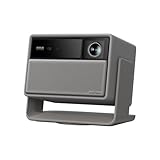
- Powered by RGB Triple Laser: The X-Master RGB triple laser engine delivers 3200 ISO lumens and a 100,000:1 contrast ratio for vivid, accurate colors and exceptional…
- Cinematic Certified: IMAX Enhanced, Dolby Vision, HDR10+, and Filmmaker Mode combine to deliver stunning visuals and true-to-intent playback—bringing the theater…
Related Products and Accessories
For the best multimedia projector setup, consider pairing your projector with:
- A projector screen for a more consistent and controlled viewing surface.
- An HDMI cable for connecting laptops, game consoles, Blu-ray players, and streaming devices.
- A streaming stick or media player for convenient access to online entertainment.
- External speakers or a soundbar when you want stronger audio than built-in projector speakers provide.
- A projector ceiling mount or stand for stable positioning and repeatable image alignment.
The right combination depends on whether your priority is home cinema, business presentations, classroom teaching, gaming, or portable entertainment.
What Is a Multimedia Projector?
A multimedia projector is a display device designed to project different forms of digital content onto a large screen, wall, or other suitable viewing surface. Instead of being limited to one type of media, it can typically display presentations, videos, photographs, documents, web content, graphics, and other visual material from connected devices.
The term multimedia refers to the projector’s ability to work with multiple forms of media. Depending on the model, you may be able to connect a laptop, desktop computer, smartphone, tablet, gaming console, Blu-ray player, streaming device, or other source through HDMI, USB, wireless networking, or other connections.
How Multimedia Projectors Differ From Basic Projectors
The main difference is versatility. A basic projector may be designed primarily for presentations, while a multimedia projector is generally intended to support a broader range of content and applications.
For example, a multimedia projector can be used for:
- Business presentations: Display PowerPoint slides, spreadsheets, charts, and documents during meetings.
- Education: Project lessons, diagrams, videos, and interactive learning materials in classrooms.
- Home entertainment: Create a large-screen experience for movies, television programs, and streaming content.
- Gaming: Display console or PC games on a much larger screen.
- Events: Show photographs, promotional videos, announcements, and graphics at gatherings.
Modern multimedia projectors can also include smart features that reduce the need for external equipment. Some models offer built-in streaming platforms, wireless screen mirroring, Bluetooth audio, Wi-Fi connectivity, automatic focus, and automatic keystone correction.
However, not every projector includes all these features. Therefore, checking the manufacturer’s specifications is important before purchasing, particularly if you need a specific connection, operating system, resolution, or streaming service.
Ultimately, a multimedia projector is best understood as a flexible large-screen display solution. Its value comes from being able to handle different content sources and adapt to different environments rather than serving only one specialized purpose.
How Do Multimedia Projectors Work?
Multimedia projectors work by receiving a video or image signal from a source device, processing that digital information, and converting it into light that can be projected onto a larger surface. Although the internal design varies between models, most projectors follow the same basic process: input, image processing, light generation, image formation, and projection.
First, the projector receives content from a connected source such as a laptop, smartphone, streaming device, gaming console, or media player. Connections may include HDMI, USB, Wi-Fi, or wireless screen mirroring, depending on the projector’s capabilities.
Next, the projector’s internal electronics process the incoming signal. The image processor determines how the content should be displayed according to the projector’s supported resolution, aspect ratio, color settings, and other image parameters.
The projector then uses a light source and imaging system to create the picture. Modern models commonly use LED, laser, or traditional lamp-based light sources, while the imaging system may use technologies such as LCD or DLP.
The image is subsequently directed through the projector’s optical system and focused through its lens. The lens enlarges the image so it can cover a screen or wall while maintaining the appropriate proportions.
Several features can improve this process. Keystone correction can compensate for certain types of image distortion when the projector is not perfectly perpendicular to the screen, while autofocus can automatically adjust lens focus on compatible models.
Brightness also plays an important role. A brighter projector can generally produce a more visible image when there is ambient light, although room conditions, screen size, contrast, and image quality all affect the final viewing experience.
In simple terms, a multimedia projector takes digital content, turns it into a visual image, magnifies that image through its optical system, and casts it onto a viewing surface.
What Are Multimedia Projectors Used For?
Multimedia projectors are used wherever people need to display digital content on a larger screen. Their flexibility makes them suitable for homes, classrooms, offices, conference rooms, entertainment venues, and social events. Because they can handle different content types, one projector can often serve several purposes.
Business Presentations
In workplaces, multimedia projectors can display presentations, spreadsheets, charts, reports, diagrams, and videos during meetings or training sessions. A large projected image makes information easier for groups to view simultaneously.
Classroom Teaching
Teachers can use projectors to display educational videos, photographs, diagrams, slides, websites, and lesson materials. Projection can be particularly useful when an entire class needs to focus on the same visual information.
Home Theater and Streaming
At home, a multimedia projector can create a cinema-style viewing experience by displaying movies, television shows, sports, and streaming content on a large screen. When combined with a suitable screen and external audio system, it can become the centerpiece of a home theater.
Gaming
Gamers can connect compatible projectors to consoles or gaming PCs for a much larger image. However, gamers should pay attention to input lag, refresh rate, resolution, and available HDMI features because these specifications can affect responsiveness and image quality.
Events and Entertainment
Multimedia projectors are also useful for weddings, parties, exhibitions, community events, and other gatherings. They can display photographs, videos, announcements, presentations, or decorative visuals.
Creative and Professional Applications
Businesses, photographers, designers, museums, and event professionals may use projectors to display artwork, promotional content, product demonstrations, or visual installations.
The best application ultimately depends on the projector’s specifications. Brightness, resolution, connectivity, throw distance, portability, and audio capabilities should match the environment and type of content being displayed. This versatility is what makes multimedia projectors useful beyond traditional presentation settings.
What Are the Different Types of Multimedia Projectors?
Multimedia projectors come in several types, and the best choice depends on where and how you plan to use one. Projectors can differ according to their light source, imaging technology, portability, resolution, and intended environment.
LCD Multimedia Projectors
LCD projectors use liquid crystal display panels to create the projected image. They are known for producing bright images and strong color reproduction, making them useful for classrooms, offices, presentations, and home entertainment.
DLP Multimedia Projectors
DLP projectors use tiny mirrors to produce images and are widely used for business presentations, education, movies, and gaming. They can provide sharp images and smooth motion, while their compact optical systems allow manufacturers to create relatively portable designs.
LED Multimedia Projectors
LED projectors use light-emitting diodes instead of conventional projection lamps. LED light sources generally have long operating lives and can allow manufacturers to build smaller, energy-efficient projectors.
Laser Multimedia Projectors
Laser projectors use laser light sources and are increasingly popular in professional environments and home theaters. They can offer high brightness, long light-source life, fast startup, and consistent image performance, although models with advanced laser systems can cost more.
Portable Multimedia Projectors
Portable projectors are designed for users who need to move their equipment between rooms or locations. Some include built-in batteries, speakers, wireless connectivity, and smart operating systems, making them convenient for travel and casual entertainment.
Short-Throw and Ultra-Short-Throw Projectors
Short-throw projectors can create large images from relatively short distances, while ultra-short-throw projectors can sit very close to the screen or wall. These designs are particularly useful where installation space is limited.
When comparing projector types, consider more than the light source or display technology. Resolution, brightness, contrast, connectivity, throw ratio, input lag, operating system, and installation requirements can all influence which multimedia projector is appropriate for your situation.
What Features Should You Look for in a Multimedia Projector?
Choosing a multimedia projector requires looking beyond resolution alone. The right model should match your room, viewing distance, content type, connected devices, and expectations for image and sound quality.
Resolution
Resolution determines how much detail the projector can display. Full HD (1920 × 1080) is suitable for many movies, presentations, and games, while 4K projectors provide greater detail for large-screen home theater applications. For presentations containing small text, higher resolution can also improve readability.
Brightness
Brightness, commonly expressed in ANSI lumens or another manufacturer-specified measurement, affects how clearly an image appears under ambient lighting. A projector used in a dark home theater may require less brightness than one used in a bright classroom or conference room.
Connectivity
Check which connections the projector provides before buying. HDMI is particularly important for modern devices, while USB, Wi-Fi, Bluetooth, and wireless screen mirroring can add convenience depending on your setup.
Throw Ratio and Installation
The throw ratio determines how far the projector needs to sit from the screen to produce a particular image size. Short-throw and ultra-short-throw models can be useful in smaller rooms, while lens shift and keystone correction can provide additional installation flexibility.
Light Source
Consider whether the projector uses a lamp, LED, or laser light source. Lamp-based models can be affordable, while LED and laser projectors typically offer longer light-source life and different maintenance requirements.
Audio and Smart Features
Built-in speakers can be convenient for casual viewing, although external speakers may provide better sound. Smart operating systems, streaming support, autofocus, automatic keystone correction, and integrated wireless connectivity can also make everyday operation easier.
Ultimately, the best multimedia projector balances image quality, brightness, connectivity, installation flexibility, and convenience rather than maximizing one specification in isolation.
Conclusion
Multimedia projectors are versatile display devices designed to handle far more than traditional presentations. They can project movies, photographs, documents, presentations, games, websites, and other digital content, making them useful for homes, classrooms, offices, businesses, and events.
When choosing one, consider the features that matter most for your intended use. Resolution, brightness, connectivity, throw distance, light source, audio, and smart features can all influence the viewing experience and determine whether a projector suits your environment.
For home entertainment, higher resolution, strong contrast, and convenient streaming features may be priorities. For business or education, brightness, connectivity, portability, and readable text may matter more.
Ultimately, understanding how multimedia projectors work and comparing their specifications can help you choose a model that delivers the right combination of image quality, flexibility, and convenience for your needs.
Frequently Asked Questions About What Are Multimedia Projectors?
What is a multimedia projector used for?
A multimedia projector is used to display different types of digital content on a larger screen or surface. Common uses include business presentations, classroom lessons, movies, streaming, gaming, photo displays, and events. Its versatility allows one projector to support multiple applications.
What is the difference between a multimedia projector and a regular projector?
A multimedia projector is generally designed to handle several types of content and input sources rather than focusing on one specialized application. Depending on the model, it may support computers, smartphones, streaming devices, gaming consoles, USB media, wireless connections, and other sources.
Can you watch movies on a multimedia projector?
Yes. Many multimedia projectors are suitable for watching movies, particularly models with Full HD or 4K resolution, good contrast, adequate brightness, and suitable connectivity. Adding a dedicated projector screen and external speakers can further improve the home theater experience.
Can a multimedia projector be used for gaming?
Yes, provided the projector has suitable gaming specifications. Look for low input lag, an appropriate refresh rate, sufficient resolution, and compatible HDMI connections. These features can help provide more responsive gameplay and smoother images.
Are multimedia projectors good for presentations?
Yes. Multimedia projectors are widely used for presentations because they can display slides, documents, charts, videos, and other visual materials on a large screen. For business or classroom use, brightness and text clarity are especially important.
Do multimedia projectors need a computer?
Not necessarily. Some projectors require an external source, such as a laptop or streaming device, while smart multimedia projectors may have built-in operating systems and wireless capabilities. The required equipment depends on the projector’s features and the content you want to display.
Are multimedia projectors worth buying?
They can be worthwhile if you need a flexible large-screen display. A multimedia projector can serve multiple purposes, from entertainment and gaming to education and professional presentations, making it a practical choice when its specifications match your environment and requirements.
This website is a participant in the Amazon Services LLC Associates Program, an affiliate advertising program designed to provide a means for us to earn fees by linking to Amazon.com and affiliated sites.