
This website is a participant in the Amazon Services LLC Associates Program, an affiliate advertising program designed to provide a means for us to earn fees by linking to Amazon.com and affiliated sites.
high-lumen projectors specifically designed for bright environments are best for clear daytime viewing. Unlike regular home theater projectors, these models are built with powerful light output to overcome natural sunlight and maintain sharp, vivid images.
Think about it: you wouldn’t bring a flashlight to a sunny park and expect to see its beam clearly. The same applies to projectors. If the brightness isn’t strong enough, the image will look washed out, blurry, or completely invisible. This makes lumen count—the measure of projector brightness—the most important factor when choosing a projector for daylight use.
But brightness alone isn’t the full story. Contrast ratio, screen type, and even placement in the room also play key roles in whether your projected content will be viewable during the day.
Best for Daylight Projectors
When it comes to bright spaces, not every projector can handle direct sunlight or a well-lit room. Here are three of the best daylight projectors available today:
Epson Pro EX9220 Wireless Projector
With 3,600 lumens of brightness and Full HD resolution, the Epson Pro EX9220 ensures clear, sharp visuals even in brightly lit rooms, making it perfect for business presentations and home use.

- More accurate, vivid color, even in well lit rooms : 3, 600 lumens of equal color and white brightness (1)
- Pro quality projector : 1080p+/WUXGA resolution (1920 x 1200) offers 4.5x more resolution than SVGA for full HD 1080p content
BenQ TK850i 4K HDR Projector
Designed for living rooms and outdoor use, the BenQ TK850i boasts 3,000 lumens with HDR10 support. Its vibrant colors and crisp detail make it ideal for sports and movies in daylight.
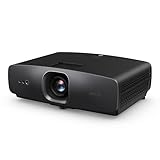
- AI-POWERED CINEMA: AI Cinema Mode adapts colors based on ambient light and scene for superior image quality. Stream Netflix, Prime Video, YouTube, and more without…
- OUT OF BOX COLOR ACCURACY: Achieves 90% DCI-P3 & 98% Rec.709 with Delta E < 3 precise factory calibration from BenQ CinematicColor Technology. Professional color...
Optoma UHD38 Bright 4K Projector
At an impressive 4,000 lumens, the Optoma UHD38 delivers stunning 4K resolution and low input lag. It’s one of the brightest options for gaming, streaming, or events during the day.

- True 4K Ultra HD
- Lag-Free Gaming

Understanding Projector Brightness: Why Lumens Matter
The most important factor in choosing a projector that works in daylight is brightness, measured in lumens. The higher the lumens, the better a projector can compete with ambient light.
A standard home theater projector may have around 1,500 to 2,500 lumens, which works well in dark rooms. However, once sunlight enters, that same image looks faded and washed out. For daylight use, experts recommend at least 3,000 lumens or more to maintain clarity.
Brightness needs also depend on screen size. A projector displaying on a 120-inch screen requires more lumens compared to a smaller 80-inch screen. Larger projections spread the light out, making it harder to stay vivid under sunlight.
Here are some general brightness guidelines:
- 1,500–2,500 lumens: Best for dark, home theater environments.
- 3,000–4,000 lumens: Suitable for classrooms, offices, and bright living rooms.
- 4,500+ lumens: Recommended for outdoor events or large spaces with strong daylight.
Choosing the right lumen level ensures your content—whether it’s movies, presentations, or games—remains visible and enjoyable, even when blinds are open or lights are on.
Contrast Ratio and Image Quality in Bright Environments
While lumens determine brightness, contrast ratio plays a key role in how crisp and dynamic the image looks in daylight. Contrast ratio measures the difference between the brightest whites and the darkest blacks a projector can produce.
In dark rooms, even a moderate contrast ratio looks good because shadows and colors stand out clearly. However, in bright spaces, poor contrast means the image appears flat and grayish. That’s why projectors designed for daylight often combine high lumens with strong contrast ratios to keep visuals sharp.
For example, a projector with 3,500 lumens but only a 500:1 contrast ratio may look bright but lack detail in dark movie scenes. On the other hand, a 3,000-lumen projector with a 10,000:1 contrast ratio can balance light output and detail, offering a more cinematic experience even in a lit room.
To maximize image quality in bright conditions, consider these tips:
- Look for projectors with a minimum contrast ratio of 10,000:1 for better depth.
- Choose models with HDR support to enhance brightness and color accuracy.
- Pair your projector with an ambient light rejecting (ALR) screen, which helps preserve contrast in daylight.
In short, brightness makes the picture visible, but contrast ratio ensures it’s enjoyable. Without both, daytime projection can feel underwhelming.
Screen Types That Enhance Daylight Projection
Even the brightest projector struggles without the right screen. Screen technology directly impacts visibility in daylight, often more than people realize.
Standard white screens scatter light in all directions, which works fine in dark rooms but causes washed-out images in bright environments. Instead, specialized ambient light rejecting (ALR) screens are engineered to reflect projector light toward the viewer while deflecting ambient light away. This preserves brightness and contrast even under strong daylight.
For outdoor or large room use, gray screens are another option. They enhance black levels and improve perceived contrast when sunlight dilutes the picture. Pairing a gray screen with a high-lumen projector is a common setup for backyard movie nights or bright living spaces.
Key screen options include:
- ALR screens: Best for living rooms or offices with windows.
- Gray screens: Improve dark tones under sunlight.
- Portable daylight screens: Lightweight options for outdoor use.
Choosing the right screen ensures that a high-lumen projector delivers its full performance potential in daylight.
Placement and Room Setup for Daylight Projectors
Even with a high-lumen projector and a quality screen, placement and room setup can make or break daylight viewing. Optimizing how and where you position your projector helps reduce sunlight interference.
First, consider room orientation. Placing the screen opposite windows or direct sunlight sources reduces glare and prevents washed-out images. If possible, install blackout curtains or blinds to control light flow.
Next, think about projector angle and throw distance. Short-throw projectors work well in smaller spaces because they can project large images from a close distance, minimizing light scatter. Ceiling mounting is also effective, as it avoids obstructions and helps with better beam alignment.
Here are some quick setup tips:
- Avoid projecting directly across from windows.
- Use curtains, blinds, or shades to manage natural light.
- Opt for short-throw or ultra-short-throw projectors in compact rooms.
- Position screens on non-reflective walls to reduce glare.
When combined with the right projector and screen, proper room setup ensures that daylight doesn’t overpower your viewing experience.
Outdoor Use: Choosing Projectors for Daylight Events
Projectors aren’t just for indoor spaces—many people use them for outdoor movie nights, sports screenings, or business events. But daylight adds unique challenges outdoors since there’s no way to fully block the sun.
For daytime outdoor use, brightness is the number one priority. A projector should have at least 4,000 lumens, but for larger screens or direct sunlight, 5,000–6,000 lumens is recommended. High brightness ensures the image remains visible even when sunlight is unavoidable.
Outdoor projection also benefits from portable ALR screens or inflatable screens designed for bright conditions. These help manage ambient light and provide a flat surface for clear visuals.
Some best practices for outdoor daytime setups include:
- Start in shaded areas to minimize direct sunlight on the screen.
- Use a high-gain screen to reflect more light toward the audience.
- Invest in weather-resistant, portable projectors for easy setup and protection.
- Consider scheduling events in the late afternoon when the sun is lower.
With the right projector, screen, and setup, you can host bright, clear, and engaging events—even before the sun goes down.
Projectors can absolutely work in daylight—but only when the right combination of brightness, contrast, screen type, and setup are in place. Models with at least 3,000 lumens are ideal for indoor daytime viewing, while outdoor events often require 4,500–6,000 lumens or more. Pairing a high-lumen projector with an ALR or gray screen ensures colors remain vivid and blacks stay deep, even under sunlight.
Proper placement, light control, and thoughtful room setup also make a big difference in image quality. Whether you’re watching movies, gaming, or running presentations, investing in a daylight-capable projector unlocks flexible viewing without needing a dark room.
Frequently Asked Questions About What Projectors Work in Daylight
Can any projector work in daylight?
Not all projectors are designed for daylight. Standard home theater models with 1,500–2,000 lumens work well in dark rooms but struggle in bright spaces. For daylight, look for projectors with 3,000 lumens or more to ensure visibility.
How many lumens do I need for outdoor daytime projection?
For outdoor daytime use, brightness is critical. At least 4,000 lumens is recommended for small gatherings, while larger screens or events in direct sunlight may need 5,000–6,000 lumens.
Do ALR screens really make a difference?
Yes. Ambient light rejecting (ALR) screens are designed to reflect projected light directly to the viewer while deflecting sunlight and room light. They significantly improve contrast and image clarity in daylight conditions.
Can I use a projector in a room with windows?
Absolutely. The key is managing light. Choose a high-lumen projector, pair it with an ALR screen, and use curtains or blinds to reduce glare. Placement away from direct sunlight also helps.
Are short-throw projectors good for daylight?
Yes, especially in smaller rooms. Short-throw or ultra-short-throw projectors can produce large, bright images from close distances, minimizing light interference and keeping the picture sharp in brighter spaces.
What’s the best type of projector for mixed use (day and night)?
If you plan to use your projector both day and night, choose a versatile 3,000–4,000 lumen model with strong contrast ratio and HDR support. It balances brightness for daylight while still delivering cinematic quality at night.
Can a Projector Get a Virus?7 reasons why?
This website is a participant in the Amazon Services LLC Associates Program, an affiliate advertising program designed to provide a means for us to earn fees by linking to Amazon.com and affiliated sites.
