
This website is a participant in the Amazon Services LLC Associates Program, an affiliate advertising program designed to provide a means for us to earn fees by linking to Amazon.com and affiliated sites.
A pumpkin patch bulletin board is an easy way to transform a classroom, hallway, or school display area into a colorful fall-themed learning space. With pumpkins, autumn leaves, vines, hay-bale accents, and student-created decorations, teachers can create a display that feels seasonal while also serving an educational purpose.
A well-designed pumpkin patch display can go beyond simple decoration. It can showcase student work, introduce autumn vocabulary, encourage reading, display classroom goals, or create an interactive activity that students can update throughout the season.
The best designs combine a clear visual theme with practical classroom content. Whether you prefer a rustic pumpkin patch, a cheerful cartoon-style display, or a more educational autumn board, choosing coordinated colors and purposeful elements can make the finished display look polished without requiring complicated crafting skills.
Best for Pumpkin Patch Bulletin Board Decorations
The right decorations can make a pumpkin patch bulletin board easier to assemble while giving the display enough visual variety to look complete. These options cover a ready-made themed set, versatile mini accents, and larger pumpkin cutouts for filling open spaces.
Carson Dellosa Pumpkin Patch Bulletin Board Set
This 32-piece Pumpkin Patch Bulletin Board Set includes a scarecrow, crows, fall leaves, pumpkins, a sign, and a pumpkin basket, making it useful when you want most of the main artwork in one package.
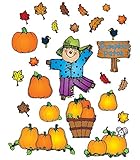
- Fall Bulletin Board Decorations: (Pumpkin) spice up your classroom décor for Autumn with the Carson Dellosa Pumpkin Patch Bulletin Board Set!
- What’s Included: The 32-piece classroom decorations set includes a pumpkin patch sign, a scarecrow, 18 autumn leaves, 10 pumpkins, 2 crows, and a resource guide…

Why I picked it ?
Its coordinated pumpkins, scarecrow, leaves, crows, sign, and basket create a complete autumn scene, reducing preparation time while providing enough variety for an attractive classroom display.
Carson Dellosa Fall Mix Mini Cutouts
The Fall Mix Mini Cutouts provide 36 small seasonal pieces, including pumpkins, leaves, acorns, apples, and turkeys. They can also function as name tags, game pieces, labels, or reward cards.

- Fall Bulletin Board Decorations: (Pumpkin) Spice up your classroom décor for Autumn, Halloween, and Thanksgiving using Carson Dellosa’s Autumn Bulletin Board…
- What’s Included: The autumn décor set includes 7 pumpkin, 6 turkey, 8 acorn, 6 apple and 9 autumn leaf décor pieces—perfect for Thanksgiving décor, Halloween…
Why I picked it ?
These versatile mini cutouts add smaller details around larger pumpkins while doubling as name tags, labels, game pieces, or student activities, making the decorations useful beyond autumn.
FLO’s Jumbo Orange Pumpkin Classroom Wall Cutouts
FLO’s Jumbo Orange Pumpkin Classroom Wall Cutouts come in a 50-piece pack, with pumpkin sizes ranging from approximately 7¾ to 17¼ inches, making them suitable for larger displays.

- Package Includes: You will receive 2 pieces of Thanksgiving jumbo pumpkin cutouts with beautiful design and realistic shape, classic autumn theme patterns are…
- Large Size: The size of each pumpkin paper cutout is about 15.98 x 15.98 inches/ 40.6 x 40.6 cm, larger sizes will make your fall wall decors more eye-catching and…
Why I picked it ?
The large pumpkin shapes quickly fill empty bulletin board areas and create strong visual impact, making them practical for teachers decorating spacious classroom walls or oversized seasonal displays.
Related Products
Consider pairing your main pumpkin decorations with:
- Warm-color fall leaf cutouts for filling gaps and creating a layered autumn background.
- Scarecrow and harvest accents to give the display a recognizable pumpkin-patch setting.
- Bulletin board border trim in orange, brown, green, or fall patterns to frame the finished design.
- Student name tags or pumpkin-shaped labels for turning the decorative display into an interactive classroom board.
- Printable pumpkin patch bulletin board kits if you prefer customizable digital decorations; current options include designs intended for student names, photos, and classroom displays.
For a traditional classroom scene, combine large pumpkins + fall leaves + a scarecrow + a bold “Pumpkin Patch” title. This creates a clear focal point while leaving enough space for student work or educational content.
How Can You Create an Attractive Pumpkin Patch Bulletin Board?
Creating an attractive pumpkin patch bulletin board starts with a simple visual plan. Instead of covering the entire board with decorations, choose a clear focal point and build the scene around it using pumpkins, leaves, vines, and seasonal accents.
Begin by covering the background with a color that supports the autumn theme. Blue, kraft-paper brown, cream, or dark green can provide an effective contrast against bright orange pumpkins. Next, add a large “Pumpkin Patch” heading near the top so students and visitors immediately understand the theme.
Build the pumpkin patch from the bottom upward. Arrange different-sized pumpkins across the lower portion of the board, then add green vines, leaves, grass, hay-bale shapes, or small scarecrows to make the scene feel more dimensional.
For a classroom display, consider leaving intentional spaces for educational content or student work. Pumpkin-shaped pieces can hold student names, reading goals, vocabulary words, artwork, writing assignments, or positive messages.
Simple design formula
- Choose a background that contrasts with orange pumpkins.
- Add a bold title such as “Our Pumpkin Patch.”
- Place large pumpkins along the bottom and sides.
- Layer smaller leaves and seasonal accents around the pumpkins.
- Add vines or grass to connect separate elements.
- Reserve space for student work if the board serves an educational purpose.
- Finish with coordinated border trim to give the display a polished appearance.
Layering is especially useful because it prevents the bulletin board from looking flat. Place larger pieces toward the back and smaller decorations toward the front to create visual depth without making the board excessively crowded.
Another effective approach is personalization. Adding each student’s name to a pumpkin can turn an ordinary fall decoration into a classroom community display. For younger students, pumpkin faces, counting activities, color recognition, or simple autumn vocabulary can make the board interactive as well as decorative.
Most importantly, keep the design consistent. Using a limited palette of orange, green, brown, yellow, and cream helps individual decorations look like parts of one cohesive pumpkin patch bulletin board rather than unrelated fall items.
What Interactive Pumpkin Patch Bulletin Board Ideas Can Engage Students?
An interactive pumpkin patch bulletin board can turn a seasonal classroom decoration into an activity students regularly use. By adding movable pumpkins, student names, questions, or learning challenges, the display can support participation while maintaining its fall theme.
One simple idea is a “Pick a Pumpkin” activity. Create several paper pumpkins and place a question, vocabulary word, math problem, or short challenge on the back of each one. Students can choose a pumpkin, complete the task, and return it to the patch for another student.
A student-name pumpkin patch is another flexible option. Give every student a pumpkin containing their name, then create activities where pumpkins move between sections of the board.
For example, you could label different areas:
- Ready to Grow – current learning goals
- Growing Great Ideas – student thoughts or questions
- Pumpkin Patch Readers – books students recommend
- Harvesting Success – completed assignments or achievements
- Kindness Patch – positive notes and compliments
Interactive elements can also reinforce specific subjects. In mathematics, pumpkins can display addition, subtraction, multiplication, fractions, or measurement problems. For literacy, students can match pumpkins with vocabulary words, story characters, rhyming words, or descriptive adjectives.
You can also create a weekly pumpkin challenge. Place a new prompt on the board each Monday and allow students to contribute answers throughout the week. This keeps the display changing and gives students a reason to check it regularly.
When designing an interactive board, use durable cardstock or laminated pieces if decorations will be handled frequently. Velcro dots, reusable adhesive, magnets, or pockets can make pieces easier to move without damaging the background.
The most effective interactive pumpkin patch displays connect decoration with a clear classroom purpose. Instead of simply looking festive, the board becomes a visual learning tool that encourages students to participate, share ideas, and celebrate progress.
What Pumpkin Patch Bulletin Board Ideas Work for Different Grade Levels?
A pumpkin patch bulletin board can be adapted for preschool, elementary, middle school, or even special classroom settings by changing the colors, language, activities, and amount of student participation. The basic pumpkin theme remains the same, but the content should match students’ developmental levels and classroom needs.
Preschool and Kindergarten
Young learners often respond well to bright colors, large shapes, and simple interactive activities. Create a friendly pumpkin patch with oversized pumpkins, smiling faces, leaves, and simple labels.
You could use pumpkins for:
- Learning colors and shapes
- Counting activities
- Student names
- Letter recognition
- Simple classroom rules
- “My favorite thing” drawings
For example, each child can decorate a paper pumpkin and add it to the class patch.
Elementary School
Elementary students can handle more structured educational activities. Use pumpkins as spaces for vocabulary words, reading recommendations, math problems, writing prompts, or student achievements.
A “We Are Growing as Learners” theme can connect the pumpkin patch visually with academic progress. Students could periodically replace older pumpkins with new ones showing skills they have learned.
Upper Elementary and Middle School
Older students may prefer a cleaner, less childish design. Use realistic pumpkins, muted autumn colors, simple typography, and subject-specific content instead of cartoon characters.
A reading-themed pumpkin patch could feature book reviews, favorite quotations, reading goals, or student recommendations. A writing board could use pumpkins to display descriptive paragraphs or creative autumn stories.
Special Education and Support Classrooms
For students who benefit from visual organization, pumpkins can represent routines, choices, accomplishments, or classroom expectations. Use large print, clear symbols, high-contrast labels, and movable pieces where appropriate.
Regardless of grade level, the strongest approach is to make the pumpkin patch bulletin board relevant to what students are already learning. This allows the seasonal display to remain attractive while also reinforcing classroom instruction and student participation.
How Can You Make a Pumpkin Patch Bulletin Board Educational?
A pumpkin patch bulletin board can become an effective educational resource when its decorative elements are connected to lessons, student work, or classroom goals. The key is to make the pumpkins serve a purpose rather than using them only as decoration.
For literacy activities, turn pumpkins into vocabulary cards. Write a word on each pumpkin and ask students to provide a definition, synonym, antonym, sentence, or illustration. Younger students can match uppercase and lowercase letters, while older learners can use pumpkins for spelling words or autumn-themed writing prompts.
Math provides another opportunity for an interactive pumpkin display. Place numbers, equations, or geometric concepts on individual pumpkins and have students solve or match them. For example, one pumpkin could contain a multiplication problem while another contains its correct answer.
Science lessons can also fit naturally into the theme. A display about how pumpkins grow can show the progression from seed to sprout, flowering plant, and mature pumpkin. Students can arrange the stages in the correct order and learn basic concepts about plant growth.
Social-emotional learning can be incorporated through a “Kindness Pumpkin Patch.” Students can write compliments, examples of helpful behavior, gratitude statements, or positive classroom experiences on paper pumpkins.
Consider using these educational approaches:
- Reading: Book recommendations or vocabulary words
- Writing: Descriptive paragraphs and creative prompts
- Math: Equations, number patterns, and problem-solving
- Science: Pumpkin life cycles and plant growth
- Social studies: Fall traditions and harvest celebrations
- SEL: Gratitude, kindness, teamwork, and classroom goals
Student-created content can make the board especially meaningful. Instead of preparing every pumpkin yourself, allow students to decorate, write, draw, categorize, or arrange portions of the display.
The result is a pumpkin patch bulletin board that changes as students learn. It remains visually appealing throughout the season while providing a practical space for review, participation, and displaying classroom learning.
How Can You Decorate a Pumpkin Patch Bulletin Board on a Budget?
A pumpkin patch bulletin board does not require expensive decorations or a large collection of specialty supplies. With construction paper, recycled materials, printable templates, and a few carefully chosen accents, you can create a colorful autumn display while keeping costs manageable.
Start by using inexpensive paper for the main background. Kraft paper, butcher paper, bulletin board paper, or even large sheets of recycled packaging can provide an effective foundation. Brown and green backgrounds work particularly well for a rustic pumpkin patch, while cream or light blue can create a brighter classroom scene.
Paper pumpkins are one of the easiest budget-friendly decorations. Cut pumpkin shapes from orange construction paper, cardstock, or leftover craft paper, then vary their sizes to create visual depth. Students can help decorate them with crayons, markers, paint, or paper scraps.
You can also create inexpensive accents from materials you may already have:
- Green paper: Cut leaves, vines, and grass.
- Brown paper: Make stems, fences, or rustic signs.
- Tissue paper: Create textured leaves or pumpkin details.
- Scrapbook paper: Add patterns to selected pumpkins.
- Recycled cardboard: Create sturdy signs and larger decorations.
- Yarn or twine: Add simple dimensional vines.
- Printable templates: Quickly produce consistent pumpkin shapes.
Instead of purchasing a complete themed kit, consider buying only one standout decoration and creating the rest yourself. For example, a ready-made scarecrow or bulletin board title can become the focal point while homemade pumpkins and leaves fill the remaining space.
Another money-saving strategy is to design the display so pieces can be reused. Laminate pumpkin shapes, labels, and seasonal accents so they can be stored and brought out again next year. You can also leave some pieces blank and customize them for different classroom activities.
The goal is not to make every element elaborate. A thoughtfully arranged pumpkin patch bulletin board can look polished when it uses consistent colors, varied shapes, and purposeful layering—even when most decorations are homemade.
How Can You Keep a Pumpkin Patch Bulletin Board Organized and Attractive?
A pumpkin patch bulletin board looks most effective when its decorations are arranged with balance and purpose. Even attractive pumpkins and autumn accents can make a display feel cluttered if too many elements compete for attention or important classroom content is difficult to find.
Start by establishing a visual focal point. A large “Pumpkin Patch” title, oversized pumpkin, scarecrow, or student-work section can anchor the design while smaller decorations fill the surrounding areas.
Use different pumpkin sizes to create visual hierarchy. Larger pumpkins can occupy the lower corners or central area, while smaller pumpkins, leaves, and vines can be positioned around them to create depth.
Spacing is equally important. Leave small areas of background visible rather than covering every inch of the board. Negative space gives individual elements room to stand out and makes educational content easier to read.
If students will interact with the display, divide it into clearly defined sections. For example:
- Decorative area: Pumpkins, leaves, vines, and seasonal accents
- Student work area: Writing, artwork, or projects
- Interactive area: Questions, challenges, or movable pieces
- Information area: Vocabulary, announcements, or learning goals
Choose a consistent color palette throughout the display. Orange pumpkins paired with green leaves and brown or neutral accents can create a cohesive fall appearance without overwhelming the board.
Keep frequently handled pieces easy to remove and replace. Velcro, magnets, or reusable adhesive can allow you to update student work and activities without rebuilding the entire display.
Finally, inspect the board regularly. Replace damaged pieces, straighten decorations, remove outdated assignments, and refresh interactive activities as needed. A small amount of maintenance can keep the pumpkin patch bulletin board looking polished throughout the autumn season while ensuring it remains useful to students.
A well-organized display should balance decoration, readability, and classroom function. When those three elements work together, the bulletin board becomes more than a seasonal backdrop—it becomes an engaging part of the learning environment.
Conclusion
A pumpkin patch bulletin board can bring autumn color into a classroom while also creating opportunities for learning, creativity, and student participation. From simple paper pumpkins and fall leaves to interactive vocabulary, math, reading, and kindness activities, the possibilities can be adapted to different ages and classroom needs.
For a polished display, begin with a clear theme, use a consistent autumn color palette, and combine large focal pieces with smaller decorative details. Budget-friendly materials can work just as effectively as ready-made decorations when they are arranged thoughtfully.
Most importantly, consider giving students an active role in creating and updating the board. Student names, artwork, writing, learning goals, and interactive challenges can turn a seasonal decoration into a meaningful classroom resource. With a little planning, your pumpkin patch bulletin board can remain useful, attractive, and engaging throughout the fall season.
Frequently Asked Questions About Pumpkin Patch Bulletin Boards
What should I put on a pumpkin patch bulletin board?
You can include pumpkins, autumn leaves, vines, scarecrows, hay-bale accents, a “Pumpkin Patch” title, and student-created decorations. To make the board educational, add vocabulary words, reading recommendations, math problems, writing prompts, classroom goals, or student artwork.
How do you make a simple pumpkin patch bulletin board?
Cover the board with a suitable background, add a large title, and create pumpkins from orange construction paper or cardstock. Arrange pumpkins along the bottom, then add leaves, vines, grass, and a few seasonal accents. Leave some open space so the display does not look overcrowded.
How can students participate in a pumpkin patch bulletin board?
Give each student a paper pumpkin to decorate, write on, or personalize. Their pumpkins can display names, learning goals, vocabulary, book recommendations, accomplishments, or creative writing. Students can also help arrange interactive pieces and update activities.
Can a pumpkin patch bulletin board be educational?
Yes. Pumpkins can become learning tools for literacy, mathematics, science, and social-emotional learning. For example, students can solve equations, practice vocabulary, sequence pumpkin plant growth stages, or write kindness messages on individual pumpkins.
What colors work well for a pumpkin patch bulletin board?
Orange, green, brown, yellow, cream, and other warm autumn tones work naturally with the theme. You can use a contrasting background such as light blue, dark green, or kraft-paper brown to make the pumpkins stand out.
How can I make a pumpkin patch bulletin board on a budget?
Use construction paper, recycled cardboard, leftover craft materials, and printable pumpkin templates. Making pumpkins and leaves yourself can reduce costs, while reusable or laminated pieces can be stored for future displays.
How do I make the bulletin board interactive?
Create movable pumpkins containing questions, vocabulary words, challenges, or student responses. Velcro, magnets, or reusable adhesive can make pieces easy to remove and replace as classroom activities change.
How long can I keep a pumpkin patch bulletin board up?
A pumpkin patch theme can work throughout the fall. If the board contains student work or changing activities, regularly replace outdated content while keeping the main pumpkin and autumn decorations in place.
This website is a participant in the Amazon Services LLC Associates Program, an affiliate advertising program designed to provide a means for us to earn fees by linking to Amazon.com and affiliated sites.