
This website is a participant in the Amazon Services LLC Associates Program, an affiliate advertising program designed to provide a means for us to earn fees by linking to Amazon.com and affiliated sites.
To clean a Forbo bulletin board safely, remove loose dust first, then gently wipe the surface with a soft, damp cloth and a mild cleaning solution when necessary. Forbo bulletin board material is commonly used in offices, classrooms, noticeboards, and creative spaces because its resilient, slightly textured surface can handle everyday use while contributing to a comfortable, functional environment.
But even durable bulletin board surfaces need the right cleaning approach. Using excessive water, abrasive scrubbers, harsh chemicals, or aggressive rubbing can leave marks or affect the material’s appearance.
Whether your board has accumulated fingerprints, pencil marks, dust, food stains, or general grime, a careful cleaning routine can restore its appearance without unnecessary wear. In this guide, you’ll learn how to prepare the surface, which cleaning methods are safest, what products can help, and which common mistakes to avoid when cleaning a Forbo bulletin board.
Best for Cleaning Forbo Bulletin Board
Choosing gentle cleaning tools is more important than using strong chemicals. Forbo describes Bulletin Board as a resilient, natural linoleum pinboard material made with oxidized linseed oil, rosin, and finely ground cork.
Forbo 816 Cleaner
Forbo 816 Cleaner is a pH-neutral detergent designed to remove common soiling without leaving residue, making it a sensible choice when gentle cleaning is needed.
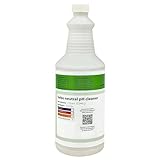
- Specifically formulated for all Forbo and Marmoleum floors
- This is a 32 oz bottle of Ultra Concentrate Cleaner
Scotch-Brite Microfiber Cleaning Cloth
A Scotch-Brite microfiber cleaning cloth provides a soft, non-abrasive surface for wiping away dust, fingerprints, and light marks without the aggressive scrubbing that can damage delicate finishes.

- ONE MICROFIBER CLEANING CLOTH: This pack of Scotch-Brite Microfiber Cleaning Cloth includes 1 microfiber towel that measures 11.4 inches x 12.2 inches; the color…
- ABSORBANT TOWEL: The microfiber cloth absorbs up to 50% more liquid than ordinary cotton dishcloths*
Dawn Ultra Dishwashing Liquid
Dawn Ultra can be useful for occasional spot cleaning when heavily diluted with water, offering gentle grease-cutting action for appropriate surface marks without requiring abrasive scrubbing.
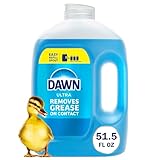
- REMOVES GREASE ON CONTACT: Dawn Ultra packs a powerful punch of grease-fighting power for a deep, sparkling clean
- REFILL WITHOUT THE SPILL: Our new and improved jug features an easy-pour spout and comfortable handle to make refilling any Dawn dish soap bottle easier, faster, and…

Related cleaning supplies: Keep a soft microfiber cloth, clean lukewarm water, a small spray bottle, and a soft-bristled brush available for routine maintenance.
Important: Forbo’s published care information specifically identifies its 816 Cleaner as a pH-neutral detergent for common soiling on its linoleum flooring products. Bulletin Board is a related linoleum-based material, but you should follow the specific care instructions supplied for your particular Bulletin Board installation rather than automatically treating it like flooring.
For everyday cleaning, start with the least aggressive method—dry dust removal followed by a lightly dampened cloth—and only introduce a cleaning solution when plain water is insufficient. This approach minimizes moisture exposure and unnecessary wear while keeping the board looking fresh.
How to Clean Forbo Bulletin Board Step by Step
Cleaning a Forbo Bulletin Board does not require complicated equipment or aggressive chemicals. A gentle, controlled process is usually the best way to remove everyday dust, fingerprints, and light surface marks while preserving the board’s appearance.
Remove Everything From the Board
Start by taking down notices, photographs, pins, clips, and other decorations. Check the surface carefully for staples or damaged pins that could scratch the material while you clean.
Remove Loose Dust
Use a clean, soft microfiber cloth to gently wipe the entire board. Work from the top downward so loosened dust does not settle onto areas you have already cleaned.
For a heavily dusty board, use a vacuum cleaner with a soft brush attachment. Keep the attachment from pressing firmly against the surface, particularly if the board has a textured finish.
Prepare a Mild Cleaning Solution
For light cleaning, lukewarm water is often a good starting point. If water alone does not remove the marks, use a small amount of mild, suitable detergent diluted according to the manufacturer’s directions.
Avoid soaking the cloth. A damp cloth is preferable because excessive moisture can penetrate edges, seams, or mounting areas.
Wipe Gently
Wipe the surface using light, overlapping strokes. Instead of repeatedly scrubbing one stubborn spot, make several gentle passes and allow the cleaning solution to loosen the soil.
Pay particular attention to areas around frequently handled notices, corners, and locations where fingerprints commonly accumulate.
Remove Residue and Dry
If you used detergent, follow the product’s instructions regarding rinsing. Use a clean, slightly damp cloth where appropriate to remove remaining residue, then allow the board to air-dry completely before replacing your displays.
Tip: Always test a cleaning product on a small, inconspicuous area first. If the surface changes color, texture, or appearance, stop using that product and consult the relevant Forbo care guidance.
How to Remove Common Stains From a Forbo Bulletin Board
Different marks on a Forbo Bulletin Board may require slightly different approaches, but the safest principle is to begin with the mildest method. Before treating any noticeable stain, remove loose dirt and test your chosen cleaning method on a small, inconspicuous area.
Fingerprints and Everyday Grime
Fingerprints are usually among the easiest marks to remove. Lightly dampen a soft microfiber cloth with clean water and gently wipe the affected area.
If fingerprints contain grease or stubborn residue, add a small amount of mild detergent to the cleaning water rather than applying concentrated soap directly to the board. Wipe gently, then remove any remaining residue according to the cleaner’s directions.
Pencil and Light Writing Marks
Pencil marks may sometimes be reduced with careful, gentle wiping. Avoid aggressively rubbing the surface because repeated friction can affect the board’s texture or appearance.
If a mark does not disappear with gentle cleaning, it is better to accept a faint mark than risk damaging the material with an abrasive cleaner.
Food and Beverage Spills
Deal with food or drink spills as soon as possible. First, carefully absorb the liquid with a clean cloth rather than spreading it across a larger area.
After absorbing the spill, wipe the area with a lightly dampened cloth and an appropriate mild cleaning solution if needed. Allow the surface to dry thoroughly before putting notices back on the board.
Ink, Marker, or Other Difficult Stains
Permanent marker, ink, paint, and similar stains can be considerably more difficult to remove. Do not immediately reach for solvents, bleach, abrasive powders, or strong stain removers because these may alter the surface.
For a persistent stain, check the manufacturer’s care instructions for your specific Forbo Bulletin Board product and installation. When in doubt, professional advice is safer than experimenting with increasingly aggressive chemicals.
What to Avoid
Never use steel wool, rough scouring pads, excessive water, or harsh abrasive products simply to make a stubborn stain disappear. Gentle cleaning is preferable to aggressive stain removal when preserving the board’s finish is the priority.
Cleaning Products and Tools to Avoid on Forbo Bulletin Board
Using the wrong cleaning product can cause more problems than the original stain. Forbo Bulletin Board has a distinctive linoleum-based surface, so cleaning should focus on gentle maintenance rather than aggressive scrubbing or powerful chemical treatments.
Avoid Abrasive Scrubbers
Steel wool, scouring pads, rough brushes, and abrasive sponges should not be your first choice. Their rough fibers can create scratches, uneven areas, or visible changes in the surface texture.
Instead, choose a clean, soft microfiber cloth for routine wiping. If additional agitation is necessary, use the gentlest suitable tool and apply minimal pressure.
Avoid Strong Solvents
Products containing aggressive solvents, paint removers, concentrated degreasers, or similar chemicals should not be used casually on the bulletin board. These substances can potentially affect the appearance or surface characteristics of linoleum-based materials.
A stubborn mark does not automatically mean a stronger chemical is the correct solution. Always check the manufacturer’s care recommendations before using a specialized stain remover.
Avoid Excessive Water
Forbo Bulletin Board should not be saturated during routine cleaning. Excess water can move into seams, edges, joints, mounting areas, or behind the board, potentially creating installation or moisture-related problems.
Instead, dampen the cloth rather than the board itself. After cleaning, allow the surface to dry completely before reinstalling papers and decorations.
Avoid Bleach and Unapproved Disinfectants
Bleach and powerful disinfectants may appear useful for difficult stains, but they should not be applied unless they are specifically approved for the material. Chemical compatibility matters just as much as cleaning strength.
If disinfection is necessary in a classroom, office, healthcare environment, or other high-touch setting, verify the product’s compatibility with your specific Forbo Bulletin Board before use.
Avoid Excessive Scrubbing
Repeatedly attacking one stain can create a visible patch even when the stain itself improves. Work gradually, using light pressure and several gentle passes.
Best practice: Start with dry dust removal, progress to a damp microfiber cloth, and only introduce an appropriate mild cleaner when necessary. This simple escalation method reduces the chance of unnecessary surface damage.
How to Maintain a Forbo Bulletin Board After Cleaning
Regular maintenance can keep a Forbo Bulletin Board looking cleaner for longer and reduce the need for intensive stain removal. Instead of waiting until the entire surface becomes dirty, establish a simple routine based on how frequently the board is used.
Dust the Board Regularly
Dust can accumulate around pins, papers, corners, and exposed areas of the board. A quick pass with a clean, soft microfiber cloth can remove loose particles before they become embedded in everyday grime.
For classrooms and busy offices, weekly dusting may be practical. Less frequently used boards may only require cleaning when visible dust or dirt appears.
Deal With Spills Quickly
Fresh spills are generally easier to manage than dried-on residue. If something is accidentally spilled on the board, gently absorb it with a clean cloth instead of allowing the liquid to remain on the surface.
Avoid wiping aggressively from side to side because this can spread the spill. Work carefully from the outside toward the affected area when appropriate.
Keep Pins and Accessories Organized
Pins, staples, clips, and other display accessories can contribute to unnecessary surface wear if they are repeatedly inserted incorrectly. Use suitable pins and avoid dragging metal accessories across the board.
When changing displays, remove pins carefully rather than twisting or pulling them sideways. This simple habit can help preserve the board’s appearance over time.
Inspect the Surface Periodically
A quick inspection can identify problems before they become difficult to address. Look for stains, damaged areas, loose edges, excessive wear, or marks that do not respond to gentle cleaning.
If the board has significant damage or a persistent stain, avoid experimenting with increasingly strong chemicals. Consult the applicable Forbo product-care documentation or a qualified installer for appropriate advice.
Establish a Simple Cleaning Schedule
A practical maintenance routine might include:
- Weekly: Remove dust and loose debris.
- As needed: Treat fingerprints and fresh spills promptly.
- Monthly: Perform a more thorough gentle cleaning if the board receives heavy use.
- Periodically: Inspect the surface, edges, mounting areas, and display accessories.
The goal is not to clean the board aggressively. Consistent, gentle maintenance is usually more effective than occasional intensive scrubbing, helping the Forbo Bulletin Board remain attractive and functional for everyday displays.
How to Clean a Forbo Bulletin Board Without Damaging the Surface
The safest way to clean a Forbo Bulletin Board is to use a gradual approach, starting with the least aggressive method and increasing cleaning strength only when necessary. This matters because unnecessary moisture, friction, or unsuitable chemicals can create new surface problems while you are trying to remove existing dirt.
Start With the Gentlest Method
Before reaching for a cleaning solution, wipe the board with a clean, dry microfiber cloth. This removes loose dust and prevents particles from becoming trapped beneath a damp cloth during the next cleaning stage.
If visible marks remain, lightly dampen the cloth with clean water. Avoid spraying the board directly, particularly around edges, joints, seams, or areas where the material is attached to another surface.
Control Moisture Carefully
A damp cloth should contain enough moisture to loosen ordinary grime without leaving the bulletin board wet. After wiping, allow the surface to dry naturally and ensure that no moisture remains around vulnerable edges.
Excessive water is unnecessary for routine cleaning and may create problems outside the visible surface. Controlled moisture is therefore one of the simplest ways to reduce cleaning-related risks.
Use Gentle Pressure
Apply light pressure while wiping instead of aggressively scrubbing marks. If a stain does not respond after several gentle attempts, stop and reassess the cleaning method rather than increasing pressure.
This is particularly important for textured or colored surfaces, where excessive friction may make a cleaned area look different from the surrounding material.
Test New Cleaning Products
Always test an unfamiliar cleaner in a small, inconspicuous location before treating the entire board. Check the area after cleaning and drying to make sure there is no noticeable discoloration, residue, texture change, or other unwanted effect.
Product instructions should take priority over generic cleaning advice. Forbo provides product-specific care information, and the recommendations applicable to your particular Bulletin Board installation should be followed whenever they differ from general maintenance practices.
Know When to Stop
Not every permanent mark can be safely removed. If eliminating a stain requires harsh chemicals, abrasive tools, or excessive scrubbing, preserving the board may be more important than achieving complete stain removal.
The best cleaning routine is gentle, controlled, and consistent: remove dust, use minimal moisture, clean with light pressure, and avoid unapproved chemicals or abrasive materials.
Conclusion
Knowing how to clean a Forbo Bulletin Board properly can help maintain its appearance without unnecessary wear. The safest approach is to begin by removing loose dust, then use a soft microfiber cloth with clean water before considering a suitable mild cleaning solution for more stubborn marks.
Avoid aggressive scrubbing, abrasive pads, excessive water, bleach, and unapproved solvents. When dealing with difficult stains, test any unfamiliar cleaning product in an inconspicuous area first and follow the care instructions applicable to your specific Forbo Bulletin Board product.
Regular maintenance is also easier than occasional deep cleaning. Dust the board periodically, address spills promptly, handle pins carefully, and inspect the surface for damage.
Frequently Asked Questions About How to Clean Forbo Bulletin Board
Can I clean a Forbo Bulletin Board with water?
Yes, clean water can be a suitable starting point for removing light dust and everyday surface marks. Use a soft cloth that is only lightly damp rather than soaking the board. Excess moisture should be avoided, especially around seams, edges, joints, and mounting areas.
What is the best cloth for cleaning Forbo Bulletin Board?
A clean, soft microfiber cloth is a practical choice for routine cleaning because it can lift dust and light dirt without requiring aggressive rubbing. Avoid rough sponges, steel wool, and abrasive cleaning pads that could affect the surface.
Can I use dish soap on a Forbo Bulletin Board?
A mild detergent may be appropriate for some cleaning situations when properly diluted, but you should not assume that every household detergent is approved for your specific Forbo product. Always follow the manufacturer’s care recommendations and test an unfamiliar cleaning solution in a discreet area first.
How do I remove stubborn stains?
Start with gentle cleaning rather than immediately using a strong stain remover. Lightly wipe the affected area with a suitable damp cloth and mild cleaning solution if permitted by the product’s care instructions. Avoid aggressive scrubbing, solvents, bleach, and abrasive products unless specifically approved.
Can I use disinfectant on Forbo Bulletin Board?
Do not automatically use disinfectants simply because they are designed for hard surfaces. Some chemicals may be unsuitable for linoleum-based materials. If disinfection is required, verify that the particular product is compatible with your Bulletin Board before applying it.
How often should I clean my Forbo Bulletin Board?
Cleaning frequency depends on usage. A busy classroom, office, or public area may benefit from regular dusting and prompt spot cleaning, while a lightly used board may only need occasional maintenance.
What should I do if cleaning does not remove a stain?
Do not keep scrubbing or repeatedly increase the chemical strength. Persistent stains may require product-specific advice from Forbo or a qualified professional. Protecting the surface is generally preferable to causing permanent damage while attempting to remove one stubborn mark.
Can excessive water damage the board?
Excessive moisture should be avoided during routine cleaning. A damp cloth provides better control than spraying or saturating the surface, and the board should be allowed to dry completely after cleaning.
Should I test a cleaner before using it?
Yes. Testing an unfamiliar product on a small, inconspicuous section is a sensible precaution. Check the area after it has dried for discoloration, residue, texture changes, or other unexpected effects.
What is the most important cleaning rule?
Start gently and increase cleaning intensity only when necessary and manufacturer-approved. Regular dust removal, controlled moisture, suitable cleaning products, and careful handling can help keep a Forbo Bulletin Board looking clean while minimizing avoidable surface wear.
This website is a participant in the Amazon Services LLC Associates Program, an affiliate advertising program designed to provide a means for us to earn fees by linking to Amazon.com and affiliated sites.