
This website is a participant in the Amazon Services LLC Associates Program, an affiliate advertising program designed to provide a means for us to earn fees by linking to Amazon.com and affiliated sites.
The Oculus Rift CV1 faceplate is an important part of the headset because it surrounds the display lenses and provides the contact area between the VR headset and your face. If the original faceplate is cracked, worn, uncomfortable, or difficult to clean, finding a suitable replacement can help restore comfort and improve your virtual reality experience.
Although the Oculus Rift CV1 is an older VR headset, replacement facial interfaces, protective covers, and foam padding options may still be available through specialist VR accessory sellers and secondhand marketplaces.
However, not every Oculus faceplate fits the CV1. Some accessories are designed for the Oculus Quest 2, Quest 3, or Rift S, making compatibility an important consideration before purchasing.
This guide explains the available Oculus Rift CV1 faceplate replacement options, what to look for when shopping, and how to choose accessories that provide a comfortable and practical fit.
Best for Oculus Rift CV1 Faceplate Replacement and Comfort
Choosing the right replacement depends on whether you need a complete facial interface frame, fresh foam padding, or a protective cover. Here are three options worth considering.
VR Cover Facial Interface and Foam Replacement Hygiene Set
Best for hygiene
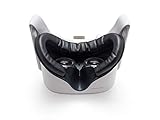
- ✅ Designed for Meta/Oculus Quest 2: Installs on the headset with a perfect fit to replace the stock facial gasket
- ✅ Enhanced hygiene: Easy to wipe off sweat and keep the facial interface dry and clean
This replacement set combines a facial interface, foam replacement, and cotton cover, making it a practical option for improving headset cleanliness and everyday wearing comfort.
AMVR VR Facial Interface and Foam Cover Pad Replacement Comfort Set
Best for comfort upgrades

- 【Keep your Valve Index Clean and Sweat-proof 】AMVR patented original design Facial Interface Bracket & PU Leather Foam Face Cover Pad for keeping Valve Index…
- 【Luxury Composition Set】One PU Leather Foam Cover (thick section) + One PU Leather Foam Cover (thin section) +One Facial Interface Bracket +Two Side Wedges…
This set offers replaceable PU leather padding, a plastic facial interface frame, and a nose pad, providing an alternative to worn original cushioning.
Genuine OEM Oculus Rift CV1 Facial Interface Replacement Frame
Best for original-style replacement

- Top VR gaming library: Blast, slash and soar your way through the top library in VR gaming. Oculus Rift S lets you play hundreds of games and exclusives already…
- Improved optics: Stare down the competition with next-generation lenses and a sharper display. Improved optics deliver bright, vivid colors and reduced…
This original-style replacement frame is suitable for owners seeking the CV1’s familiar facial interface design rather than adapting an accessory intended for another headset. eBay+1
Important buying tip: These products have had limited or inconsistent availability. Check current stock, seller reputation, included components, and explicit CV1 compatibility before ordering. The original frame, foam insert, and removable protective cover are different components.
What Is an Oculus Rift CV1 Faceplate and What Does It Do?
The Oculus Rift CV1 faceplate, commonly called the facial interface, is the removable component that sits between the headset and your face. It provides a contact surface around your eyes, helps position the headset comfortably, and supports the facial padding that prevents the hard plastic housing from pressing directly against your skin.
The faceplate is an important part of the original Oculus Rift CV1 design. Without a properly fitted facial interface, wearing the headset may become uncomfortable, particularly during longer virtual reality gaming sessions.
Main Functions of the Oculus Rift CV1 Faceplate
The facial interface serves several purposes:
- Provides comfort: It supports the foam padding that cushions the headset against your forehead and cheeks.
- Maintains headset positioning: It helps keep the headset correctly positioned relative to your eyes.
- Reduces unwanted light: Its surrounding design helps limit external light entering around the headset.
- Supports hygiene: The removable interface makes cleaning and replacing worn padding easier.
- Protects the headset: It separates your face from the headset’s rigid plastic housing.
Faceplate vs. Facial Foam vs. Protective Cover
These three components are often confused when shopping for Oculus Rift CV1 accessories.
| Component | Main purpose |
|---|---|
| Faceplate frame | Provides the structural facial interface |
| Facial foam | Cushions the headset against your face |
| Protective cover | Covers the contact surface for hygiene and protection |
For example, if your original plastic frame is intact but the foam has deteriorated, you may only need replacement padding rather than an entirely new faceplate.
Similarly, a removable VR Cover can provide a fresh contact surface without necessarily replacing the original facial interface.
Why does this matter?
Understanding these differences helps you avoid purchasing incompatible or unnecessary accessories. Before ordering an Oculus Rift CV1 faceplate replacement, identify whether the problem involves the plastic frame, the cushioning, or simply the removable protective cover.
How to Choose the Best Oculus Rift CV1 Faceplate Replacement
Choosing the right Oculus Rift CV1 faceplate replacement requires more than checking its appearance. You need an accessory that fits the original headset, provides comfortable facial cushioning, and can withstand regular use.
Because the Rift CV1 is an older VR headset, replacement accessories may be harder to find than those for newer Meta Quest models. Therefore, checking product specifications and compatibility before purchasing is particularly important.
Check Oculus Rift CV1 Compatibility
Compatibility should be your first consideration. The original Oculus Rift CV1 has a different facial interface design from the Rift S, Quest 2, and Quest 3.
Look for products that explicitly mention:
- Oculus Rift CV1 compatibility.
- Correct facial interface frame dimensions.
- Compatible attachment points.
- Support for the original headset design.
Do not assume that an accessory advertised as compatible with Oculus Rift will automatically fit every Rift model.
Consider the Padding Material
The padding material affects comfort, maintenance, and durability.
Common options include:
- PU leather: Easy to wipe clean and practical for regular maintenance.
- Foam padding: Provides cushioning and a familiar wearing experience.
- Fabric covers: Offer a softer contact surface and can be removable for cleaning.
Choose materials that feel comfortable and are suitable for your cleaning routine.
Examine the Included Components
Some replacement kits include only foam padding, while others contain a complete facial interface frame.
Before ordering, check whether the package includes:
- Plastic facial interface frame.
- Replacement foam padding.
- Removable protective cover.
- Nose light-blocking pad.
- Installation accessories, if required.
For example, the AMVR CV1 replacement set is advertised with two PU leather foam covers, a replacement plastic frame, and a nose pad. Newegg.com+1
Evaluate Cleaning and Maintenance
A removable, wipeable face covering can make headset maintenance easier.
Look for materials that can be cleaned according to the manufacturer’s instructions. Avoid harsh cleaning chemicals that could damage foam, adhesives, or synthetic leather.
Check Seller Reliability and Availability
Since replacement parts are becoming less common, inspect seller reviews, return policies, product photographs, and shipping conditions.
Some previously listed AMVR and VR Cover replacement products are currently marked out of stock by retailers. Newegg.com+2
Buying recommendation: Prioritize confirmed CV1 compatibility, suitable padding, and a clearly described package over appearance or low prices alone.
How to Replace or Install an Oculus Rift CV1 Faceplate
Replacing an Oculus Rift CV1 faceplate can help restore the headset’s comfort when the original facial interface becomes worn, damaged, or difficult to clean. However, the replacement process depends on whether you are changing the complete plastic frame, the foam padding, or a removable protective cover.
Before starting, make sure you have a replacement component specifically designed for the Oculus Rift CV1. Using an accessory intended for another headset model may result in a poor fit.
Preparing for Replacement
Before removing anything, gather the following:
- A compatible Oculus Rift CV1 replacement faceplate or facial padding.
- A clean, soft microfiber cloth.
- Manufacturer-approved cleaning supplies.
- The replacement accessory’s installation instructions.
Also, disconnect the headset from your computer before beginning.
Step-by-Step Installation Process
Follow these steps when replacing the removable facial interface:
- Remove the original interface: Hold the headset securely and gently pull the facial interface outward, starting near the top edge. It should detach from the headset without requiring you to remove the main housing.
- Inspect the frame: Check the plastic frame for cracks, damaged attachment points, or accumulated dirt.
- Prepare the replacement: Confirm that the new interface is designed for the CV1 and that its foam or protective covering is correctly attached.
- Align the replacement: Position the new facial interface with the headset’s original mounting area.
- Secure the interface: Press it gently into position until it sits evenly and securely.
- Check the fit: Inspect the edges to ensure there are no loose sections or gaps.
Important Installation Precautions
Avoid forcing the replacement into position. If it does not fit naturally, check the model compatibility and alignment.
Also, do not attempt to dismantle the headset’s internal housing simply to replace removable facial padding. More extensive frame repairs require additional tools and technical experience. The iFixit Oculus Rift CV1 facial interface replacement guide provides additional repair information.
A correctly installed faceplate should sit evenly, feel comfortable, and remain securely attached during normal headset use.
Common Oculus Rift CV1 Faceplate Problems and How to Solve Them
The Oculus Rift CV1 faceplate can develop several problems after extended use. Regular contact with skin, sweat, friction, and repeated removal can gradually affect the facial padding and plastic interface.
Fortunately, many faceplate problems can be addressed by cleaning, replacing worn cushioning, or installing a compatible protective cover.
Here are some common issues and practical ways to address them.
Worn or Deteriorating Faceplate Foam
The original foam padding can become compressed, rough, or damaged over time. This may reduce cushioning and make the headset less comfortable.
What to do:
- Inspect the foam for visible deterioration.
- Replace damaged padding with a CV1-compatible replacement.
- Consider a removable protective cover for easier maintenance.
- Avoid using damaged foam that causes discomfort.
Uncomfortable Facial Interface
An uncomfortable facial interface can make extended VR sessions less enjoyable. Poorly fitted padding or an incorrectly installed replacement may contribute to the problem.
What to do:
- Check that the facial interface is seated correctly.
- Inspect the cushioning for uneven compression.
- Choose compatible replacement padding.
- Adjust the headset straps according to the manufacturer’s guidance.
Loose or Damaged Faceplate Frame
A loose faceplate may move during use, creating an uneven fit or allowing unwanted light into the headset.
What to do:
- Remove the facial interface and inspect its attachment points.
- Check for broken plastic clips or cracks.
- Reinstall the interface carefully.
- Replace the frame if its attachment points are damaged.
Avoid using excessive force to secure a loose frame because this could cause further damage.
Unwanted Light Entering Through the Nose Area
Some users experience light leakage around the nose area, which can affect immersion during VR gaming.
What to do:
- Check whether the facial interface is positioned correctly.
- Inspect the nose area for gaps.
- Consider a compatible replacement interface with a nose light blocker.
Some AMVR replacement kits include a nose pad designed to reduce unwanted light entry. Knoxlabs+1
Dirty or Unpleasant-Smelling Faceplate
Sweat, skin oils, and dust can accumulate on the facial interface after repeated use.
What to do:
- Remove the facial interface before cleaning.
- Follow the manufacturer’s cleaning instructions.
- Use appropriate non-abrasive cleaning materials.
- Allow the interface to dry completely before reinstalling it.
Avoid alcohol-based cleaners and harsh chemicals on the original foam. Oculus cleaning guidance recommends gentle cleaning and complete drying before reuse. sensearena.ams3.cdn.digitaloceanspaces.com+1
When replacement is necessary: If the foam is badly deteriorated, the fabric is torn, or the plastic frame is cracked, replacing the affected component is generally more practical than continuing to use it.
How to Clean and Maintain Your Oculus Rift CV1 Faceplate
Regular cleaning and maintenance can help extend the lifespan of your Oculus Rift CV1 faceplate. Since the facial interface comes into direct contact with your skin, it can collect sweat, dust, and skin oils during VR gaming sessions.
Keeping the faceplate clean also helps maintain a comfortable headset experience and reduces the buildup of dirt on the facial padding.
Remove the Facial Interface Carefully
Start by disconnecting the Oculus Rift CV1 from your computer. Gently detach the removable facial interface according to the headset’s design.
Avoid pulling aggressively or bending the plastic frame because its attachment points can become damaged.
Clean the Plastic Frame
Use a soft, slightly damp microfiber cloth to wipe the plastic frame.
Pay attention to areas where dust and dirt collect. Avoid soaking the frame or allowing moisture to enter the headset’s internal components.
Clean the Foam Padding
Foam requires more careful handling than plastic.
Follow the cleaning instructions supplied with your particular replacement padding. Avoid excessive moisture, harsh chemicals, and abrasive cleaning materials that could damage its surface.
If the foam cannot be cleaned effectively or has started deteriorating, consider replacing it.
Maintain Protective Covers
Removable VR covers can make routine maintenance easier.
If your faceplate uses a washable fabric cover, follow its manufacturer’s washing instructions. Allow it to dry completely before putting it back on the headset.
Store the Headset Properly
Good storage habits can help prevent unnecessary wear.
Consider these maintenance practices:
- Store the headset in a clean, dry location.
- Keep it away from direct sunlight.
- Avoid placing heavy objects on the facial interface.
- Keep dust away from the foam and plastic frame.
- Inspect the padding periodically for deterioration.
How Often Should You Clean the Faceplate?
Cleaning frequency depends on how often the headset is used and whether it is shared.
For shared headsets, clean the facial contact surfaces between users using compatible cleaning products. For personal headsets, inspect and clean the interface regularly, especially after sessions that involve sweating.
Maintenance tip: A removable, wipeable protective cover can make keeping your Oculus Rift CV1 faceplate clean considerably easier.
Conclusion
The Oculus Rift CV1 faceplate plays an important role in maintaining headset comfort, proper positioning, and an enjoyable virtual reality experience. Whether your original facial interface is damaged, the foam padding has deteriorated, or you simply want an easier-to-clean surface, choosing a compatible replacement can make a noticeable difference.
Before purchasing, check product compatibility, padding materials, included components, and seller reliability. Options such as VR Cover facial interface accessories, AMVR replacement sets, and original-style CV1 frames are worth investigating.
With proper cleaning, careful installation, and regular maintenance, you can keep your Oculus Rift CV1 comfortable and usable for longer. Always prioritize a secure fit and accessories specifically designed for the CV1.
Frequently Asked Questions About Oculus Rift CV1 Faceplate
What is an Oculus Rift CV1 faceplate?
An Oculus Rift CV1 faceplate is the removable facial interface that sits between your face and the VR headset. It supports the facial padding, improves wearing comfort, and helps reduce unwanted external light.
Can you replace the Oculus Rift CV1 faceplate?
Yes. The removable facial interface can be replaced with a compatible CV1 replacement. You can also replace worn foam padding or add a protective cover without necessarily replacing the complete frame.
Does the Oculus Rift S faceplate fit the CV1?
No, the Rift S and original Rift CV1 use different facial interface designs. Always check the exact headset model before purchasing replacement accessories.
Where can I buy an Oculus Rift CV1 replacement faceplate?
You can investigate VR accessory retailers, eBay, and specialist secondhand marketplaces. Search for products specifically advertised as Oculus Rift CV1 facial interface replacements, and confirm availability before ordering.
How do I make my Oculus Rift CV1 faceplate more comfortable?
Consider replacing compressed foam, checking the facial interface alignment, and using a compatible protective cover. Proper headset adjustment can also improve comfort.
Can I use a VR Cover on my Oculus Rift CV1?
Yes, provided the particular VR Cover product is designed for the original Rift CV1. Covers made for Quest or Rift S headsets should not be assumed compatible.
How do I clean my Oculus Rift CV1 faceplate?
Remove the facial interface and clean its components according to their material-specific instructions. Use a soft cloth for the plastic frame and avoid soaking foam padding or using harsh cleaning chemicals.
Is it worth replacing the original Oculus Rift CV1 faceplate?
Yes, if the original interface is cracked, loose, or uncomfortable. A compatible replacement can improve comfort and make headset maintenance easier without requiring you to replace the entire VR headset.
What is the difference between a faceplate and a facial interface?
The terms are sometimes used interchangeably when discussing VR accessories. However, the facial interface generally refers to the complete removable frame and its cushioning, while a faceplate may refer to the frame alone.
Are Oculus Rift CV1 faceplate replacements still available?
Some replacement accessories and secondhand components can still be found, but availability is limited because the CV1 is an older headset. Check specialist VR retailers and marketplace listings for compatible products.
This website is a participant in the Amazon Services LLC Associates Program, an affiliate advertising program designed to provide a means for us to earn fees by linking to Amazon.com and affiliated sites.