
This website is a participant in the Amazon Services LLC Associates Program, an affiliate advertising program designed to provide a means for us to earn fees by linking to Amazon.com and affiliated sites.
Making a homemade projector is surprisingly simple and can be done using everyday household items like a shoebox, a magnifying glass, and a smartphone. This DIY project allows you to project videos and images onto a wall without investing in expensive equipment, making it a fun and educational activity for families, students, and creative enthusiasts.
Have you ever wondered if you could turn a simple cardboard box into your own mini home theater? While homemade projectors cannot match the brightness and image quality of professional models, they offer an affordable way to understand the basic principles behind projection technology.
In this guide, you’ll learn exactly how to make a homemade projector step by step, discover the materials you’ll need, explore practical tips to improve image quality, and understand the limitations of DIY projectors. Whether you’re building one for a science project, a rainy-day activity, or a movie night experiment, this guide will help you create a functional projector using simple tools and techniques.
Best for Homemade Projector Projects
If you’re planning to make a homemade projector, using the right materials can significantly improve your results. While a DIY projector is designed to be inexpensive, investing in a few quality components can help produce a sharper image, better durability, and a more enjoyable viewing experience.
Kaisi 3X Magnifying Glass
Best for: Creating a clearer projected image
The Kaisi 3X Magnifying Glass is an excellent choice because it features a large lens diameter that allows more light to pass through the projector. This helps create a brighter and more focused image on the wall. Its sturdy construction also makes it easier to secure onto a cardboard box without damaging the lens, making it ideal for repeated DIY use.

- Real optical glass vs acrylic lenses: Each handheld 3X magnifying glass has been designed with optical grade glass lenses, which have been shaped, ground, and…
- Usable vertically or horizontally: Designed for many applications, this powerful magnifier can be utilized both vertically and horizontally
UGREEN Adjustable Smartphone Tripod Stand
Best for: Keeping your phone stable inside the projector
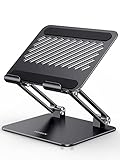
- More Sturdy Design: Made of sturdy aluminum alloy metal for stability and durability. Dual rod Design gives your tablet a stable home
- Find Your Best Angle: Easily customize angles for comfortable viewing at work or study
A homemade projector works best when the smartphone remains perfectly aligned with the magnifying lens. The UGREEN Adjustable Smartphone Tripod Stand offers flexible positioning and strong grip support, preventing the phone from shifting during use. This stability helps maintain image clarity and reduces the need for constant adjustments while watching videos.
Black Duck Tape
Best for: Improving image contrast and reducing light leaks

- MULTI-USE: Co-extruded tape with waterproof backing for long-term repairs and all-weather performance making it ideal for bundling, sealing, waterproofing and…
- STRONG & FLEXIBLE: Aggressive rubber based adhesive for excellent holding power to masonry, wood, plastic and glass; great stretch and conformability to hold tightly…

Black Duck Tape is often overlooked, yet it can dramatically enhance projector performance. By sealing gaps around the box and reinforcing edges, it minimizes unwanted light escaping from the projector. The dark finish also helps absorb stray reflections inside the box, improving perceived contrast and delivering a cleaner projected image.
Materials and Tools You Need to Make a Homemade Projector
One of the biggest advantages of making a homemade projector is that you don’t need expensive equipment. Most of the items required can be found around your home, purchased from a local stationery store, or ordered online at a low cost. The goal is to recreate the basic principles of a projector using a light source, a lens, and an enclosed viewing chamber.
Essential Materials
You’ll need the following items to build a functional DIY projector:
- A sturdy shoebox or cardboard box with a lid
- A large magnifying glass (preferably 3X magnification)
- A smartphone to display videos or images
- Black construction paper or black paint
- Adhesive tape or glue
- A craft knife or box cutter
- A pencil or marker
- A ruler or measuring tape
- Binder clips or a smartphone stand
- Scissors
Why These Materials Matter
The cardboard box serves as the projector housing, blocking outside light and creating a controlled environment. The magnifying glass acts as the projection lens, enlarging the image displayed on your smartphone.
Meanwhile, black paper or paint darkens the interior of the box. This simple step reduces internal reflections and helps improve image contrast. A ruler ensures accurate measurements, which are critical for proper lens placement and image focus.
Safety Tips
When preparing your materials, keep these precautions in mind:
- Use craft knives carefully and cut on a stable surface.
- Children should complete this project under adult supervision.
- Avoid placing liquids near your smartphone.
- Handle the magnifying lens gently to prevent scratches.
- Work in a well-lit area during assembly.
How to Make a Homemade Projector Step by Step
Building a homemade projector is easier than many people expect. By carefully positioning the lens and smartphone, you can create a simple device that projects videos and photos onto a flat surface. Although the image quality won’t rival a commercial projector, the process is both educational and entertaining.
Step 1: Prepare the Cardboard Box
Start by choosing a shoebox or similarly sized cardboard box with a secure lid. The box should be sturdy enough to hold its shape during use.
Line the inside of the box with black construction paper or paint it black. This helps absorb stray light and improves the contrast of the projected image.
Step 2: Create the Lens Opening
Place the magnifying glass against one of the shorter sides of the box and trace around the lens using a pencil.
Carefully cut out the circle using a craft knife or scissors. Secure the magnifying lens firmly over the opening using tape or glue, ensuring there are no gaps that allow light to escape.
Step 3: Position Your Smartphone
Place your smartphone inside the box facing the magnifying lens. Use binder clips, a small stand, or folded cardboard to keep it upright and stable.
Move the phone forward or backward until you find a position that produces the clearest image.
Step 4: Flip the Screen Orientation
Magnifying lenses naturally invert projected images.
To compensate:
- Enable your phone’s screen rotation lock.
- Rotate the image upside down before placing it inside the projector.
- Some video apps allow screen orientation adjustments for easier viewing.
Step 5: Test and Adjust the Focus
Close the box and point the projector toward a smooth white wall or screen in a dark room.
Adjust the distance between:
- The smartphone and lens.
- The projector and the wall.
Small movements can dramatically improve focus and image size.
Tips for Better Results
- Use maximum screen brightness on your phone.
- Turn off nearby lights.
- Clean the magnifying lens before use.
- Use high-contrast videos for a clearer picture.
- Keep the projector steady during playback.
How to Improve the Image Quality of a Homemade Projector
A homemade projector can produce surprisingly enjoyable results, but its performance depends heavily on how well you optimize the setup. Since DIY projectors use a smartphone and a simple magnifying lens instead of specialized projection technology, small adjustments can make a noticeable difference in image clarity and brightness.
Use the Darkest Room Possible
Ambient light is one of the biggest enemies of homemade projectors. Even a bright lamp can wash out the image and make it difficult to see details.
For the best viewing experience:
- Turn off overhead lights.
- Close curtains and blinds.
- Project during the evening or nighttime whenever possible.
The darker the room, the more vivid the projected image will appear.
Maximize Your Smartphone’s Brightness
Your smartphone acts as the projector’s light source. Increasing the screen brightness helps create a stronger projection.
Before starting:
- Set the display brightness to maximum.
- Disable auto-brightness settings.
- Plug your phone into a charger if needed, as high brightness drains the battery quickly.
Fine-Tune the Focus
Proper focus requires patience. Moving the smartphone just a few millimeters closer to or farther from the magnifying lens can significantly sharpen the image.
Likewise, adjusting the distance between the projector and the wall affects both image size and clarity. Larger images often appear dimmer and softer, while smaller projections tend to look sharper.
Reduce Internal Light Reflections
Stray reflections inside the box can lower contrast and create a hazy appearance.
To minimize this issue:
- Line the interior with black construction paper.
- Use matte black paint inside the box.
- Seal gaps with black tape to prevent light leaks.
Start With High-Quality Content
Low-resolution videos become more noticeable when enlarged. Choosing HD content can improve the overall viewing experience.
Additionally, selecting videos with strong contrast and vibrant colors often produces better-looking projections.
Limitations of Homemade Projectors and When to Consider a Real Projector
Homemade projectors are a fun and affordable way to explore the science behind image projection, but it’s important to have realistic expectations. While they can successfully display videos and images, they cannot match the performance of dedicated projectors designed for home entertainment, education, or business use.
Understanding the Limitations
A DIY projector relies on your smartphone’s screen as its light source. Unlike commercial projectors that use powerful lamps or laser technology, smartphones produce limited brightness.
As a result, you may notice several drawbacks:
- The projected image appears relatively dim.
- Picture quality decreases as the image size increases.
- Sharpness may vary depending on lens quality.
- Colors can appear less vibrant than expected.
- Focus adjustments often require trial and error.
- The projector performs poorly in bright environments.
These limitations don’t mean the project has failed. Instead, they highlight the difference between a creative experiment and purpose-built projection equipment.
When a Homemade Projector Is the Right Choice
A DIY projector works especially well for:
- Science fair demonstrations.
- Classroom activities about optics and light.
- Family craft projects.
- Teaching children basic engineering concepts.
- Casual movie nights in a dark room.
- Budget-conscious experimentation.
When to Upgrade to a Real Projector
If you frequently watch movies, deliver presentations, or host gaming sessions, investing in a dedicated projector may be worthwhile.
Consider upgrading if you need:
- Higher brightness levels.
- Full HD or 4K image quality.
- Larger screen sizes with consistent clarity.
- Built-in speakers and connectivity options.
- Reliable performance in various lighting conditions.
Conclusion
Learning how to make a homemade projector is an enjoyable way to combine creativity, science, and practical problem-solving using materials you may already have at home. With a cardboard box, a magnifying glass, and a smartphone, you can build a simple device that demonstrates the fascinating principles of light and image projection.
Although a DIY projector won’t deliver the brightness or image quality of a commercial model, it excels as an educational experiment, family activity, or budget-friendly project. By carefully positioning the lens, optimizing focus, and improving your viewing environment, you can achieve surprisingly satisfying results.
Whether you’re creating one for a school assignment, introducing children to basic optics, or simply exploring a fun weekend project, a homemade projector offers a rewarding hands-on experience.
Frequently Asked Questions About How to Make a Homemade Projector
Can you really make a projector at home?
Yes, you can make a functional homemade projector using simple materials such as a cardboard box, a magnifying glass, and a smartphone. The magnifying lens enlarges the image from your phone and projects it onto a wall or screen. While the results won’t match those of a professional projector, it is an effective way to understand the basics of projection technology.
Why is my homemade projector image blurry?
Blurry images are usually caused by incorrect focus. Try moving the smartphone slightly closer to or farther from the magnifying lens until the image becomes clearer. Cleaning the lens and ensuring the phone remains stable can also improve sharpness.
Does a homemade projector work in daylight?
Homemade projectors perform best in dark environments. Daylight and bright indoor lighting reduce image visibility because a smartphone screen does not produce enough brightness to compete with ambient light. For optimal results, use the projector at night or in a darkened room.
Why is the projected image upside down?
A magnifying glass inverts the image as light passes through it. To correct this, rotate your smartphone screen upside down before placing it inside the projector. Locking the screen orientation can help prevent it from rotating back during use.
What type of magnifying glass works best?
A large magnifying glass with approximately 3X magnification is generally recommended. Larger lenses allow more light through and make it easier to achieve a brighter, better-focused projection.
Is making a homemade projector safe for children?
Yes, provided adult supervision is available. Children should avoid using sharp tools such as craft knives and should be guided throughout the assembly process to ensure the project remains both safe and enjoyable.
Can a Projector Get a Virus?why you need to know
This website is a participant in the Amazon Services LLC Associates Program, an affiliate advertising program designed to provide a means for us to earn fees by linking to Amazon.com and affiliated sites.