
This website is a participant in the Amazon Services LLC Associates Program, an affiliate advertising program designed to provide a means for us to earn fees by linking to Amazon.com and affiliated sites.
Keeping your image sharp starts with a proper projector cleaning checklist for beginners. Dust and grime are the top enemies of brightness and clarity, but you can fix this in under 15 minutes.
This complete guide provides expert tips and proven methods to clean your lens, filter, and vents safely. Learn exactly what to do and what to avoid to extend your projector’s life.
Best Cleaning Kits for Projector Maintenance
iCloth Pro 3-Piece Lens Cleaning Kit – Best Overall Choice
This iCloth Pro kit includes a microfiber cloth, lens pen, and alcohol-free spray. It is the recommended choice for removing smudges without scratching delicate projector optics. Ideal for beginners who want a complete, safe solution.
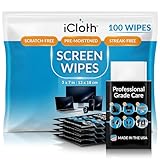
- PERFECT FOR SCREENS & ELECTRONICS – iCloth wipes effectively clean all types of screens with an ultra-pure formula of deionized water and isopropyl alcohol (IPA…
- STREAK-FREE AND SPOTLESS CLEANING – The formula evaporates quickly, leaving your screens crystal clear with no streaks or residue.
Zeiss Lens Cleaning Wipes (Pre-moistened, 200-Pack) – Best for Portability
These Zeiss pre-moistened wipes are alcohol-free and individually wrapped for convenience. They are the best option for quick, on-the-go cleaning of both lens and filter areas. Perfect for frequent travelers or classroom projectors.

- Gentle: ZEISS lens wipes are pre-moistened and designed to remove smudges and dirt for a through gentle cleaning.
- Safe: Use ZEISS wipes on a variety of glasses types, including prescription lenses or those with anti-reflective coatings.

Giottos Rocket Air Blaster (Large, AA1900) – Best for Dust Removal
The Giottos Rocket Air Blaster uses a gentle, bulb-powered air stream to dislodge dust. It is the best option for cleaning vents and internal parts without direct contact. Ideal for preventing dust buildup between deep cleaning sessions.

- Stands upright
- 7.5-Inch long
How to Clean a Projector Lens Safely
Cleaning the lens is the most critical step in your projector cleaning checklist for beginners. A dirty lens directly reduces image sharpness and brightness. Always start with the gentlest method to avoid scratching the coating.
Step 1: Dry Dust Removal with an Air Blower
Use a Giottos Rocket Air Blaster or similar bulb blower to remove loose dust. Never use canned compressed air, as it can spray moisture or propellant onto the lens. Hold the blower at a 45-degree angle and squeeze gently 3-4 times.
Step 2: Wipe with a Microfiber Cloth
If smudges remain, use a clean, dry microfiber cloth designed for optics. Work from the center of the lens outward in a circular motion. Avoid using paper towels, tissues, or your shirt, as these can scratch the surface.
- Do not apply pressure: Let the cloth do the work to protect the anti-reflective coating.
- Use a lens pen: For stubborn fingerprints, a carbon-tip lens pen is a safe alternative.
- Limit liquid use: Only use an alcohol-free lens spray if absolutely necessary.
Cleaning the Air Filter and Vents
Dust buildup in the air filter causes overheating and shortens bulb life. This part of your projector maintenance routine should be done every 1-3 months, depending on your environment. Check your owner’s manual for the specific filter location.
Locate and Remove the Filter
Most projectors have a removable filter on the side or bottom. Slide it out carefully and inspect it under a bright light. If it is a washable filter, proceed to the next step; if it is disposable, replace it with a new one.
Wash or Vacuum the Filter
For washable filters, rinse them under lukewarm running water from the clean side out. Do not use soap or scrub the filter. Let it air dry completely for at least 24 hours before reinstalling it to prevent moisture damage.
- Use a vacuum: For non-washable filters, gently vacuum the dust from the intake side.
- Clean the vents: Use the air blower to clear dust from the exhaust vents.
- Reinstall securely: Ensure the filter is fully dry and clicks into place.
Common Projector Cleaning Mistakes to Avoid
Even with a solid projector cleaning checklist for beginners, simple errors can cause permanent damage. Knowing what not to do is just as important as following the right steps. Avoid these common pitfalls to keep your projector running smoothly.
Using Harsh Chemicals or Household Cleaners
Never use window cleaner, rubbing alcohol, or any ammonia-based product on your projector lens. These chemicals strip the delicate anti-reflective coating, leading to permanent blurriness. Stick to products specifically labeled as safe for coated optics.
Applying Too Much Pressure During Cleaning
Pressing hard on the lens to remove a stubborn smudge can scratch the glass or damage the internal alignment. Always use a light touch and let the cleaning solution (if used) do the work. If a smudge persists, repeat the process rather than increasing force.
- Don’t use paper towels: They contain wood fibers that are abrasive to lens coatings.
- Avoid cotton swabs: They can leave lint behind and push debris into crevices.
- Never spray liquid directly: Always spray onto the cloth first to prevent drips inside the casing.
How Often Should You Clean Your Projector?
Your cleaning frequency depends heavily on your environment and usage. A home theater in a clean room needs less attention than a classroom or workshop projector. Follow this general schedule to maintain peak performance.
Quick Reference Cleaning Schedule
For the lens and exterior, a quick dusting every two weeks is sufficient for most users. The air filter requires more attention, especially in dusty or pet-friendly homes. Refer to the table below for a clear timeline.
| Component | Low Dust Environment | High Dust Environment |
|---|---|---|
| Lens | Every 2-4 weeks | Weekly |
| Air Filter | Every 3 months | Monthly |
| Exterior/Vents | Every 1-2 months | Every 2 weeks |
Signs Your Projector Needs Immediate Cleaning
If you notice a sudden drop in brightness or visible dust spots on the image, clean the lens and filter right away. Overheating warnings or a louder fan than usual also signal blocked vents. Ignoring these signs can lead to premature bulb failure.
Deep Cleaning the Projector Exterior and Casing
While the lens and filter get the most attention, the outer casing also collects dust and grime. A clean exterior prevents dirt from migrating into the internal components during handling. This step completes your projector cleaning checklist for beginners and improves overall aesthetics.
Safe Cleaning Methods for the Plastic Casing
Use a soft, slightly damp microfiber cloth to wipe down the top, sides, and bottom of the projector. Avoid getting any moisture near the ventilation grilles or connection ports. For stubborn marks, use a drop of mild dish soap mixed with water on the cloth.
- Unplug first: Always disconnect the power cord before cleaning the exterior.
- Dry immediately: Follow up with a dry cloth to prevent water spots or streaks.
- Check the feet: Wipe rubber feet and adjustment legs to remove dust buildup.
Cleaning Around Connection Ports
HDMI, USB, and power ports can collect lint and dust over time. Use the Giottos Rocket Air Blaster to gently blow out debris from each port. Do not insert any object into the ports, as this can bend pins or damage the connectors.
How to Clean the Projector Bulb or Lamp Area
The lamp compartment should only be opened when replacing a burned-out bulb. Dust inside this area can cause hot spots and reduce lamp life. Follow these steps carefully if you need to access the bulb housing.
When to Clean the Bulb Compartment
Only clean the bulb area when replacing the lamp or if you notice unusual dark spots on the image. Opening the lamp housing unnecessarily exposes delicate components to dust. Refer to your owner’s manual for specific instructions for your model.
Step-by-Step Bulb Area Cleaning
After removing the old bulb, use the air blower to clear dust from the housing. Avoid touching the new bulb with bare fingers, as oils from your skin can cause premature failure. Wear cotton gloves or use a clean cloth to handle the replacement lamp.
Essential Tools for Your Projector Cleaning Kit
Having the right tools on hand makes your projector cleaning checklist for beginners much easier to follow. Using improper items like paper towels or household rags can cause scratches. Invest in these basic tools to ensure safe and effective cleaning every time.
Must-Have Cleaning Supplies
A quality microfiber cloth is the single most important tool for lens care. Look for one labeled as “lint-free” and designed specifically for optics. Pair it with an air blower for dust removal and a lens pen for stubborn smudges.
- Microfiber cloth (2-3 pack): Use one for the lens and another for the casing to avoid cross-contamination.
- Air blower: The Giottos Rocket is the industry standard for safe dust removal.
- Lens pen: Ideal for fingerprint removal without liquid cleaners.
- Soft brush: A small, clean paintbrush works well for loosening dust from vents.
Optional but Recommended Items
For deep cleaning, consider adding a compressed air duster (not canned air) for hard-to-reach areas. A small handheld vacuum with a brush attachment helps clean washable filters thoroughly. Store all tools in a clean, sealed bag to keep them dust-free.
Preparing Your Workspace for Projector Cleaning
Setting up the right environment prevents accidents and ensures a thorough clean. A cluttered or poorly lit workspace increases the risk of dropping components. Follow these preparation steps before starting your maintenance routine.
Choose a Clean, Well-Lit Area
Work on a flat, stable surface like a desk or table away from fans and open windows. Good lighting helps you spot dust and smudges on the lens and filter. Lay down a soft, clean towel to protect the projector casing from scratches.
Gather All Tools Before You Start
Collect your microfiber cloths, air blower, lens pen, and any cleaning solution beforehand. This prevents you from having to step away and touch dirty surfaces mid-cleaning. Having everything within reach makes the process faster and more efficient.
Turn Off and Cool Down the Projector
Always unplug the projector and allow it to cool for at least 30 minutes before cleaning. The bulb and internal components get extremely hot during use. Cleaning a hot projector can cause burns or damage to the lens coating.
Projector Maintenance for Different Environments
Your cleaning frequency should adapt to where you use your projector. A dedicated home theater room is much cleaner than a classroom or outdoor setup. Understanding your environment helps you tailor your projector cleaning checklist for beginners for maximum effectiveness.
Home Theater and Living Room Projectors
These environments typically have low dust levels and controlled humidity. A monthly lens check and quarterly filter cleaning are usually sufficient. Focus on keeping the area around the projector free of pet hair and carpet fibers.
- Low priority: Casing and exterior cleaning can be done every 2-3 months.
- Watch for: Dust from ceiling-mounted units can fall directly onto the lens.
- Tip: Use an air purifier in the same room to reduce overall dust levels.
Classroom and Office Projectors
These projectors run for many hours daily and face higher dust exposure from foot traffic. Clean the air filter monthly and inspect the lens weekly for smudges. Chalk dust or dry-erase marker residue can be a major issue in educational settings.
Outdoor and Portable Projector Care
Outdoor use exposes projectors to pollen, moisture, and insects. Always clean the unit immediately after outdoor use before storing it. Pay special attention to the vents and ports, as debris can easily become lodged during transport.
How to Store Your Projector Between Uses
Proper storage is just as important as regular cleaning for long-term performance. Dust and humidity are the biggest threats to a projector in storage. Follow these guidelines to keep your unit in top condition when not in use.
Use a Protective Case or Cover
Always store your projector in a padded case or with a dust cover over the lens. This prevents dust from settling on the optics during idle periods. For ceiling-mounted units, consider a custom-fit dust shroud.
Control the Storage Environment
Keep the projector in a cool, dry place with stable temperatures between 50-95°F. Avoid basements, attics, or garages where humidity and temperature fluctuate. Use silica gel packets inside the storage case to absorb excess moisture.
Remove the Lamp for Long-Term Storage
If storing the projector for more than six months, remove the lamp and store it separately. This prevents damage from vibration or accidental bumps during transport. Store the lamp in its original packaging or an anti-static bag.
Troubleshooting Common Image Quality Issues After Cleaning
Sometimes, even after following your projector cleaning checklist for beginners, image problems may persist. Understanding the difference between a dirty lens and a failing component saves you time and money. Use this guide to diagnose and fix common post-cleaning issues.
Blurry or Fuzzy Image After Cleaning
If the image looks blurry after you cleaned the lens, you may have left smudges or streaks. Wipe the lens again with a dry microfiber cloth using a circular motion. If the blurriness remains, the projector may need refocusing using the focus ring.
- Check for moisture: Condensation can form if you used too much liquid cleaner.
- Inspect the lens: Hold a bright light at an angle to spot residual streaks.
- Reset focus: Adjust the focus ring slowly until the edges of text become sharp.
Visible Dust Spots or Specks on the Image
Dust spots that appear after cleaning usually mean particles are inside the optical path. This is common in older projectors or those used in dusty environments. A professional internal cleaning may be required to remove these stubborn specks.
Image Flickering or Dimming
Flickering after cleaning often indicates a connection issue with the lamp or power supply. Ensure the lamp is seated correctly and the filter is not blocking airflow. If dimming persists, the bulb may be reaching the end of its lifespan.
When to Call a Professional for Projector Service
Not all projector issues can be solved with a basic cleaning routine. Knowing when to seek professional help prevents accidental damage to sensitive components. Here are clear signs that it is time to call an expert.
Internal Dust Inside the Lens Assembly
If you see dust between the lens elements or inside the optical block, do not attempt to disassemble it. Opening the sealed lens assembly requires specialized tools and a cleanroom environment. A professional technician can perform a proper internal cleaning safely.
Persistent Overheating or Fan Noise
Overheating after cleaning the filter and vents suggests a deeper issue with the cooling system. The internal fan may be failing or the thermal paste on components may have degraded. A technician can diagnose and replace faulty cooling parts.
Color Distortion or Rainbow Effects
Color issues after cleaning are rarely caused by dust and usually indicate a DLP chip or LCD panel problem. These components are delicate and require precise alignment. Attempting to fix them yourself can result in permanent damage to the projector.
Extending Projector Lifespan Through Consistent Maintenance
Regular cleaning is the single most effective way to maximize your projector’s lifespan. A well-maintained unit can last 5-7 years or more, while neglected ones often fail within 2-3 years. Following a projector cleaning checklist for beginners consistently delivers long-term value and better performance.
How Cleaning Affects Bulb Life
A clean air filter and unobstructed vents keep the bulb at optimal operating temperatures. Overheating is the primary cause of premature bulb failure, reducing lifespan by up to 50%. Cleaning the filter every 1-3 months can save you the cost of an early replacement.
- Temperature matters: Every 10°C increase above optimal cuts bulb life in half.
- Dust buildup: Blocks airflow and forces the fan to work harder, increasing wear.
- Clean lens: Reduces the need to run the bulb at higher brightness settings.
Preventing Internal Component Damage
Dust that enters the optical system can settle on mirrors, prisms, and DLP chips. This dust bakes onto surfaces over time due to heat, becoming nearly impossible to remove. Consistent cleaning prevents this buildup and avoids expensive internal repairs.
Creating a Custom Projector Maintenance Schedule
A generic cleaning schedule is helpful, but customizing it to your usage delivers the best results. Track your projector’s environment and usage hours to create a personalized plan. This ensures you clean often enough without over-maintaining the unit.
Track Your Usage Hours
Most projectors have a built-in hour counter accessible through the settings menu. Use this data to schedule filter cleaning every 100-200 hours of use. Replace the lamp according to the manufacturer’s recommendation, typically between 3,000-5,000 hours.
Adjust for Seasonal Changes
Dust levels vary significantly between seasons, especially in homes with open windows. Increase cleaning frequency during summer months when windows are open more often. Reduce frequency in winter when the environment is more sealed and controlled.
Set Reminders for Consistent Maintenance
Use your phone calendar or a smart home assistant to set recurring cleaning reminders. A simple monthly alert for filter checks prevents you from forgetting this critical task. Consistency is far more important than perfection when it comes to projector care.
| Task | Frequency | Time Required |
|---|---|---|
| Quick dust check (lens + exterior) | Weekly | 2-3 minutes |
| Filter inspection and cleaning | Monthly | 5-10 minutes |
| Deep clean (vents, ports, casing) | Quarterly | 15-20 minutes |
| Lamp replacement | Every 3,000-5,000 hours | 10-15 minutes |
Conclusion: Master Your Projector Cleaning Checklist for Beginners
Following this projector cleaning checklist for beginners protects your investment and delivers crisp, bright images for years. Regular lens and filter maintenance takes just minutes but prevents costly repairs and bulb replacements.
Consistency is your best tool. A quick weekly dust check and monthly filter cleaning are all most users need. Adapt your schedule to your environment, and always use the right tools for the job.
Start your first cleaning session today using the steps outlined in this guide. Your projector will run cooler, look sharper, and last significantly longer with proper care.
Frequently Asked Questions About Projector Cleaning
What is the best way to clean a projector lens?
The best method is to start with a dry air blower to remove loose dust. Then, use a clean microfiber cloth designed for optics in a circular motion from the center outward.
Only use an alcohol-free lens spray if smudges remain, and never spray directly onto the lens. Always spray onto the cloth first to prevent moisture from seeping inside the projector casing.
Can I use rubbing alcohol to clean my projector lens?
No, you should never use rubbing alcohol or any ammonia-based cleaner on a projector lens. These chemicals strip the delicate anti-reflective coating, causing permanent blurriness and image degradation.
Stick to products specifically labeled as safe for coated optics. Alcohol-free lens wipes or dedicated lens cleaning solutions are the only safe options for projector lenses.
How often should I clean my projector filter?
For most home users, cleaning the air filter every 1-3 months is sufficient. If you use your projector in a dusty environment, classroom, or near pets, clean it monthly.
Check your owner’s manual for specific recommendations for your model. A clogged filter causes overheating, which significantly reduces bulb life and can damage internal components.
Why does my projector image look blurry after cleaning?
Blurriness after cleaning usually means you left smudges or streaks on the lens surface. Rewipe the lens with a dry microfiber cloth using gentle circular pressure to remove residue.
If the image remains blurry, adjust the focus ring slowly until text becomes sharp. Persistent blurriness may indicate the lens was moved out of alignment during cleaning.
Can I use compressed air to clean my projector?
It is not recommended to use canned compressed air on projectors. These cans can spray moisture or bitterant propellant onto the lens and internal components, causing damage.
Instead, use a manual air blower like the Giottos Rocket. It provides safe, gentle airflow without the risk of chemical residue or moisture damage to sensitive optics.
What should I do if dust gets inside my projector?
If you see dust spots on the image that won’t wipe away, the dust is likely inside the optical path. Do not attempt to disassemble the projector yourself, as this can void the warranty.
Contact a professional technician who can open the sealed optical assembly in a cleanroom environment. Internal dust removal typically costs $50-$150 depending on the projector model.
How do I clean a projector that has been in storage?
Start by removing the projector from its case and letting it reach room temperature to prevent condensation. Use an air blower to clear dust from all vents, ports, and the lens surface.
Inspect the air filter and replace it if it shows signs of dust or wear. Test the projector in a dim room before using it for an important presentation or movie night.
Is it safe to clean my projector while it is mounted on the ceiling?
Yes, but you must take extra safety precautions. Use a sturdy ladder and have a second person spot you to prevent accidents or dropping the projector.
For ceiling-mounted units, use a microfiber cloth on an extendable duster for the lens. Avoid applying pressure that could shift the projector’s alignment or damage the mount.
Can a Projector Get a Virus?why you need to know
This website is a participant in the Amazon Services LLC Associates Program, an affiliate advertising program designed to provide a means for us to earn fees by linking to Amazon.com and affiliated sites.