This website is a participant in the Amazon Services LLC Associates Program, an affiliate advertising program designed to provide a means for us to earn fees by linking to Amazon.com and affiliated sites.
You can hide a projector screen by installing it in the ceiling, behind furniture, inside custom cabinets, or by using motorized retractable options.
Let’s face it—while a projector screen delivers a cinematic experience, it doesn’t always blend well with your home’s aesthetics. Whether you have a modern minimalist apartment or a cozy rustic living room, a large white screen hanging in plain sight can be a visual distraction. Thankfully, there are many stylish and practical ways to keep your screen hidden when not in use.
From ceiling-mounted motorized screens that vanish with a click, to custom-built cabinets that house the screen discreetly, the solutions are as creative as they are functional. Some even opt to hide screens behind decorative wall panels, artwork, or roller blinds to maintain a seamless design flow.
Best for Hiding a Projector Screen: Top 3 Product Recommendations
If you’re looking for reliable, aesthetic-friendly ways to conceal your projector screen, these three products offer smart and seamless solutions:
VIVIDSTORM S PRO Floor Rising Projector Screen (Motorized)
This electric floor-rising screen hides itself inside a slim casing when not in use, perfect for minimalist rooms where ceiling installation isn’t possible.

- ▶【New choice projector screen for UST Laser projectors】The screen material with special optical sawtooth structure and the light-rejecting filter to give a…
- ▶【The perfect visual effect 】The Screen size:120-inch Diagonal:16:9 Aspect Ratio;Standard View Area :104.57″Wx58.82″H;G.W.(Ibs):72.75;Screen Material…
Elite Screens Evanesce B Series In-Ceiling Screen
Designed for flush ceiling mounting, this retractable motorized screen disappears into the ceiling, making it ideal for permanent yet invisible home theater installations.

- 133″ Diag. 16:9 Aspect Ratio. View Size: 65.4″ H x 116.1″ W. with Concealed Installation – White Casing.
- Screen Material: CineGrey 5D, 1.5 Gain a 4K Ultra HD and Active 3D Projection Ready Screen Surface. Angular-Reflective Ceiling/Ambient Light Rejecting (CLR/ALR…
VIVO Electric Motorized Projector Screen with Remote Control
Budget-friendly and easy to install on either walls or ceilings, this screen retracts silently with a remote, keeping your setup neat and uncluttered.
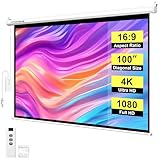
- IMPORTANT: The VIVOHOME motorized projector screen provides a 100-inch display area (87W × 49.2H in, 16:9) for the best viewing experience at 8-10 ft; Its overall…
- LONG-DISTANCE CONTROL: Adjust your screen with a wireless remote (range up to 82 ft/25 m); The remote can be wall-mounted for fixed control; The quiet motor (under…

Related Products to Consider:
- Media Furniture with Lift Mechanisms – hides screens vertically inside furniture
- Projector Screen Casing Kits – turn manual screens into hidden compartments
- Smart Home Automation Hubs – automate screen retraction with voice or app controls
Ceiling-Mounted Screens: The Most Discreet Solution
Hiding a projector screen in the ceiling is one of the most effective and seamless ways to keep your living or entertainment space clean and modern. Whether you choose a recessed or surface-mounted design, this method allows the screen to remain completely out of sight until needed.
How It Works:
Ceiling-mounted projector screens are either motorized or manual. In motorized models, the screen retracts into a hidden ceiling compartment with the press of a button or voice command. Manual versions require you to pull down or roll up the screen by hand, but both disappear when not in use.
Installation Tips:
- Recessed mounts require a cavity or dropped ceiling to house the screen casing.
- Ensure the ceiling structure can support the screen’s weight.
- Use a professional installer for complex in-ceiling wiring or drywall cutting.
- Pair with a ceiling-mounted projector for a fully integrated setup.
Pros:
- Completely hidden when retracted
- Clean, professional look
- Compatible with home automation systems
Cons:
- Requires structural planning or modifications
- Installation can be expensive or labor-intensive
Design Ideas:
- Paint the screen casing to match your ceiling color.
- Add LED trim lights around the mount for an ambient theater effect.
This option is ideal for homeowners seeking a refined aesthetic without sacrificing screen size or picture quality.
Hide Your Screen Behind Furniture or Custom Cabinets
Another clever and stylish way to hide a projector screen is by concealing it behind furniture or inside a custom-built cabinet. This method is perfect for those who want their screen completely out of sight when not in use, especially in multipurpose rooms like living rooms or dens.
How It Works:
In this setup, the projector screen is mounted behind a piece of furniture—such as a console table, entertainment unit, or even inside a cabinet with a pop-up mechanism. When you’re ready to watch, the screen rises automatically or manually, often using a lift system or motorized track.
Installation Ideas:
- Use a motorized lift system inside a custom cabinet that raises the screen vertically.
- Mount the screen on the back of a cabinet or bookshelf and pull it up like a roll blind.
- Position furniture like a sofa or media unit in front of a retractable screen for full camouflage.
Pros:
- Blends seamlessly with your existing interior décor
- Great for multipurpose spaces
- Allows flexible screen placement
Cons:
- May require custom carpentry or retrofitting
- Could block sound systems or obstruct ventilation if poorly planned
Pro Tip:
Coordinate the cabinet finish with your room’s color palette. You can even install smart home-compatible lift mechanisms that raise the screen via Alexa, Google Assistant, or smartphone apps.
This solution is ideal for those who prioritize style and discretion while keeping entertainment functionality intact.
Use Decorative Wall Panels, Curtains, or Artwork
If you want to hide your projector screen in plain sight without complex installation, disguising it with decorative wall panels, curtains, or even oversized artwork is a stylish and renter-friendly solution. This method allows you to maintain your home’s aesthetics while keeping the screen accessible and functional.
How It Works:
You can mount the projector screen behind:
- A pair of curtains that slide open when you want to watch a movie.
- A foldable wall panel that swings or lifts to reveal the screen.
- A large canvas art piece or frame that drops down or lifts up.
These options work well with manual pull-down screens or slim electric models.
Creative Options:
- Hang acoustic fabric curtains that double as sound-absorbing panels.
- Use hinged wooden panels that blend into the wall and open like a cabinet.
- Choose motorized artwork covers for a high-tech solution.
Pros:
- Doubles as decorative wall design
- Easy to update or swap based on interior style
- Cost-effective for DIYers
Cons:
- May not completely hide bulkier screens
- Manual covers require physical access and adjustments
Pro Tip:
Select art or panel colors that blend with the wall for a camouflaged look, or go bold to turn the cover into a focal point when the screen is hidden.
This approach is perfect for homeowners and renters alike who want design flexibility without permanent alterations.
Conceal the Screen in Drop-Down Ceiling Trays or Bulkheads
Using a drop-down ceiling tray or bulkhead is a sleek, built-in solution that lets your projector screen disappear into the ceiling when not in use. This method is often seen in modern home theaters and luxury living spaces, offering both functionality and architectural elegance.
How It Works:
A bulkhead is a lowered section of the ceiling designed to hide mechanical elements—like lighting, wiring, or in this case, a projector screen. A screen is mounted inside the bulkhead or tray and can be deployed via a remote, switch, or smart home system.
Installation Steps:
- Frame a section of the ceiling with drywall or wood to form a bulkhead.
- Install a motorized screen casing inside the cavity.
- Route power and control cables through ceiling conduits.
- Finish with paint or trim that matches your ceiling.
Pros:
- Offers a built-in, architectural finish
- Maintains a clean and uncluttered ceiling appearance
- Ideal for permanent setups and dedicated media rooms
Cons:
- Requires professional planning and construction
- Not ideal for renters or temporary setups
- More expensive than standard mounts
Design Tip:
Integrate LED lighting strips along the edge of the bulkhead to add ambiance and a soft theater-like glow when the screen is in use.
This solution is best suited for those designing or renovating a space with audiovisual integration in mind, as it requires ceiling modification but delivers top-tier concealment results.
Portable Screens That Disappear When Not in Use
If you’re not ready to commit to permanent installation or simply want flexibility, portable projector screens offer an excellent way to hide your screen when it’s not needed. These lightweight, movable options can be stored in closets, under beds, or behind furniture with ease.
How It Works:
Portable screens come in various forms: foldable tripod screens, floor-rising motorized models, or collapsible fabric screens. You set them up when needed and pack them away when done—no drilling, mounting, or wiring required.
Popular Types of Portable Screens:
- Tripod Projector Screens: Classic, easy to assemble, and great for temporary use.
- Floor Rising Screens: Retract into a compact base—perfect for clean design aesthetics.
- Foldable Fabric Screens: Lightweight and ultra-portable; often come with travel bags.
Pros:
- No permanent installation required
- Ideal for renters, small apartments, or multi-use rooms
- Budget-friendly and highly mobile
Cons:
- May lack the sleek aesthetics of built-in solutions
- Takes up closet or storage space when not in use
- Setup and takedown can be repetitive if used frequently
Pro Tip:
Opt for a floor-rising screen like the VIVIDSTORM S Pro for a balance of convenience and style. It retracts silently into a slim base and looks great in any room.
Portable screens are best for users who want cinema-quality visuals without sacrificing flexibility or clutter-free living.
Conclusion
Hiding a projector screen doesn’t have to be complicated—it just requires the right solution for your space and lifestyle. Whether you prefer a sleek ceiling-mounted option, a custom-built cabinet, or a cleverly disguised setup behind artwork or curtains, there are numerous ways to keep your projector screen out of sight without sacrificing function or design.
Each method—from architectural bulkheads to portable screens—offers unique benefits, whether it’s visual minimalism, flexibility, or ease of use. Your choice will depend on whether you prioritize a fixed installation, a renter-friendly solution, or something that blends effortlessly with your décor.
By investing in a smart concealment strategy, you not only enhance your home theater experience but also preserve the aesthetic value of your space. Ready to take the next step? Explore the options discussed above and transform your viewing area into a clean, clutter-free environment.
Frequently Asked Questions About Hiding a Projector Screen
What is the best way to hide a projector screen in the ceiling?
The best method is using a recessed motorized screen, such as the Elite Screens Evanesce B Series. It installs flush within your ceiling and retracts when not in use, leaving no visible hardware. For optimal results, hire a professional to ensure proper alignment, wiring, and safety.
Can I hide a projector screen without making permanent modifications?
Yes! You can use portable floor-rising screens or hide your screen behind curtains, artwork, or furniture. These solutions are renter-friendly and require no structural changes or drilling.
Is it possible to build a DIY cabinet to hide a projector screen?
Absolutely. Many homeowners build custom media cabinets or use existing furniture to house the screen. You can install a motorized lift or a simple manual pull-out mechanism depending on your budget and skills.
Will hiding the screen affect its performance or image quality?
As long as the screen is stored properly and deployed flat during use, hiding it will not affect performance. However, ensure proper ventilation and avoid bending or folding the screen to prevent long-term damage.
What’s the most affordable way to hide a projector screen?
The most cost-effective options include manual pull-down screens hidden behind a decorative curtain, wall-mounted panel, or large canvas art. These require minimal investment and offer effective concealment.
4K Projector with HDR10+: Ultimate Guide to Stunning Home Theater Visuals in 2026
Can You Put HID in Halogen Projectors? (Complete Guide)
Can You Use a Projector Without a Laptop? 5 Easy Alternatives to Try Today
This website is a participant in the Amazon Services LLC Associates Program, an affiliate advertising program designed to provide a means for us to earn fees by linking to Amazon.com and affiliated sites.