This website is a participant in the Amazon Services LLC Associates Program, an affiliate advertising program designed to provide a means for us to earn fees by linking to Amazon.com and affiliated sites.
A bulletin board in nursing education is an effective teaching tool that displays important medical information, nursing procedures, health tips, and educational materials to support student learning. Whether used in a nursing classroom, skills laboratory, clinical training area, or hospital education department, a well-designed bulletin board makes complex nursing concepts easier to understand and remember.
Nursing students must learn a wide range of subjects, including anatomy, patient safety, infection prevention, medication administration, and clinical procedures. Therefore, educational bulletin boards provide an engaging way to reinforce these essential concepts outside traditional lectures.
From colorful anatomy displays to interactive medication safety boards, nursing education bulletin boards can transform ordinary classroom walls into valuable learning resources. They also encourage participation, promote critical thinking, and create a supportive learning environment.
In this article, we explore creative bulletin board ideas for nursing education, practical design tips, educational themes, and useful supplies to help nursing educators create informative and visually appealing displays.
Best for Nursing Education Bulletin Board Displays
Creating an effective bulletin board in nursing education requires materials that make medical information easy to read, visually appealing, and simple to update. The right classroom supplies can help nursing educators organize lessons, display important clinical reminders, and encourage students to participate in learning activities.
Here are three useful products to consider when designing nursing education bulletin boards.
Pacon Fadeless Bulletin Board Paper
Why we recommend it ?
This fade-resistant paper provides an attractive, durable background for nursing education displays, helping educators create organized sections for anatomy lessons, clinical reminders, health topics, and student projects.
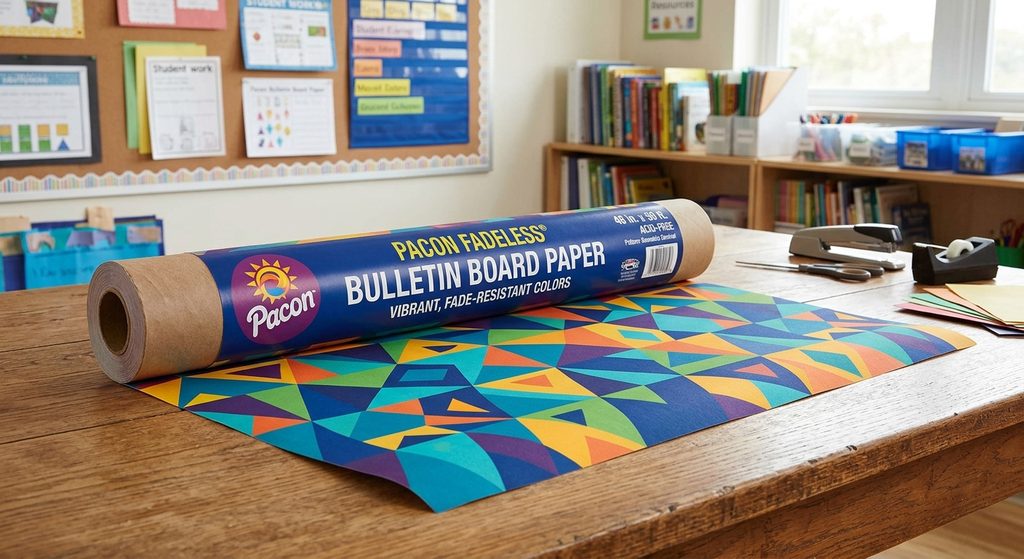
It is available in different colors and can be used to create professional-looking classroom displays. Pacon Corporation+1
TREND Enterprises Casual Ready Letters
Why we recommend it ?
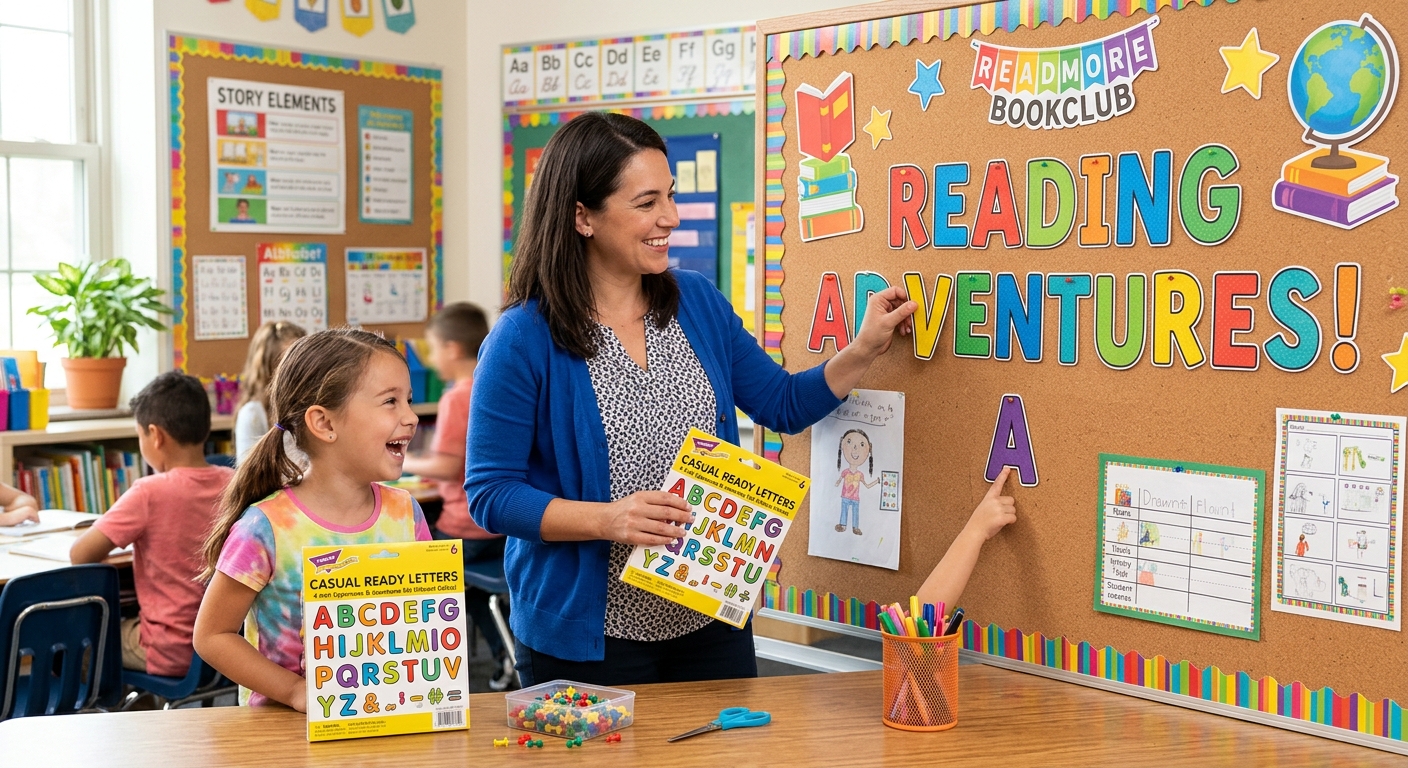
These ready-made letters make bulletin board headings easier to create, helping nursing educators highlight important topics such as patient safety, infection prevention, pharmacology, and clinical skills.
The four-inch lettering provides visible headings that help students identify different educational sections. bgcsd.org
Laminated Anatomy Educational Charts
Why we recommend it ?
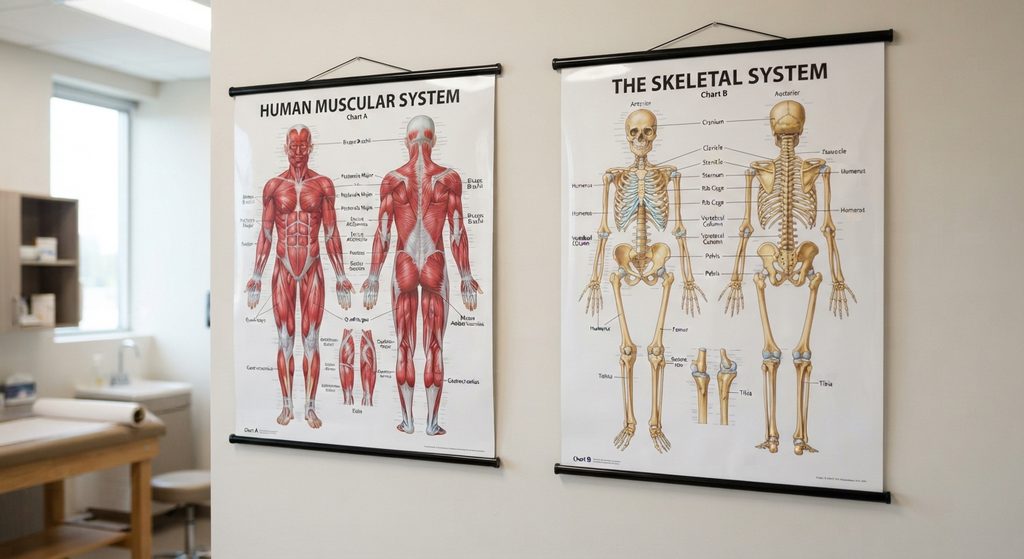
Anatomy charts provide clear visual references for nursing students studying body systems, organs, and physiological structures, making difficult concepts easier to review during classroom discussions and independent learning.
Laminated charts are particularly useful for repeated reference in nursing classrooms and skills laboratories. National School Products+1
Related Products for Nursing Education Bulletin Boards
Consider adding these supplies to make your displays more informative and engaging:
- Scalloped bulletin board borders.
- Colored cardstock and construction paper.
- Medical and anatomy posters.
- Laminating sheets and laminators.
- Push pins and adhesive mounting strips.
- Medical-themed cutouts and stickers.
- Dry-erase pockets for interactive learning activities.
- Nursing procedure flashcards.
- Colorful markers and decorative lettering.
Design tip: Choose a consistent color scheme, use large headings, and avoid overcrowding your board. Keep educational information accurate, readable, and updated. Bulletin boards work best when they communicate one clear theme at a time. Egy
Creative Bulletin Board Ideas for Nursing Education
Creative bulletin board ideas for nursing education can make classrooms more engaging while helping students understand important healthcare concepts. Instead of using bulletin boards only for decoration, nursing educators can turn them into visual learning spaces that reinforce lessons, encourage participation, and promote professional development.
Here are some practical themes to consider.
Anatomy and Human Body Systems Board
Create a colorful display featuring the human body, major organs, and different body systems. Include labeled illustrations of the respiratory, circulatory, digestive, and nervous systems to help students revise anatomy concepts.
Patient Safety Bulletin Board
Use the heading “Patient Safety Starts With Me!” to highlight essential nursing responsibilities. Include reminders about patient identification, fall prevention, proper documentation, and safe medication administration.
Infection Prevention and Control Board
Design an educational display around handwashing, personal protective equipment (PPE), sterilization, and infection prevention. Add illustrated handwashing steps and reminders about proper hygiene practices.
Nursing Skills and Procedures Board
Create sections explaining essential nursing procedures, such as taking vital signs, measuring blood pressure, checking pulse rates, and monitoring respiratory rates. Use diagrams and step-by-step illustrations to support practical learning.
Nursing Motivation and Professionalism Board
Encourage students with inspiring messages such as:
- “Nurses Make a Difference Every Day.”
- “Compassion Is at the Heart of Nursing.”
- “Learn Today, Save Lives Tomorrow.”
- “Every Patient Deserves Quality Care.”
This board can also feature student achievements, clinical placement experiences, and professional nursing values.
Design tip: Make your bulletin board interactive by including question cards, removable flashcards, matching activities, and weekly nursing challenges. This encourages students to engage with the material rather than simply look at it.
Interactive Bulletin Board Activities for Nursing Students
An interactive bulletin board in nursing education encourages students to participate actively in their learning. Rather than displaying information that students only read, interactive boards allow learners to answer questions, solve clinical scenarios, test their knowledge, and review important nursing concepts.
These activities are particularly useful in nursing classrooms, skills laboratories, and clinical training environments where students need opportunities to apply theoretical knowledge.
Here are some engaging activities nursing educators can introduce.
Nursing Question of the Week
Create a section titled “Test Your Nursing Knowledge!” Display a multiple-choice question about anatomy, pharmacology, patient care, or nursing procedures.
Place the correct answer underneath a removable flap or inside an envelope. Students can submit their answers before revealing the solution.
Medical Terminology Matching Game
Use cards featuring common medical terms and their definitions. Students can match words such as hypertension, tachycardia, edema, and hypoglycemia with their correct meanings.
This activity helps nursing students develop familiarity with medical vocabulary.
Case Study Challenge
Present a short fictional patient scenario and ask students to identify possible nursing priorities.
For example, display a scenario involving a patient with a fever and elevated heart rate. Ask students which assessment findings require further investigation.
Medication Safety Challenge
Create removable cards featuring medication administration principles, dosage calculations, and safety questions. Students can test their knowledge of medication rights and safe administration practices.
Always ensure medication examples are educationally accurate and reviewed by qualified nursing instructors.
Anatomy Labeling Activity
Display an illustration of the human body with removable labels. Students can identify organs, muscles, bones, and body systems during revision sessions.
Design tip: Change interactive questions weekly to maintain student interest. Include clear instructions, provide accurate answers, and use fictional patient information to protect privacy.
Essential Topics to Include on a Nursing Education Bulletin Board
A successful bulletin board in nursing education should provide information that supports classroom learning, clinical practice, and professional development. Nursing students study various healthcare subjects, so organizing educational materials into clear sections makes it easier to find important information and revise essential concepts.
The topics selected should reflect students’ learning levels, current course objectives, and practical nursing responsibilities.
Here are important topics to consider when designing your nursing education bulletin board.
Infection Prevention and Control
Display information about hand hygiene, standard precautions, personal protective equipment, and proper waste disposal. Include simple illustrations explaining infection prevention practices and the importance of protecting patients and healthcare workers.
Medication Administration and Pharmacology
Create a dedicated section covering medication safety, dosage calculations, common drug classifications, and administration principles. Use flashcards and educational charts to help students remember important pharmacology concepts.
Vital Signs and Patient Assessment
Include reference information about temperature, pulse, respiratory rate, blood pressure, and oxygen saturation. Explain how nurses measure and document vital signs while emphasizing that normal ranges vary depending on age, clinical circumstances, and individual patient needs.
Emergency Nursing and First Aid
Highlight essential emergency response concepts, including recognizing deterioration, basic life support, emergency communication, and appropriate escalation procedures. Ensure information follows current institutional protocols and recognized clinical guidance.
Nursing Ethics and Professional Responsibilities
Display important nursing values such as confidentiality, accountability, compassion, informed consent, and respect for patient dignity. Short scenarios can help students understand how ethical principles apply in everyday clinical situations.
Career Development and Nursing Opportunities
Include information about nursing specialties, professional development, continuing education, clinical placements, and career pathways. This helps students understand the different opportunities available within the nursing profession.
Design tip: Divide your bulletin board into clearly labeled sections using different colors. Keep important information concise, use readable fonts, and regularly review clinical content to ensure accuracy and relevance.
Tips for Designing an Effective Nursing Education Bulletin Board
Designing an effective nursing education bulletin board requires more than choosing attractive colors and decorative materials. Educators should create displays that communicate important information clearly, support learning objectives, and encourage students to interact with educational content.
Whether you are decorating a nursing classroom, skills laboratory, or healthcare training center, the following tips can help you create a professional and informative display.
Choose a Relevant Nursing Theme
Start with one specific educational topic, such as patient safety, anatomy, infection prevention, or nursing ethics. A focused theme prevents information overload and helps students understand the purpose of the display.
Use Attractive and Professional Colors
Choose colors that make information easy to read. Blue, green, white, and soft pink can create an attractive healthcare-inspired appearance.
Use contrasting colors for headings and important reminders, but avoid combining too many bright shades.
Include Clear Headings and Visuals
Use large lettering for the main title and smaller headings for individual sections. Add relevant anatomy illustrations, medical symbols, diagrams, and educational photographs to make complicated information easier to understand.
Make the Bulletin Board Interactive
Include removable question cards, flashcards, matching games, and weekly quizzes. Interactive features encourage students to participate and reinforce information learned during lectures.
Keep Information Accurate and Updated
Nursing education involves clinical information that must be reliable. Review medical facts, medication information, infection prevention guidelines, and emergency procedures before displaying them.
Use trusted educational resources and current institutional protocols.
Organize Information for Easy Reading
Avoid overcrowding the board with lengthy paragraphs. Use short explanations, bullet points, labeled diagrams, and clearly separated sections.
Design tip: Update your bulletin board regularly to reflect current lessons, seasonal health awareness campaigns, and student achievements. An organized and frequently refreshed display can remain a useful educational resource throughout the academic year.
Conclusion
A bulletin board in nursing education is more than a classroom decoration; it is a valuable teaching resource that supports knowledge retention, clinical awareness, and student participation. From anatomy and patient safety displays to interactive quizzes and nursing motivation themes, educators can use creative bulletin boards to make learning more engaging and accessible.
The best displays combine accurate medical information, attractive visuals, organized layouts, and interactive activities. By regularly updating educational content and choosing relevant nursing themes, instructors can create an environment that encourages curiosity and professional growth.
Whether you are decorating a nursing classroom, skills laboratory, or clinical training area, a thoughtfully designed bulletin board can inspire future nurses while reinforcing essential healthcare knowledge.
Frequently Asked Questions About Bulletin Boards in Nursing Education
What is the purpose of a bulletin board in nursing education?
A bulletin board in nursing education provides visual learning materials that reinforce classroom lessons and clinical knowledge. It helps nursing students review important topics such as anatomy, patient safety, medication administration, infection prevention, and nursing ethics. It can also encourage participation through quizzes, diagrams, and interactive activities.
What are the best nursing bulletin board themes?
Some popular nursing education bulletin board themes include:
- Patient Safety Starts With Me.
- Infection Prevention and Control.
- Anatomy and Human Body Systems.
- Nursing Skills and Procedures.
- Medication Administration Safety.
- Compassionate Care and Nursing Ethics.
- Future Nurses, Future Leaders.
- Emergency Nursing and First Aid.
These themes make educational displays relevant to students’ coursework and clinical experiences.
How can teachers make nursing bulletin boards interactive?
Teachers can include removable flashcards, question-and-answer sections, medical terminology matching games, anatomy labeling activities, and weekly clinical case studies. These activities encourage students to participate, test their knowledge, and apply theoretical concepts to practical nursing situations.
What colors are suitable for nursing education bulletin boards?
Blue, green, white, and soft pink are excellent choices for healthcare-themed bulletin boards. These colors create an organized and welcoming appearance. Educators can also use contrasting colors for headings to improve readability and highlight important information.
What information should be displayed on a nursing classroom bulletin board?
Useful information includes vital signs, infection prevention guidelines, medication safety principles, anatomy diagrams, nursing procedures, professional ethics, and emergency response reminders. All clinical information should be accurate, regularly reviewed, and consistent with current healthcare guidelines.
How often should nursing education bulletin boards be updated?
Ideally, educators should review their displays regularly and update them whenever classroom topics, clinical guidelines, or educational priorities change. Interactive questions can be replaced weekly, while larger educational themes can remain throughout a teaching unit.
Can bulletin boards improve nursing students’ learning?
Yes. Well-designed bulletin boards provide visual reminders, encourage active participation, and offer opportunities for independent revision. They can complement lectures, demonstrations, and clinical practice, although they should not replace structured teaching or supervised skills training.
This website is a participant in the Amazon Services LLC Associates Program, an affiliate advertising program designed to provide a means for us to earn fees by linking to Amazon.com and affiliated sites.