
This website is a participant in the Amazon Services LLC Associates Program, an affiliate advertising program designed to provide a means for us to earn fees by linking to Amazon.com and affiliated sites.
Fabric bulletin boards are display boards covered with decorative fabric instead of traditional paper, offering a durable, reusable, and attractive surface for showcasing announcements, classroom work, photographs, reminders, and creative projects. They are popular in classrooms, offices, craft rooms, and homes because they combine practical functionality with endless decorating possibilities.
Whether you want to refresh a classroom display, create an organized workspace, or add a personalized touch to your home, a fabric-covered bulletin board can be an excellent choice. Unlike paper coverings that may tear, wrinkle, or need frequent replacement, suitable fabrics can maintain their appearance through repeated use.
Choosing the right fabric, backing material, and frame helps create a display that looks professional and lasts longer. From colorful cotton prints to elegant linen textures and felt coverings, there are options for almost every decorating style and budget.
In this guide, you will discover the best materials for fabric bulletin boards, creative decorating ideas, step-by-step DIY instructions, and practical maintenance tips to help you create an attractive and functional display.
Best Products for Creating Fabric Bulletin Boards
The right supplies make it easier to create a fabric bulletin board that looks attractive, holds materials securely, and remains useful over time. Here are three product options worth considering for your project.
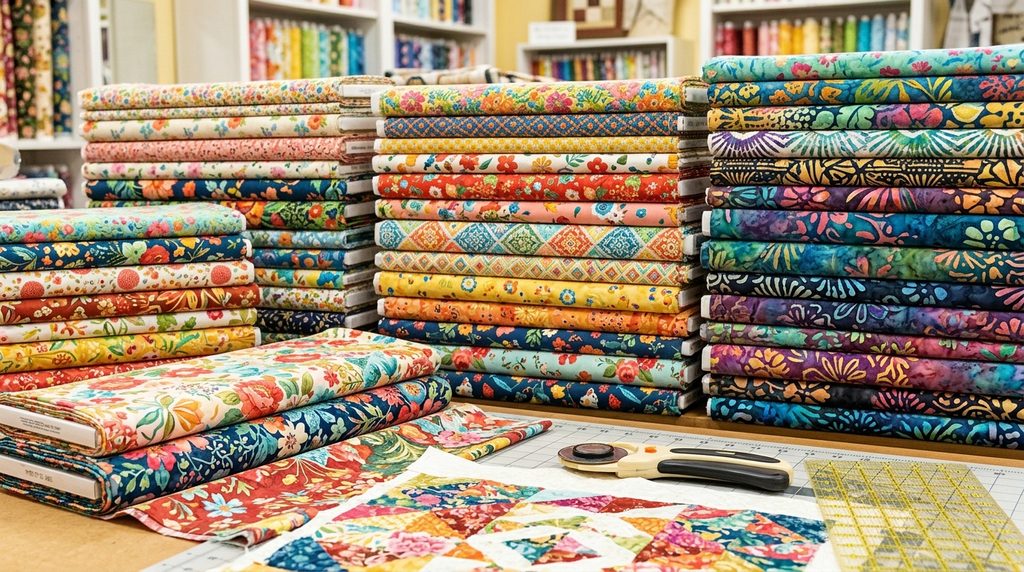
Cotton quilting fabric is ideal for colorful classroom displays, patterned office boards, and personalized home décor. Its wide variety of prints makes it easy to coordinate a board with your room’s theme.
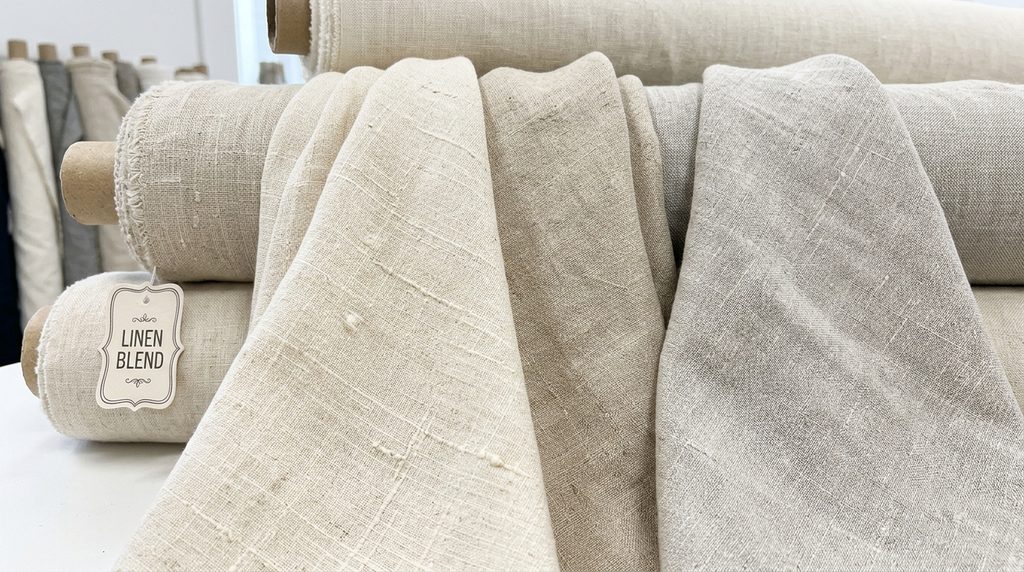
Linen and linen-blend fabrics offer a clean, sophisticated appearance that works beautifully in offices, study areas, and minimalist interiors. Their textured surfaces create an understated backdrop for notes and photographs.
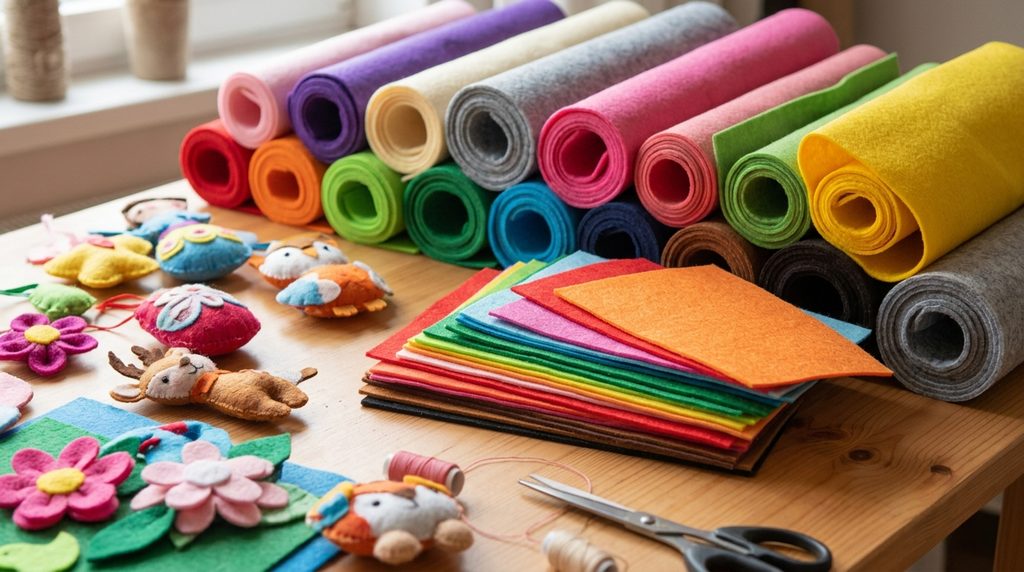
Craft felt is a practical option for colorful educational displays, children’s activity boards, and themed decorations. It is easy to cut into letters, shapes, and borders for customized bulletin board designs.
These are material recommendations rather than a ranked product test. Your best choice depends on the board’s size, intended use, decorating style, and budget.
Why Choose Fabric Bulletin Boards for Classrooms, Offices, and Homes?
Fabric bulletin boards are an excellent choice for anyone who wants a durable, attractive, and reusable display surface. They combine everyday organization with decorative appeal, making them suitable for classrooms, workplaces, study areas, and living spaces.
One of the biggest advantages of fabric bulletin boards is their versatility. You can choose from cotton prints, linen textures, felt, and other suitable materials to complement your existing décor or create a specific theme.
Benefits of Fabric Bulletin Boards
- Long-lasting appearance: Quality fabric can resist everyday wear better than thin paper coverings, especially when properly installed and maintained.
- Reusable display surface: You can pin notices, photographs, student artwork, reminders, and schedules without replacing the entire covering.
- Customizable designs: Different colors, patterns, borders, and textures make it easy to personalize your board.
- Improved organization: Fabric bulletin boards provide a central location for important information, helping reduce clutter on desks and walls.
- Budget-friendly decorating: Covering an existing corkboard with fabric can be an affordable alternative to purchasing a completely new display board.
Where Can You Use Fabric Bulletin Boards?
In classrooms, teachers can display learning objectives, student achievements, vocabulary words, seasonal decorations, and classroom rules. In offices, fabric bulletin boards can organize project deadlines, meeting reminders, team announcements, and schedules.
At home, these boards are useful for family calendars, photographs, shopping lists, children’s artwork, and personal inspiration. A neutral linen covering suits a modern workspace, while bright cotton patterns can make a children’s study corner more inviting.
For the best results, select a fabric that complements the room and allows pins to enter the backing securely. If the board will be used frequently, prioritize durability, easy maintenance, and a suitable pin-compatible backing over appearance alone.
Best Fabrics and Materials for Making a Fabric Bulletin Board
Choosing the right fabric is essential for creating a fabric bulletin board that looks attractive, holds up to frequent use, and complements your space. The best material depends on your decorating preferences, budget, and whether the board will be used for classroom displays, office reminders, or home organization.
Cotton Fabric
Cotton fabric is one of the most versatile options for DIY fabric bulletin boards. It comes in countless colors, prints, and patterns, making it suitable for educational displays, seasonal decorations, and personalized craft projects.
Lightweight cotton is generally easy to cut, stretch, and staple over a corkboard. Choose a tightly woven fabric when possible to achieve a smooth finish and reduce excessive fraying around the edges.
Linen and Linen-Blend Fabric
Linen and linen-blend fabrics are excellent for creating sophisticated bulletin boards in offices, bedrooms, and home study areas. Their natural texture adds visual interest without overwhelming the items displayed on the board.
Neutral shades such as beige, cream, gray, and white work particularly well with minimalist décor. However, some linen fabrics wrinkle easily, so careful stretching during installation is important.
Felt Fabric
Felt is popular for classroom bulletin boards, children’s activity areas, and creative educational displays. It is available in many colors and can be cut into decorative shapes, letters, borders, and themed embellishments.
However, felt thickness and construction vary. Check that the chosen material works with your intended pins and backing before covering the entire board.
Essential Materials for a DIY Project
In addition to fabric, gather these supplies:
- A corkboard or suitable pinboard backing.
- Fabric scissors or a rotary cutter.
- A staple gun and staples, or an appropriate adhesive.
- Measuring tape or a ruler.
- Decorative trim or ribbon for finishing the edges.
- Optional batting for a softer, padded appearance.
Practical tip: Choose fabric that is large enough to cover the board with approximately 2–3 inches of extra material on every side. This allowance makes it easier to wrap the fabric around the edges and secure it neatly at the back.
Before attaching the fabric, smooth out wrinkles and position the pattern carefully. Test your fastening method on a small area first, especially if you are covering foam, painted wood, or another surface that could be damaged by staples or adhesive.
How to Make a Fabric Bulletin Board Step by Step
Making a fabric bulletin board is a straightforward DIY project that allows you to customize your display to match your classroom, office, or home décor. With a suitable board, decorative fabric, and a few basic tools, you can transform an ordinary corkboard into an attractive and reusable display.
Step 1: Gather Your Materials
Prepare a corkboard or compatible pinboard, your chosen fabric, scissors, measuring tape, and a staple gun or suitable adhesive. If you want a softer, padded finish, include a thin layer of batting between the backing and the fabric.
Step 2: Measure and Cut the Fabric
Measure the board’s length and width, then add approximately 2–3 inches to each dimension to allow enough fabric to wrap around the edges.
Lay the fabric flat before cutting to ensure the pattern is straight and positioned correctly. For striped or geometric designs, double-check the alignment to achieve a professional appearance.
Step 3: Position the Fabric
Place the fabric face down on a clean, flat surface and center the board over it. Smooth out wrinkles and ensure the fabric extends evenly beyond every edge.
If you are using batting, position it between the board and the fabric. Avoid adding excessive padding because it may make pins less stable.
Step 4: Secure the Fabric
Pull one side of the fabric gently over the back of the board and secure it with staples or an appropriate adhesive. Repeat on the opposite side, maintaining even tension without stretching the fabric excessively.
Continue with the remaining sides, folding the corners neatly to prevent bulky edges. Keep staples away from the usable front surface and follow the fastening product’s safety instructions.
Step 5: Add Decorative Finishing Touches
Once the fabric is secure, trim excess material and add ribbon, decorative trim, or a frame if desired. You can also attach labels or create a coordinated border to complement the room.
Step 6: Test and Install the Board
Test the board with a few pins to confirm that the fabric and backing work together properly. Then mount it using hardware appropriate for the board’s weight and wall type.
Important tip: If you are using foam board, avoid assuming that a staple gun will work safely or securely. Choose a fastening method compatible with the backing material, and always use suitable wall anchors when needed.
Creative Fabric Bulletin Board Ideas for Classrooms, Offices, and Homes
Fabric bulletin boards offer endless opportunities to combine organization with creativity. By experimenting with fabric colors, patterns, borders, and accessories, you can design a display that suits your space while keeping important information visible and accessible.
Colorful Classroom Fabric Bulletin Boards
Colorful fabric bulletin boards can make classrooms more welcoming and engaging. Choose bright cotton prints, rainbow colors, or themed fabrics to create displays for student achievements, classroom rules, vocabulary words, and seasonal learning activities.
You can also divide the board into sections for different subjects or learning goals. Using coordinated borders and reusable labels helps maintain an organized appearance throughout the school year.
2. Elegant Office Fabric Bulletin Boards

For offices, consider linen, tweed, or neutral cotton fabrics in shades of gray, beige, navy, or cream. These materials create a professional backdrop for meeting schedules, project updates, important reminders, and team announcements.
Use small labels or color-coded pins to distinguish tasks, deadlines, and ongoing projects. A simple frame can further enhance the board’s appearance.
3. Decorative Home Fabric Bulletin Boards


At home, patterned fabric can turn a practical bulletin board into a decorative feature. Floral cotton, textured linen, or soft pastel fabrics work well in bedrooms, kitchens, craft rooms, and study corners.
Use the board to display family photographs, shopping lists, personal goals, appointment reminders, and inspirational quotes. Coordinate the fabric with curtains, cushions, or other accessories for a cohesive look.
Seasonal and Holiday Fabric Bulletin Boards
Create a new display for different seasons or celebrations without rebuilding the entire board. Use themed fabric, removable decorations, and interchangeable paper cutouts to celebrate holidays, school events, or special occasions.
For example, autumn-inspired fabric can complement leaf decorations, while winter-themed colors can create a festive display. Reusing the same board and changing the accessories helps reduce waste and saves time.
Design tip: Choose a fabric pattern that supports the board’s purpose rather than competing with its contents. Subtle prints are often best for text-heavy displays, while bold patterns work well for decorative boards.
How to Maintain, Clean, and Extend the Life of Fabric Bulletin Boards
Proper maintenance helps fabric bulletin boards remain attractive, functional, and ready for everyday use. Whether your board is installed in a busy classroom, a professional office, or a home study area, regular care can prevent dust buildup, fabric damage, and loose edges.
Clean the Fabric Regularly
Dust can accumulate on fabric surfaces, especially in classrooms and frequently used workspaces. Gently brush the surface with a soft brush or use a vacuum cleaner with a suitable upholstery attachment on low suction.
For small marks, test a fabric-safe cleaning method on an inconspicuous area first. Avoid soaking the board, as moisture can damage the backing, loosen adhesives, or encourage mold growth if the board does not dry properly.
Prevent Wrinkles and Loose Edges
Fabric bulletin boards can develop wrinkles if the covering becomes loose or was not secured evenly during installation. Check the corners and edges occasionally to identify areas that may need adjustment.
If the fabric loosens, remove the board from the wall before making repairs. Re-secure it with suitable fasteners or adhesive compatible with the backing, and avoid pulling so tightly that the fabric distorts or tears.
Protect the Board from Fading
Direct sunlight can gradually fade certain fabrics, particularly brightly colored cotton prints. Position your board away from prolonged direct sunlight where practical, especially if it displays photographs, artwork, or important documents.
Choosing colorfast fabric can also help preserve the board’s appearance. Before purchasing fabric for a permanent display, check the manufacturer’s care information and suitability for your intended environment.
Organize Pins and Display Materials
Frequent pinning can leave visible holes or damage delicate fabric. Use suitable pushpins, avoid forcing pins into unsuitable backing, and distribute displayed items across the board instead of repeatedly pinning everything in one small area.
For better organization, consider these simple practices:
- Remove outdated notices and unnecessary papers regularly.
- Use lightweight materials to reduce strain on the board.
- Keep the board away from damp walls and moisture sources.
- Inspect mounting hardware periodically to ensure the board remains secure.
- Replace damaged fabric when cleaning or minor repairs no longer restore its appearance.
Maintenance tip: Fabric bulletin boards do not usually require frequent replacement when the covering and backing are compatible and properly maintained. However, the board’s lifespan depends on material quality, environmental conditions, and how often it is used.
Conclusion: Create a Beautiful and Functional Fabric Bulletin Board
Fabric bulletin boards are a practical and stylish way to organize information, showcase creativity, and enhance classrooms, offices, and homes. By choosing suitable materials such as cotton, linen, or felt, you can create a display that reflects your personal style while supporting everyday organization.
Whether you prefer colorful classroom displays, sophisticated office boards, or decorative home pinboards, the right fabric and backing can make a significant difference. Following simple DIY steps, selecting appropriate fastening methods, and maintaining the surface regularly will help keep your board attractive and functional.
Ready to start your project? Choose a fabric that complements your space, gather your supplies, and transform an ordinary bulletin board into a personalized display. With thoughtful design and proper care, your fabric bulletin board can remain a useful and appealing feature for years.
Frequently Asked Questions About Fabric Bulletin Boards
What is the best fabric for bulletin boards?
Cotton is a popular choice because it is available in numerous colors and patterns and is generally easy to work with. Linen offers a sophisticated appearance, while felt is useful for colorful educational displays and decorative shapes. The best option depends on your budget, design preferences, and intended use.
Can you cover an existing bulletin board with fabric?
Yes. You can cover most existing corkboards with fabric without replacing the entire board. Measure the board, cut the fabric with extra material for wrapping around the edges, and secure it using compatible staples or adhesive.
How much fabric do I need for a bulletin board?
Measure the board’s length and width, then add approximately 2–3 inches to each dimension for wrapping and fastening. Larger boards may require additional fabric if you need to match patterns or cover unusually deep edges.
Can you use pushpins on fabric bulletin boards?
Yes, provided the fabric is installed over a suitable pinboard backing, such as cork. Fabric alone generally cannot hold pushpins securely, so the backing material is essential.
How do you clean a fabric bulletin board?
Remove loose dust with a soft brush or a suitable upholstery attachment on low suction. For stains, test an appropriate fabric cleaner on a hidden area first and avoid excessive moisture that could damage the backing.
Are fabric bulletin boards suitable for classrooms?
Absolutely. Fabric bulletin boards are useful for displaying student artwork, learning materials, classroom rules, announcements, and seasonal decorations. Durable fabric and a secure backing make them practical for frequently updated displays.
How can I make a fabric bulletin board look more attractive?
Choose coordinating colors, add a decorative border, use organized labels, and arrange displayed materials neatly. For text-heavy displays, subtle fabrics can improve readability, while bold patterns are suitable for decorative themes.
This website is a participant in the Amazon Services LLC Associates Program, an affiliate advertising program designed to provide a means for us to earn fees by linking to Amazon.com and affiliated sites.