This website is a participant in the Amazon Services LLC Associates Program, an affiliate advertising program designed to provide a means for us to earn fees by linking to Amazon.com and affiliated sites.
A Meta Quest 3 mesh facial interface can help improve airflow, reduce heat buildup, and make virtual reality sessions more comfortable. If you enjoy extended VR gaming, fitness applications, or mixed-reality experiences, choosing the right facial interface can make a noticeable difference.
The standard Meta Quest 3 facial interface provides a cushioned surface around your face, but some users prefer breathable alternatives that allow more ventilation. Mesh-style and open facial interfaces offer different approaches to improving airflow while maintaining a comfortable headset fit.
In this guide, we’ll explore the best Meta Quest 3 facial interface alternatives, including breathable designs, adjustable replacements, and options with improved ventilation. We’ll also explain what to consider before buying, how these accessories affect comfort, and how to choose an interface that suits your VR activities.
Best for Breathable Meta Quest 3 VR Gaming
Here are three facial interface options worth considering if you’re looking for better ventilation, comfortable padding, and an improved Meta Quest 3 experience.
Globular Cluster F3 V3 Facial Interface
Best for customizable comfort and ventilation.

- [Important Note] Designed exclusively for Meta Quest 3. This interface is NOT compatible with Quest 3S, the Official Charging Dock, or most third-party charging…
- [Adaptive Facial Interface Frame] Soft, flexible material that better adapts to different face shapes. Ensures a comfortable fit for the majority of users. Evenly…
This modular interface offers interchangeable magnetic cushions, multiple padding materials, and adjustable configurations. It is a strong option for users seeking personalized comfort and improved airflow.True North VR.
KIWI Design V3 Facial Interface
Best for breathable everyday VR gaming.
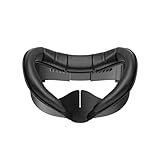
- Ventilated without Letting Light Through – KIWI design V3 facial interface features the unique L-shaped vent interface bracket, providing effective ventilation and…
- Wide and Soft Face Cushion – The face pad is wide enough to wrap around your face. Thick and soft, you can press these down and feel no resistance at all with your…
Its wide cushioning and ventilated construction make it worth considering for everyday gaming. The design balances face contact, airflow, and light blocking without requiring complicated adjustments.Vortex Virtual Reality.
Best for cooling and adjustable viewing distance.

- Compatible with Quest 3 (NOT Compatible with Quest 3S): The F3 facial interface features specially designed foam padding with three ventilation channels in the…
- Ultimate Comfort, Seamless Fit for All Face Shapes: Utilizing a combination of soft silicone and foam padding design, this eliminates the pressure points on…
This replacement features triple-channel ventilation, soft padding, and side adjustment dials. It is particularly interesting for users who prioritize airflow and want flexibility when positioning the headset.
What Is a Meta Quest 3 Mesh Facial Interface and How Does It Work?
A Meta Quest 3 mesh facial interface is a replacement or alternative face-contact component designed to improve ventilation and comfort when wearing a virtual reality headset. It sits between the headset and your face, creating a comfortable contact area while helping manage heat, sweat, and pressure during VR activities.
The standard Meta Quest 3 facial interface uses a cushioned design that surrounds the eyes and nose. However, some replacement interfaces use breathable fabrics, mesh materials, perforated surfaces, or open-frame construction to encourage better airflow.
How does a mesh facial interface work?
A breathable facial interface works by allowing air to circulate around the area between your face and the headset. Depending on its construction, it may offer:
- Improved ventilation: Mesh or perforated materials can help reduce trapped heat during extended VR sessions.
- Sweat management: Breathable fabrics may help manage moisture during active gaming and fitness applications.
- Comfortable cushioning: Soft padding provides a contact surface between your face and the headset.
- Better fit: Some replacement interfaces include adjustable positioning or interchangeable cushions.
It is important to understand that not every ventilated facial interface uses actual mesh material. Some products achieve airflow through strategically positioned ventilation channels instead.
A suitable replacement should also maintain a stable headset fit and prevent excessive light leakage. Before purchasing, check that the product specifically supports the Meta Quest 3 rather than assuming that Quest 2 accessories will fit.
Meta also offers an Open Facial Interface for Quest 3, which takes a different approach by using a more open frame to maximize airflow and improve awareness of your physical surroundings. It is particularly useful for mixed-reality experiences. B&H Photo Video.
What Are the Benefits of Using a Breathable Mesh Facial Interface?
A breathable Meta Quest 3 mesh facial interface can make VR experiences more comfortable by improving ventilation, managing moisture, and providing a more suitable fit. For people who regularly play active VR games, exercise with virtual reality applications, or spend extended periods exploring virtual environments, these features can be particularly valuable.
Here are the main benefits to consider.
Better Airflow and Ventilation
One of the biggest advantages of a mesh facial interface is improved airflow. Traditional padded facial interfaces can trap warm air between the headset and your face, particularly during physically demanding games.
Breathable mesh fabrics and ventilated replacement designs allow more air to circulate around the face-contact area. This can make extended VR sessions feel less stuffy.
Improved Sweat Management
VR fitness games, rhythm games, and active experiences can make your face sweaty. A breathable interface may help reduce moisture accumulation compared with less ventilated materials.
Some replacement interfaces also feature removable cushions, making cleaning and maintenance easier.
Greater Comfort During Extended Gaming
A good facial interface distributes contact pressure around your face. Soft padding and ergonomic designs can help reduce discomfort caused by prolonged headset use.
Look for features such as:
- Soft, skin-friendly cushioning.
- Adjustable facial distance.
- Replaceable padding.
- Even pressure distribution.
Better Hygiene and Easier Maintenance
Facial interfaces regularly come into contact with sweat, skin oils, and dust. Choosing an interface with removable or washable components can make regular cleaning easier.
Always follow the manufacturer’s cleaning instructions, particularly when dealing with mesh fabrics and removable padding.
Improved Mixed-Reality Awareness
Some open facial interfaces allow more peripheral awareness of your surroundings. This can be useful when switching between virtual reality and mixed-reality applications.
However, an open design may allow more external light into your viewing area, so it might not be ideal for everyone.
Important buying consideration: Better ventilation does not automatically mean better comfort. Your facial shape, headset positioning, cushioning material, and personal preferences all influence how an interface feels.
How to Choose the Best Mesh Facial Interface for Meta Quest 3
Choosing the best Meta Quest 3 mesh facial interface requires considering more than just the material. The right replacement should provide comfortable cushioning, adequate ventilation, a secure fit, and compatibility with your headset.
Although many facial interfaces advertise improved airflow, their designs and materials can differ considerably. Here are the most important features to examine before making a purchase.
Check Meta Quest 3 Compatibility
Start by confirming that the facial interface is specifically designed for the Meta Quest 3. Not every Quest accessory is interchangeable, and a replacement designed for the Quest 2 may not fit properly.
Check the manufacturer’s compatibility information before ordering. Also, look for secure attachment points that allow the replacement to sit correctly without interfering with the headset.
Choose Breathable Materials
Material selection directly affects ventilation and everyday comfort.
Consider these options:
- Mesh fabric: Allows air to circulate through the material and may help manage moisture.
- Perforated PU leather: Provides a smooth, cushioned surface with ventilation holes.
- Breathable fabric padding: Offers a softer contact surface and may be suitable for longer sessions.
- Silicone: Provides a wipeable surface that is relatively easy to maintain.
If airflow is your main priority, examine the actual ventilation design rather than relying exclusively on product descriptions.
Look for Adjustable Designs
An adjustable facial interface can help accommodate different facial shapes and preferred headset positions.
Some replacement interfaces offer adjustable facial distances, interchangeable cushions, or multiple positioning options.
These features can help you find a comfortable fit without applying unnecessary pressure around your eyes and cheeks.
Consider Light Blocking and Field of View
Facial interfaces differ in how much outside light they block. A traditional enclosed interface generally provides better light isolation, which can help create a more immersive VR experience.
However, open facial interfaces prioritize airflow and awareness of your surroundings. Meta’s official Open Facial Interface, for example, features wide openings that improve visibility of the physical environment and ventilation. B&H Photo Video+1
Consider your preferred experience:
- Choose an enclosed interface for greater light blocking.
- Choose an open interface for mixed-reality activities.
- Consider adjustable designs if you want flexibility.
Check Cleaning and Maintenance Requirements
A facial interface should be easy to maintain, especially if you regularly share your headset or use it during active gaming sessions.
Look for removable cushions, washable fabric components, and materials that can be wiped clean according to manufacturer instructions.
For example, Meta’s Open Facial Interface has a removable facial pad that can be hand-washed. B&H Photo Video
Buying tip: Before purchasing, confirm compatibility, ventilation design, padding material, adjustability, and cleaning requirements. These features will help you choose an interface that matches your comfort preferences and VR activities.
How to Install, Clean, and Maintain a Meta Quest 3 Facial Interface
Installing and maintaining a Meta Quest 3 mesh facial interface is relatively straightforward. However, proper installation and regular cleaning are important for maintaining comfort, hygiene, and the condition of your VR headset.
Whether you use a breathable replacement interface, fabric cushion, or silicone alternative, follow the manufacturer’s instructions to avoid damaging the attachment clips or padding.
How to Install a Replacement Facial Interface
Most replacement facial interfaces are designed for straightforward installation.
Follow these general steps:
- Turn off your headset: Power down your Meta Quest 3 before replacing the facial interface.
- Remove the original interface: Carefully detach the existing facial interface from the headset without forcing the clips.
- Inspect the replacement: Check that the new interface is designed specifically for Meta Quest 3.
- Align the attachment points: Position the replacement against the headset, ensuring that its clips match the attachment locations.
- Secure the interface: Gently press the replacement into position until it sits firmly against the headset.
- Check the fit: Make sure there are no loose edges, uneven gaps, or uncomfortable pressure points.
After installation, put on the headset and check that it feels secure and comfortable.
How to Clean a Mesh Facial Interface
Regular cleaning helps remove sweat, dust, and accumulated skin oils.
For a typical removable facial interface, use these maintenance practices:
- Wipe away surface debris using a clean microfiber cloth.
- Follow the manufacturer’s instructions for washing removable cushions.
- Use cool water and mild liquid detergent only when the material permits handwashing.
- Rinse away detergent residue where applicable.
- Allow washable components to air-dry completely before reinstalling.
Meta’s device-care guidance recommends gentle cleaning and thorough drying of washable facial components. Avoid alcohol and abrasive cleaning solutions. XRHealth Support+2
Common Maintenance Mistakes to Avoid
Avoid these mistakes when caring for your replacement interface:
- Using harsh chemicals: Strong cleaning products may damage fabrics, coatings, or cushioning.
- Reinstalling damp padding: Moisture trapped against the headset can create hygiene and material problems.
- Forcing attachment clips: Excessive pressure can damage the replacement or headset.
- Ignoring worn padding: Replace damaged or deteriorating cushions when necessary.
- Using excessive water: Keep moisture away from the headset electronics and follow the accessory’s specific cleaning instructions.
Maintenance tip: If multiple people use your Meta Quest 3, clean the facial interface between users. Consider removable, washable facial cushions to make regular maintenance easier
Mesh vs. Foam vs. Silicone Facial Interfaces: Which Is Better?
Choosing between mesh, foam, and silicone facial interfaces for Meta Quest 3 depends on your comfort preferences, ventilation requirements, cleaning habits, and preferred VR activities.
Each material offers different advantages. While mesh prioritizes breathability, foam focuses on cushioning, and silicone offers a convenient surface for cleaning.
Mesh Facial Interfaces
Mesh facial interfaces are designed to encourage airflow through breathable materials or ventilated construction.
Their main advantage is ventilation, which can be useful during active VR gaming and fitness applications.
Advantages:
- Improved airflow through breathable materials.
- Potentially better moisture management.
- Suitable for users who prefer ventilated designs.
- Some models include removable padding.
Disadvantages:
- Mesh quality varies between manufacturers.
- Some fabrics can absorb sweat and require regular washing.
- Open designs may allow additional outside light.
Foam Facial Interfaces
Foam facial interfaces use soft cushioning to create a comfortable contact surface between your face and the headset.
They are commonly found in traditional VR headset designs and replacement accessories.
Advantages:
- Soft cushioning for comfortable headset contact.
- Different thicknesses and densities are available.
- Can help distribute pressure around the face.
- Some versions feature removable covers.
Disadvantages:
- Dense foam may retain heat.
- Some materials absorb sweat.
- Foam can deteriorate with repeated use.
Silicone Facial Interfaces
Silicone facial interfaces provide a smooth, flexible surface that can be convenient to maintain.
They are particularly useful when easy cleaning is a priority.
Advantages:
- Easy-to-wipe surface.
- Generally resistant to absorbing moisture.
- Flexible material that conforms to facial contact areas.
- Convenient for shared-headset hygiene when cleaned properly.
Disadvantages:
- May feel less breathable than fabric.
- Can become slippery when exposed to sweat.
- Comfort depends on thickness and design.
Comparison of Facial Interface Materials
| Feature | Mesh | Foam | Silicone |
|---|---|---|---|
| Airflow | High, depending on design | Varies | Generally lower |
| Cushioning | Varies | Excellent | Moderate |
| Cleaning | Depends on fabric | Can be difficult | Easy |
| Sweat management | Good, depending on fabric | May absorb sweat | Easy to wipe |
| Light blocking | Depends on design | Usually good | Depends on design |
| Best use | Ventilated gaming | Comfortable everyday use | Active gaming and easy cleaning |
Which Facial Interface Should You Choose?
Your ideal choice depends on how you use your Meta Quest 3.
- Choose mesh if ventilation and breathable materials are your main priorities.
- Choose foam if you prefer soft cushioning and a traditional enclosed facial interface.
- Choose silicone if you want a wipeable surface that is convenient to maintain.
Overall, a breathable mesh or ventilated facial interface is worth considering if you frequently experience heat buildup during VR gaming. However, the best option is one that balances ventilation, cushioning, fit, and hygiene.
Conclusion
A Meta Quest 3 mesh facial interface can be a useful upgrade for VR enthusiasts who want better airflow and improved comfort. Breathable materials, adjustable designs, and removable cushions can make extended gaming sessions more convenient.
Before purchasing, check compatibility, ventilation, padding quality, and cleaning requirements. Options such as the Globular Cluster F3 V3, KIWI Design V3, and BOBOVR F3 offer different approaches to comfort and airflow.
Ultimately, the best facial interface depends on your personal preferences and VR activities. Choose a design that provides a secure fit without compromising comfort or headset stability.
Frequently Asked Questions About Meta Quest 3 Mesh Facial Interface
Does Meta Quest 3 have a mesh facial interface?
The standard Meta Quest 3 comes with a fabric-covered facial interface rather than a dedicated mesh replacement. However, third-party manufacturers offer ventilated and breathable alternatives.
Is a mesh facial interface better than the original Quest 3 interface?
A mesh or ventilated replacement may provide better airflow, particularly during active gaming. However, comfort depends on the material, cushioning, and individual facial fit.
Does a breathable facial interface prevent lens fogging?
Improved ventilation can help reduce fogging by allowing warm, moist air to escape. However, it cannot guarantee fog-free lenses because temperature, humidity, and headset positioning also influence condensation.
Can I use a Quest 2 facial interface on Meta Quest 3?
No. Quest 2 and Quest 3 facial interfaces have different attachment designs. Always purchase an accessory specifically advertised as compatible with your headset.
How often should I clean my Meta Quest 3 facial interface?
Clean the facial interface regularly, particularly after sweaty gaming sessions. If multiple people share the headset, clean the contact surface between users.
Is the Meta Quest 3 Open Facial Interface the same as a mesh interface?
No. The Open Facial Interface uses an open-frame design rather than a traditional mesh-covered cushion. It prioritizes airflow and awareness of your surroundings.
Which Meta Quest 3 facial interface is best for fitness games?
Look for a ventilated design with comfortable cushioning and removable, easy-to-clean padding. A secure fit is also important because the headset should remain stable during movement.
This website is a participant in the Amazon Services LLC Associates Program, an affiliate advertising program designed to provide a means for us to earn fees by linking to Amazon.com and affiliated sites.